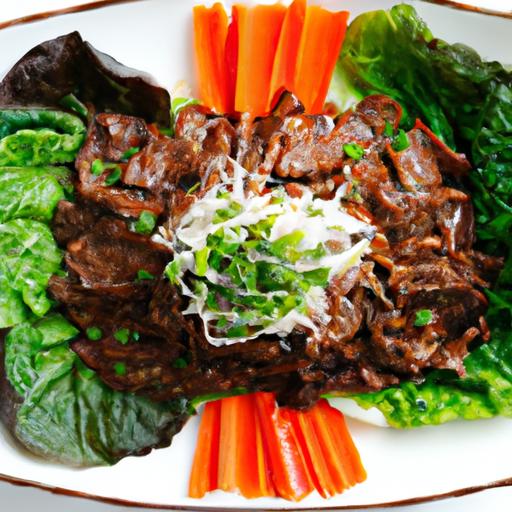

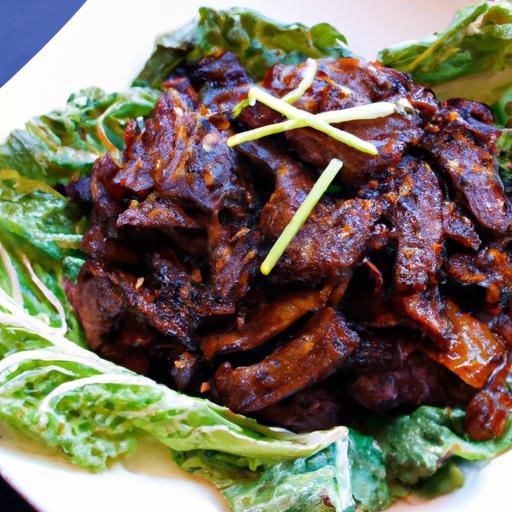
There’s a sizzling magic that fills the air when thin slices of marinated beef meet the fiery embrace of a blazing grill. This is beef bulgogi – Korea’s iconic barbecue masterpiece that marries bold sweetness wiht a smoky edge in every bite. More than just a dish, bulgogi is a culinary tradition that tells a story of rich history, vibrant flavors, and communal joy. In this article, we delve into the savory symphony behind beef bulgogi, exploring its origins, the art of its perfect marinade, and why it continues to captivate taste buds around the world as korea’s beloved fiery sweet BBQ delight.
savoring Beef Bulgogi is an immersive journey into Korea’s iconic fiery sweet BBQ delight. This aromatic dish transforms simple, thinly sliced beef into a luscious tapestry of flavors through the magic of marination. Rooted deeply in Korean tradition, bulgogi’s hallmark balance of sweetness, savoriness, and a subtle spicy kick comes from an intricate marinade that melds soy sauce, garlic, pear, and chili in perfect harmony. Whether it’s your first taste or a beloved classic, mastering the marinade unlocks bulgogi’s true soul and invites you to experience Korean BBQ with every tender bite.
prep and Cook Time
- Preparation Time: 20 minutes
- Marinating Time: 4 hours (minimum) to overnight for optimal flavor
- Cooking Time: 5-8 minutes
Yield
Serves 4 generously with sides
Difficulty Level
Medium - Ideal for cooks ready to balance sweet, spicy, and savory notes
Ingredients
- 1 lb (450g) thinly sliced ribeye or sirloin beef, ideally sliced against the grain
- 1/4 cup soy sauce (preferably Korean soy sauce for authenticity)
- 2 tbsp brown sugar or honey for natural sweetness
- 2 tbsp grated Asian pear (or apple as a substitute) for tenderizing and sweetness
- 1 tbsp toasted sesame oil
- 3 cloves garlic, finely minced
- 1 tsp freshly grated ginger
- 1 tbsp gochujang (Korean chili paste) to introduce that iconic heat
- 1/4 cup finely chopped onion
- 2 green onions, thinly sliced (white and green parts separated)
- 1 tbsp toasted sesame seeds for garnish
- Freshly ground black pepper, to taste
- Optional: 1 tsp rice wine or mirin for subtle acidity
Instructions
- Prepare the Marinade: In a mixing bowl, combine soy sauce, brown sugar, grated Asian pear, sesame oil, minced garlic, grated ginger, and gochujang.Stir until the sugar dissolves and the paste blends smoothly.
- Add the Aromatics: Mix in the chopped onion and the white parts of the green onions.These layers provide sweetness and depth that bloom through marination.
- Marinate the Beef: Toss the thinly sliced beef in the marinade, ensuring every cut is luxuriously coated. cover the bowl with plastic wrap and refrigerate for at least 4 hours, preferably overnight. The enzymes in the pear tenderize the meat while flavor infuses.
- Preheat Cooking surface: if grilling, heat your grill to medium-high. For stovetop cooking, warm a cast-iron skillet or non-stick pan over medium-high heat until almost smoking for a perfect sear.
- Cook the Bulgogi: Add marinated beef in a single layer.Cook for 3-4 minutes without moving to develop caramelization, then flip and cook an additional 2-3 minutes until just cooked through but remain juicy. Avoid overcrowding the pan; cook in batches if necessary.
- Finish with green Onions: Just before removing from heat, toss in the green parts of the green onions and sauté for another 30 seconds for a fresh, vibrant crunch.
- Serve and Garnish: Transfer the bulgogi to a serving plate, sprinkle liberally with toasted sesame seeds, and add a pinch of black pepper. The inviting aroma and charred edges will have everyone ready to dig in.
Tips for Success: Perfecting Your Bulgogi
- Meat Selection: Ribeye or sirloin offer the best marbling and tenderness. For a leaner option, flank steak works well but is best sliced vrey thinly.
- Marinating Time: The longer the beef marinates, the deeper the flavors and tenderness. Overnight is ideal, but a minimum of 4 hours still produces excellent results.
- Sweeteners: Honey adds shine and a floral note; brown sugar delivers rich molasses depth. Adjust sweetness to your preference.
- Gochujang Balance: Adjust according to your spice tolerance. Substitute with a mix of chili flakes and miso if unavailable.
- Cooking Technique: High heat is key to caramelizing the sugars in the marinade-don’t rush this step. Keep the beef moving once seared to avoid burning.
- Make-Ahead: Bulgogi is fantastic for meal prep. Marinate beef and store in an airtight container for up to 24 hours. Cook fresh when ready to enjoy maximum flavor and texture.
Serving Suggestions to Elevate Your Experience
Bulgogi shines as the centerpiece of a Korean BBQ feast. Serve it sizzling hot alongside fluffy steamed white rice or sticky short-grain rice. Fresh lettuce leaves, sliced garlic cloves, and a dab of ssamjang (spicy soybean paste) invites you to create delicious lettuce wraps bursting with flavor and texture.
Complement with classic Korean sides like kimchi, pickled radishes, and stir-fried spinach for a symphony of tastes. A crisp cucumber salad with a light vinaigrette will refresh the palate between bites.
For a drink pairing, chilled Korean rice wine (makgeolli) or a clean, light lager harmonizes superbly with the sweet and spicy notes.
| Nutrient | Amount (per serving) |
|---|---|
| Calories | 320 kcal |
| Protein | 28 g |
| Carbohydrates | 12 g |
| Fat | 15 g |

For those craving a deeper dive into Korean cuisine, do explore our Kimchi 101 guide where we unravel Korea’s celebrated fermented masterpiece, enriching your culinary journey.
Q&A
Q&A: Savoring Beef Bulgogi – Korea’s Fiery Sweet BBQ Delight
Q1: What exactly is Beef Bulgogi?
A1: Beef Bulgogi, literally meaning “fire meat,” is a beloved Korean dish featuring thinly sliced beef marinated in a divine blend of sweet, savory, and slightly spicy flavors. It’s grilled or stir-fried to smoky perfection, delivering a tender, juicy bite that’s both fiery and sweet-a true harmony of taste.
Q2: What makes Bulgogi’s marinade so special?
A2: The magic lies in its carefully balanced marinade, typically crafted from soy sauce, sugar or honey, garlic, sesame oil, and a touch of Korean pear or apple to tenderize the meat naturally. A subtle hint of chili flakes or gochujang (Korean chili paste) can add a gentle kick, creating that signature fiery sweet profile that tantalizes your taste buds.
Q3: How is beef prepared for bulgogi?
A3: The beef is usually sliced ultra-thin, often from tender cuts like sirloin or ribeye, to ensure speedy and even grilling. This thinness allows the marinade to deeply infuse the meat, ensuring every bite bursts with flavor and tenderness that almost melts in your mouth.
Q4: Is bulgogi traditionally grilled over an open flame?
A4: Yes! Traditionally, bulgogi is cooked over a charcoal grill, giving it a subtle smokiness that elevates the taste. But don’t worry if you don’t have a grill at home-pan-frying or broiling works beautifully, too, maintaining that caramelized glaze and juicy texture.
Q5: What sides and accompaniments pair best with bulgogi?
A5: Bulgogi shines brightest when wrapped in fresh lettuce leaves, topped with a dab of ssamjang (a savory Korean dipping sauce), and enjoyed alongside crunchy kimchi, pickled vegetables, steamed rice, and perhaps a refreshing cucumber salad. Each side adds texture and layers of flavor, transforming every meal into a sensory festivity.
Q6: Can bulgogi be adapted for different diets?
A6: Absolutely! While beef is traditional, bulgogi can be made with pork, chicken, or even tofu for vegetarians. The marinade’s balance of sweet and savory is versatile enough that it brightens almost any protein, allowing everyone to experience this Korean BBQ delight.
Q7: Why has bulgogi become a global food phenomenon?
A7: Bulgogi’s irresistible combination of sweet, spicy, and smoky flavors resonates universally-it’s comfort food that excites the palate. Its social, communal style of eating, often wrapped and shared, invites connection and joy, helping Korean cuisine carve a cherished spot worldwide.
Q8: Any tips for making authentic bulgogi at home?
A8: Marinate your beef for at least a few hours or overnight to deepen the flavors. Use fresh ingredients like grated Asian pear and garlic for a true authentic taste. And don’t rush the cooking process; sear the meat hot and fast to get that caramelized edge without drying it out. pair it with classic Korean sides to complete the experience.
Q9: How does bulgogi reflect Korean culture?
A9: Bulgogi embodies Korean culinary beliefs-balance, seasonality, and sharing. It’s more than food; it’s an invitation to gather around the table, celebrate togetherness, and savor the art of harmony between bold flavors and nurturing comfort.
Q10: Where should a newbie start to explore bulgogi?
A10: Start by visiting a local Korean BBQ restaurant where you can experience grilling your own bulgogi. Savor it wrapped in lettuce with ssamjang and kimchi to truly appreciate the dynamic flavor layers. Once inspired, try your hand at the marinade at home-that fiery sweet allure is worth the delicious effort!
Concluding Remarks
As the last tender, caramelized bite of beef bulgogi lingers on the palate, it becomes clear why this fiery sweet BBQ delight has secured its place at the heart of Korean cuisine. Beyond its harmonious blend of smoky, savory, and sugary notes, bulgogi tells a story of tradition, community, and culinary artistry passed down through generations. whether grilled over open flames or sizzled on a stovetop, each morsel invites you to experience Korea’s rich cultural tapestry-one flavorful, fragrant bite at a time. So next time you crave a dish that dances between heat and sweetness, remember: bulgogi isn’t just a meal, it’s an invitation to savor the soul of Korea.