
beneath the bustling streets of Vietnam, where ancient traditions intertwine with vibrant modern life, simmers a culinary treasure that has captivated taste buds around the world: pho.More then just a bowl of noodle soup,pho is a flavorful tapestry woven from fragrant broths,tender meats,and fragrant herbs-a dish that tells the story of a nation’s history,resilience,and soul.In “Pho Unveiled: Vietnam’s Iconic noodle Soup Journey,” we embark on an exploration of this beloved comfort food, tracing its origins, regional variations, and cultural meaning, revealing how pho has transcended borders to become a symbol of Vietnamese identity and a global gastronomic sensation.
Pho Unveiled is more than just a recipe; it’s a window into Vietnam’s soul, where fragrant broths, tender noodles, and fresh herbs come together in perfect harmony. Originating in northern Vietnam in the early 20th century, pho quickly grew from humble street food to a beloved national treasure. This iconic noodle soup carries the stories of generations, the balance of flavors perfected over time, and a cultural ritual that invites you to savor every slurp as locals do.
Prep and cook Time
- Preparation: 20 minutes
- Cooking: 6 hours (slow simmer)
- Total Time: Approximately 6 hours 20 minutes
Yield
Serves 6 generous bowls
Difficulty Level
Medium (requires patience and attention but rewarding)
Crafting the Perfect Broth: Techniques and Ingredients
At the heart of every memorable pho lies the broth – a clear, amber elixir brimming with warmth and depth. The secret is patience.Begin by blanching beef bones to remove impurities,then roasting charred ginger and onions adds smoky complexity. The aromatic bouquet of star anise, cloves, cinnamon, cardamom, and coriander seeds infuses the broth with layers of fragrance. Simmering for hours extracts every nuance of flavor, yielding a broth that’s rich but clean, savory yet fragrant.
- 4 lbs beef marrow and knuckle bones, blanched and rinsed
- 1 large onion, halved and charred
- 1 large piece of ginger, halved and charred
- 5 star anise pods
- 4 cloves
- 2 cinnamon sticks
- 1 tsp coriander seeds
- 1 tbsp rock sugar
- 1/4 cup fish sauce, vietnamese style
- Salt, to taste
- Plain water, enough to cover bones and ingredients
Exploring Regional Variations Across Vietnam
Pho transforms as you journey southward. Northern styles favor simplicity and clear broth, highlighting subtle umami and minimal garnishes-just a squeeze of lime and fresh scallions.In contrast, the southern rendition dazzles with abundant herbs, bean sprouts, chili, and hoisin sauce. Each region embodies distinct expressions of this flagship dish,inviting endless finding for any pho enthusiast.
Essential Tips for Enjoying Pho Like a Local
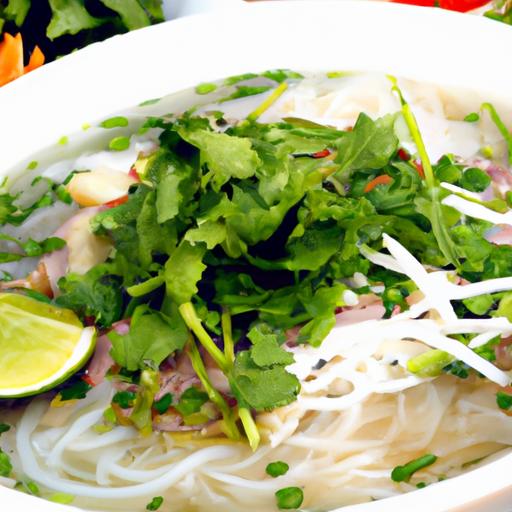
To fully embrace the pho experience,gather your fresh herbs-Thai basil,culantro,and sawtooth coriander-alongside crisp bean sprouts and thinly sliced chili. Add fresh lime juice gradually, tasting as you go to balance brightness with the savory broth. Noodles should be soft yet resilient, absorbing the broth without turning mushy. Sip the broth first, then build layers of flavor with fresh additions for an authentic journey in every bite.
Ingredients
- 1 lb beef brisket,thinly sliced
- 1 lb rice noodles (bánh phở),flat and medium-width
- Fresh Thai basil,1 bunch
- Cilantro sprigs,1 small bunch
- Culantro (ngo gai),optional,finely chopped
- Bean sprouts,2 cups
- Fresh lime wedges,2-3
- Thinly sliced red chili or jalapeño,to taste
- Hoisin sauce,for drizzling
- Sriracha or chili garlic sauce,optional
Instructions
- blanch and clean bones: Place beef bones in a large stockpot,cover with cold water,and bring to a rolling boil. Boil for 10 minutes, then drain and rinse bones thoroughly to remove scum.
- Char aromatics: On an open flame or broiler, char onion and ginger halves until blackened, about 5 minutes, turning occasionally to develop smoky aromas.
- Toast spices: In a dry skillet, toast star anise, cloves, cinnamon, and coriander seeds for 2-3 minutes until fragrant, gently shaking to avoid burning.
- Simmer broth: Return cleaned bones to the pot, add 6 quarts of water, charred onion and ginger, toasted spices (in a spice sachet), rock sugar, and bring to a gentle simmer. Skim any impurities every 30 minutes.
- slow cook: Simmer uncovered for 5 to 6 hours, maintaining a low simmer to extract maximum flavor without clouding broth.
- Season and strain: Remove bones and aromatics, strain broth thru a fine mesh.Add fish sauce and salt to taste. Keep broth hot.
- Prepare noodles and beef: Blanch rice noodles in boiling water until tender, drain.Quickly dip raw brisket slices in boiling broth just before serving to cook.
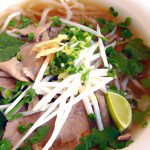
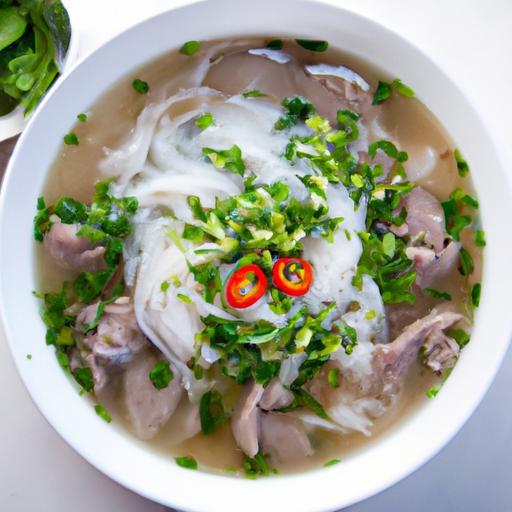
- Assemble bowls: Place noodles in bowl, topped with brisket slices. Pour steaming hot broth over, allowing beef to cook gently. Garnish liberally with herbs, bean sprouts, lime wedges, and chili.
Chef’s Notes
- For richer broth, add oxtail or marrow bones along with knuckle bones.
- Rock sugar balances acidity – substitute with white sugar but adjust to taste.
- If you prefer a vegetarian version, replace beef bones with charred mushrooms and vegetable stock (try our vegetarian broth recipe).
- Broth can be made ahead and refrigerated for up to 3 days; skim fat off before reheating for a cleaner finish.
- Don’t rush the simmering process – it’s key to unlocking authentic pho flavor.
Serving Suggestions
Present pho in wide, deep bowls to showcase the steaming broth and delicate noodles. Offer a platter of fresh herbs, sprouts, lime wedges, and chilies so guests customize their bowl. Drizzle hoisin and Sriracha sparingly to brighten and add heat. Enjoy pho traditionally with a side of jasmine tea or Vietnamese iced coffee for the full cultural embrace.

| Nutrient | Per Serving |
|---|---|
| Calories | 410 kcal |
| Protein | 35 g |
| Carbohydrates | 45 g |
| Fat | 8 g |
Discover more Vietnamese culinary treasures like Bánh Mì. for deeper cultural context and history on pho, visit Britannica’s pho entry.
Q&A
Q&A: Pho Unveiled - Vietnam’s Iconic Noodle Soup Journey
Q1: What exactly is Pho,and why has it become Vietnam’s culinary symbol?
A1: Pho is a fragrant Vietnamese noodle soup that marries silky rice noodles,tender slices of meat (frequently enough beef or chicken),and a clear,aromatic broth simmered for hours with spices like star anise,cinnamon,and cloves. Beyond its savory charm, Pho embodies Vietnamese history, culture, and resilience-a tasty narrative served in a bowl that has captured hearts worldwide.
Q2: How did Pho originate, and what historical forces shaped its growth?
A2: Pho’s roots trace back to early 20th-century northern Vietnam, influenced by French colonial culinary techniques alongside Chinese seasoning traditions. it began as an affordable street food for laborers but quickly evolved into a beloved meal reflecting Vietnam’s diverse regional tastes and social changes, including adaptations during turbulent wars and subsequent diasporas.
Q3: What distinguishes Northern Pho from its Southern counterpart?
A3: The North favors simplicity and purity: clear broth, minimal garnishes, and a focus on the broth’s nuanced depth. Southern Pho is a vibrant celebration, bursting with herbs like Thai basil, bean sprouts, lime, and peppers-transforming each bowl into a customizable flavor adventure. The regional differences mirror Vietnam’s rich cultural mosaic.
Q4: Why is the broth considered the soul of pho?
A4: The broth is Pho’s heartbeat, meticulously crafted by simmering beef bones and aromatics for hours, coaxing out layers of umami and fragrant spices that dance delicately on the palate. This slow-cooked elixir transforms humble ingredients into an unusual sensory experience-warm, comforting, and deeply satisfying.
Q5: Are ther modern twists or variations of Pho emerging today?
A5: Absolutely! Contemporary chefs experiment by infusing Pho with global influences-think pho-inspired ramen, vegan broths packed with mushrooms and spices, or creative presentations that blend tradition with innovation. Yet, the essence remains: honoring Pho’s rich heritage while inviting new flavor dialogues.Q6: what cultural significance does Pho hold in Vietnam today?
A6: Pho is more than food-it’s a daily ritual, a social connector, and a living tradition passed through generations. Morning markets buzz with Pho vendors, families gather over steaming bowls, and even abroad, Pho serves as a delicious link to Vietnamese identity. It’s comfort, celebration, and history all simmering together.
Q7: How can someone best experience authentic Pho outside Vietnam?
A7: Seek out places where Pho is made with care-broth simmered over hours, fresh herbs, and proper accompaniments. Approach it as an interactive meal: add herbs, squeeze lime, taste the broth first. This mindful tasting unlocks the layers of Pho’s magic. And remember, every bowl tells a story-savor it slowly.
pho is more than a dish-it’s a journey across time and culture, a soulful sip of Vietnam’s essence.Next time you lift your chopsticks, no you’re partaking in an extraordinary narrative unfolding with every fragrant mouthful.
In Conclusion
As we slurp the last fragrant spoonful and let the rich broth linger on our tongues, Pho reveals itself as more than just a noodle soup-it is a living tapestry of Vietnam’s history, culture, and communal spirit. From humble street stalls to gourmet tables, Pho’s journey mirrors the resilience and vibrancy of a nation that has embraced change while honoring tradition.so next time you find yourself wrapped in the aromatic embrace of a steaming bowl, remember: you’re not just savoring a meal, but partaking in a story that has been simmering for centuries, one delicious bite at a time.