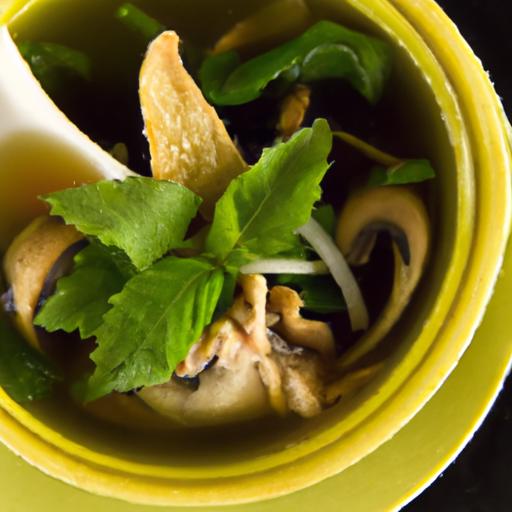

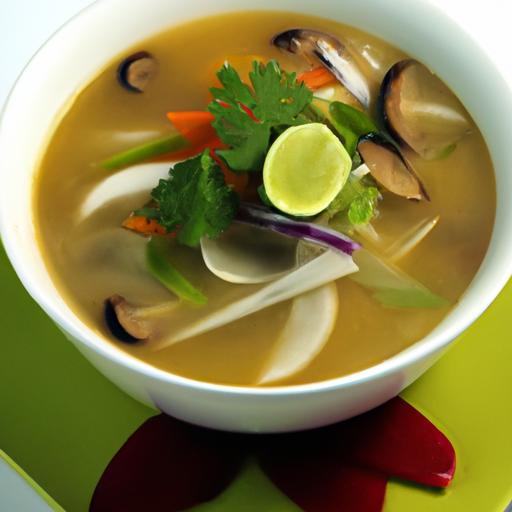
steaming bowls of vibrant broths,fragrant spices dancing in the air,and a tapestry of flavors that tell stories of ancient traditions-soups in Southeast Asia are much more than just a meal. They are liquid journeys that capture the essence of bustling street markets, lush tropical landscapes, and cultural heritage simmered too perfection.From the tangy zing of Thailand’s Tom yum to the comforting warmth of Vietnam’s Pho, each spoonful invites you to explore the region’s rich culinary tapestry. join us as we embark on a flavorful adventure through Southeast Asia’s soups,uncovering the ingredients,history,and unique tastes that make these dishes beloved staples across the peninsula.
Savoring southeast Asia’s aromatic broths reveals an exhilarating palette of flavors simmered down to their purest essence. These vibrant soups are not just meals but immersive experiences, where fragrant herbs and bold spices wrap the senses in a warm embrace. From the bustling street stalls of Bangkok to the refined kitchens of Singapore, each bowl tells a story of culture, tradition, and culinary mastery that invites you to taste a region alive with history and heart.
Prep and Cook Time
- Readiness: 20 minutes
- cooking: 40 minutes
- Total Time: 1 hour
Yield
Serves 4 generous bowls
Difficulty Level
Medium – Perfect for adventurous beginners ready to master complex flavors
Ingredients
- 1 tablespoon coconut oil (or vegetable oil)
- 4 cups chicken or vegetable broth, preferably homemade or low-sodium
- 2 stalks lemongrass, bruised and sliced
- 4 kaffir lime leaves, torn
- 3 thin slices galangal (substitute with fresh ginger if unavailable)
- 3 bird’s eye chilies, bruised (adjust for desired heat)
- 3 cloves garlic, finely minced
- 1 small white onion, thinly sliced
- 200g firm tofu, cubed
- 100g shiitake mushrooms, sliced
- 150g rice noodles, soaked or cooked according to package instructions
- 2 tablespoons fish sauce
- 1 tablespoon tamarind paste
- 1 teaspoon palm sugar (or brown sugar)
- Fresh herbs for garnish: coriander leaves, Thai basil, and finely sliced spring onions
- 1 lime, cut into wedges
Instructions
- Prepare the aromatic base: In a large pot, heat coconut oil over medium heat. Add minced garlic and sliced onion; sauté until fragrant and translucent, about 3 minutes.
- Infuse flavors: Add bruised lemongrass, kaffir lime leaves, galangal, and bird’s eye chilies to the pot. Stir gently and let the aromatics toast for 2 minutes to release their oils.
- Build the broth: Pour in the chicken or vegetable broth, stirring to combine. bring to a simmer,then reduce heat and let it gently bubble for 20 minutes to extract maximum flavor.
- Add mushrooms and tofu: Introduce shiitake mushrooms and tofu cubes to the simmering broth. Cook for another 10 minutes until mushrooms soften and tofu is heated through.
- Balance the flavors: Stir in fish sauce, tamarind paste, and palm sugar. Taste and adjust seasoning as needed-this harmony of salty, sour, sweet, and spicy is the soul of the soup.
- Prepare noodles: While the broth simmers, soak or cook rice noodles according to package instructions. Drain and set aside.
- Serve elegantly: Place a portion of noodles in each bowl, ladle the hot broth generously over them, ensuring tofu and mushrooms are distributed evenly.
- Garnish: Top with fresh coriander, Thai basil, and spring onions. Offer lime wedges on the side to brighten flavors just before eating.
Chef’s Notes
- To deepen the broth complexity, roast lemongrass and galangal lightly before adding to the pot.
- For a vegan version, swap fish sauce with soy sauce or salted fermented soybean paste.
- If you prefer less heat, remove bird’s eye chilies or serve them on the side.
- This broth freezes beautifully-store in airtight containers for up to 2 weeks.
- Try adding seasonal vegetables like baby corn, carrots, or bok choy for extra texture and color.
Serving Suggestions
This soup shines when enjoyed fresh and hot, ideally complemented by a side of refreshing Southeast Asian salads or crispy spring rolls for contrasting textures. Use a deep, wide bowl to showcase the vibrant colors, and encourage guests to squeeze fresh lime juice to taste, unlocking the broth’s layered freshness.
| Nutrient | Per Serving |
|---|---|
| Calories | 210 |
| Protein | 12g |
| Carbohydrates | 24g |
| Fat | 6g |

Delving into this fragrant broth awakens a passion for authentic Southeast Asian cooking. Each spoonful connects you to a land bursting with culinary treasures waiting to be savored. let your kitchen smell like a bustling market street and your soul be warmed by tradition and bold flavor in every bowl.
For more inspiration,explore this detailed guide on Southeast Asian soups from Serious Eats, a trusted culinary resource.
Q&A
Q&A: Savoring Southeast Asia – A Flavorful Journey Through Soups
Q1: What makes Southeast Asian soups uniquely flavorful compared to other regional cuisines?
A1: Southeast Asian soups are a vibrant tapestry of bold flavors, balancing sour, sweet, salty, and spicy elements in harmonious layers. The masterful use of fresh herbs like lemongrass, kaffir lime leaves, galangal, and lime juice creates a refreshing brightness, while ingredients such as coconut milk add creamy richness. This interplay of aromatic spices, fresh produce, and regional techniques crafts soups that are both comforting and exhilarating to the palate.
Q2: Which soups are considered iconic within Southeast Asia, and what regions do they come from?
A2: southeast asia treasures a variety of signature soups, each telling a story of its cultural roots. Thailand’s “Tom Yum” is famed for its hot and sour profile with fragrant herbs and chili. Vietnam offers “Pho,” a fragrant noodle soup simmered with star anise and cinnamon, often accompanied by fresh herbs and lime. Indonesia’s “Soto” showcases a rich broth with turmeric and galangal, while Malaysia’s “Laksa” delivers a spicy, coconut-infused noodle soup experience. Each soup reflects local ingredients and centuries-old culinary traditions.
Q3: How do the ingredients in Southeast Asian soups reflect the geography and climate of the region?
A3: The tropical climate of southeast Asia gifts an abundance of fresh herbs, spices, and seafood, which are fundamental to the region’s soups. Coastal areas contribute a bounty of fish, shrimp, and shellfish, while tropical fruits and vegetables grow plentifully inland. The use of chili peppers, tamarind, and fresh lime juice mirrors the desire for refreshing yet warming dishes that suit humid weather, offering both nourishment and balance in every spoonful.
Q4: Can you describe how Southeast Asian soups balance flavors to create depth and complexity?
A4: Southeast Asian soups skillfully play with contrasting flavors-heat from chilies, sourness from tamarind or lime, sweetness from coconut milk or palm sugar, and saltiness from fish sauce or soy. The layering begins with a fragrant broth base, infused with aromatics like garlic and shallots.Fresh herbs are added last, preserving their brightness, while the thoughtful combination of spices adds warmth without overpowering.The result is a soup that awakens every taste bud and invites repeat tasting.
Q5: What are some popular vegetarian or seafood-based soup options without the use of pork?
A5: Southeast Asia offers a treasure trove of vegetarian-kind and seafood soups. Thailand’s “Tom Kha” soup features coconut milk, galangal, mushrooms, and fresh herbs with a gentle heat. Vietnamese “Chay Pho” is a vegetarian take on the classic noodle soup, emphasizing tofu and vegetable broth. indonesian “Sayur Asem” showcases tangy tamarind vegetable soup, while Malaysian seafood laksa highlights shrimp, fish, and noodles in a creamy, spicy broth. These options emphasize fresh, plant-based or ocean-derived flavors without compromising on depth.
Q6: How can home cooks recreate the authentic flavors of Southeast Asian soups in their kitchens?
A6: To recreate authentic Southeast Asian soups at home,sourcing key ingredients such as lemongrass,kaffir lime leaves,galangal,fish sauce (or soy sauce for vegetarian versions),and fresh chilies is essential. Using fresh herbs like cilantro and Thai basil brings vibrant aroma and flavor. Preparing broths with care-slow simmering bones, seafood, or vegetables-and balancing acid, sweetness, salt, and heat in small increments ensures complexity. Don’t shy away from layering flavors or garnishing generously; these touches bring the soup alive.
Q7: What cultural meaning do soups hold in Southeast Asian communities?
A7: Soups in Southeast Asia transcend nourishment; they often symbolize hospitality, party, and comfort. Sharing a pot of simmering soup is a communal act, bringing families and friends together. Many recipes are passed down through generations, carrying stories and cultural identity. whether served during festivals, healing rituals, or daily meals, soups embody warmth both literally and metaphorically, reflecting the heart of Southeast Asian hospitality.
Q8: Are there any unique cooking techniques specific to southeast Asian soups worth noting?
A8: Yes, Southeast Asian soups often incorporate techniques such as “pounding” spices in a mortar and pestle to release intense aromatics, slow-simmering broths over hours to build depth, and layering fresh herbs at the final moment to retain brightness. Some soups use grilled or roasted ingredients to add smoky complexity, while others introduce souring agents like tamarind or lime juice at the end to brighten flavors. These methods combine tradition with sensory artistry, making each bowl of soup a crafted experience.
Q9: How do street food scenes in Southeast Asia showcase the importance of soups?
A9: In bustling street markets across Southeast Asia, soup stalls are frequently enough the heart of culinary life.Vendors serve steaming bowls of noodle soups, curried broths, or spicy seafood creations at all hours, offering accessible nourishment that is quick yet deeply flavorful. These soups represent daily sustenance and local creativity, with recipes refined through customer feedback and regional twists-making street soups an authentic taste of lived culture.
Q10: What role do fresh herbs play in enhancing the flavor and aroma of southeast Asian soups?
A10: Fresh herbs are indispensable in Southeast Asian soups, imparting vivid color, bright aroma, and refreshing taste. Cilantro, Thai basil, mint, and sawtooth coriander are added freshly at the end to awaken the soup’s character, balancing richness with herbal crispness. Their essential oils complement spices and acids, elevating each sip to a multi-dimensional sensory journey.These herbs are often grown locally, highlighting the farm-to-table nature intrinsic to Southeast Asian cooking traditions.
The Way Forward
As our flavorful journey through Southeast Asia’s vibrant soups draws to a close, we’re reminded that each bowl is more than just a meal-it’s a story steeped in tradition, culture, and community. From the fragrant broths of Vietnam’s pho to the spicy depths of Thailand’s tom yum, these soups invite us to savor not only their rich tastes but also the diverse heritage they represent. Whether you’re a seasoned foodie or an adventurous newcomer, exploring Southeast Asia’s soups offers a flavorful passport to understanding a region where flavor and history are inseparable. So the next time you tuck into a steaming bowl, remember-you’re tasting centuries of culinary artistry, one spoonful at a time.