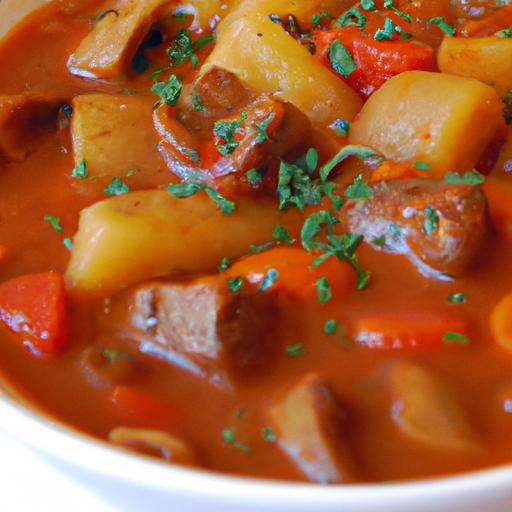

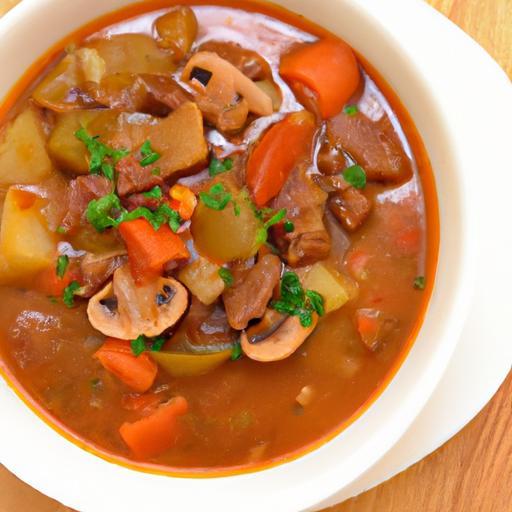
There’s something undeniably comforting about a steaming bowl of rustic European goulash-a dish that has simmered through centuries, carrying with it the rich heritage and hearty flavors of rural kitchens across the continent. More than just a stew, goulash is a culinary journey that invites you to experience warmth, history, and tradition in every bite. From the rolling plains of Hungary to the cozy hearths of austria and beyond,this beloved dish captures the essence of simple ingredients transformed by patience and passion. Join us as we delve into the origins, variations, and timeless appeal of rustic European goulash-a true celebration of soul-satisfying tradition.
Rustic European Goulash stands as a culinary emblem of hearty comfort,weaving together centuries-old traditions that echo through Eastern and central Europe’s countryside kitchens. Rooted deeply in Hungarian heritage yet embraced across borders-from Slovakia to Austria-this soul-warming stew captures the essence of rural life: simple ingredients slow-cooked to yield a rich, robust symphony of flavors. My own introduction to goulash was during a chilly autumn visit to a family farmhouse, where a steaming pot simmered over the hearth, filling the air with smoky paprika and tender beef aromas that promised solace with every bite.
Prep and Cook Time
- Planning: 25 minutes
- Cooking: 2 hours 15 minutes
- Total Time: 2 hours 40 minutes
Yield
Serves 6 generous portions
Difficulty Level
Medium – Ideal for cooks comfortable with slow-simmering stews and layering spices for maximum depth.
Key Ingredients That define Authentic Flavors of Rustic European Goulash
- 2 lbs beef chuck,cut into 1-inch cubes – the backbone for tender,melt-in-your-mouth texture
- 2 large onions,finely chopped – building sweetness and body
- 3 tablespoons Hungarian sweet paprika – the indispensable spice giving goulash its vivid color and signature warmth
- 3 cloves garlic,minced – bright,aromatic undertones
- 2 tablespoons tomato paste – adding subtle umami depth
- 4 cups beef broth – rich liquid base for slow simmering
- 2 medium carrots,diced – for gentle sweetness and texture contrast
- 1 green bell pepper,chopped – lending a grassy freshness
- 1 teaspoon caraway seeds – conventional aromatic touch that enhances earthiness
- Salt and freshly ground black pepper – to taste,balancing all flavors
- 2 tablespoons vegetable oil – for browning the beef and onions
- Optional: 1 tablespoon smoked paprika – for a smoky twist (use sparingly)
Step-by-Step Preparation for a Rich and Hearty Goulash
- Heat the oil in a heavy-bottomed pot over medium heat. Add the chopped onions and sauté until golden and translucent, about 8 minutes, stirring often to avoid burning, which can introduce bitterness.
- Toss in the minced garlic and cook for 1 minute until fragrant.
- Add the beef cubes in batches, allowing them to brown evenly on all sides, approximately 6-8 minutes per batch. Browning develops the stew’s complex flavor, so resist crowding the pot.
- Return all beef and onions to the pot. Sprinkle the sweet paprika and caraway seeds over the mixture.Stir thoroughly to coat every piece,cooking the spices gently for 2 minutes to release their oils-this is key to unlocking authentic Rustic European Goulash taste.
- Mix in the tomato paste and stir well, then pour in the beef broth, scraping the pot’s bottom to lift up those treasured browned bits.
- Add carrots and green bell pepper,season with salt and pepper.
- Bring to a gentle boil, then reduce heat to low and cover the pot. Let it simmer slowly for 2 hours or until the beef is irresistibly tender and the sauce thickens into a luscious gravy. Stir occasionally, adding a splash of water or broth if it reduces too much.
- Before serving, taste and adjust seasoning. If you prefer a thicker sauce, remove the lid in the final 15 minutes to allow excess liquid to evaporate.
Expert Tips for Serving and Pairing Your Goulash Meal
The beauty of Rustic European Goulash lies not just in the dish itself but in how you present it. Serve steaming hot in rustic bowls to emphasize its farmhouse roots. Garnish with a sprinkle of chopped fresh parsley or a dollop of tangy sour cream to add a fresh, creamy contrast to the smoky paprika base.
This stew is tremendously versatile with traditional European sides. Try spooning it over buttery spaetzle or alongside creamy mashed potatoes to soak up every precious drop of the sauce. For a lighter touch, buttered egg noodles or crusty rye bread create marvelous accompaniments.
On the beverage front, pair with a robust red such as a Cabernet Sauvignon or a malty dark beer to complement the deep, earthy flavors. For non-alcoholic options, a spiced black tea with lemon creates a warming counterpoint.
Chef’s Notes and Tips for Success
- Ingredient adaptations: Substitute beef chuck with venison or lean lamb shoulder to explore variations with bold flavors yet avoid pork or pork-based products.
- Make Ahead: Goulash deepens in flavor overnight-prepare a day ahead and gently reheat for an even richer experience.
- balancing spice: If the paprika’s smoky intensity overwhelms, add a teaspoon of sugar or a splash of natural apple cider vinegar to brighten the stew.
- Thickening: If you prefer a thicker sauce but want to avoid flour, mash some of the cooked carrots into the sauce during the last 20 minutes of cooking.
- Slow Cooker option: After browning the meat and sautéing onions, transfer everything to a slow cooker set on low for 6-8 hours for effortless, hands-off cooking.
| Nutritional Info (per serving) | Calories | Protein | Carbohydrates | Fat |
|---|---|---|---|---|
| Rustic European goulash | 380 | 38g | 12g | 15g |

Q&A
Q&A: Rustic European Goulash: A Hearty Taste of Tradition
Q1: What exactly is rustic European goulash?
A1: Rustic European goulash is a traditional, comforting stew originating from Central and eastern Europe, especially Hungary. It’s a hearty, slow-cooked dish featuring tender chunks of beef, a rich paprika-infused broth, and a medley of vegetables. Its rustic charm lies in its simplicity and deep, warm flavors-an embodiment of old-world cooking passed down through generations.
Q2: What makes goulash so special compared to other stews?
A2: What sets goulash apart is its distinct use of paprika, the signature spice that gives the stew its vibrant, smoky-red hue and a unique warmth. Unlike heavier stews, goulash balances robust meatiness with aromatic spices and a slightly tangy tomato base, making it both hearty and deeply flavorful without being overwhelming.
Q3: Which meats work best in rustic goulash?
A3: Traditionally, beef is the cornerstone of a classic goulash. Cuts like chuck or brisket are ideal as they become tender and luscious when simmered slowly. Veal can also be used for a lighter variation, while game meats like venison introduce an earthy depth that enhances the rustic feel.
Q4: What role do vegetables play in this dish?
A4: Vegetables add both texture and complexity. Onions provide a sweet base when caramelized, while bell peppers and tomatoes introduce brightness and a touch of acidity. Potatoes or root vegetables like carrots and parsnips soak up the flavors and make the stew even more considerable-perfect for cold days.
Q5: how crucial is paprika, and can you use different types?
A5: Paprika is the soul of goulash. Using high-quality Hungarian paprika – either sweet (kalocsa) or smoky (szeged) – profoundly influences the stew’s flavor profile. A blend of sweet and smoky paprika can create a balanced symphony of spice,while mild paprika keeps it gentle and comforting.
Q6: Is rustic goulash suitable for a slow cooker or instant pot?
A6: Absolutely! Rustic goulash benefits from slow, steady heat.A slow cooker gently melds flavors over several hours, enhancing the tender texture. The instant pot offers a quicker alternative,capturing much of the same richness in a fraction of the time.Both methods are modern allies in preserving tradition with convenience.Q7: What traditional sides complement rustic goulash?
A7: Rustic goulash pairs beautifully with creamy mashed potatoes, buttered egg noodles, or hearty bread to soak up the luscious sauce. In some regions, it’s served with spaetzle or simple boiled potatoes, emphasizing the meal’s humble origins without overshadowing the stew’s flavor.
Q8: Can goulash be adapted for vegetarians without losing its essence?
A8: While authentic goulash centers on meat, a vegetarian version can capture its spirit by using smoked paprika, mushrooms, and root vegetables as the base. Lentils or hearty beans add protein and texture, creating a satisfying stew that honors the original’s warmth and depth without the meat.
Q9: What is the ancient significance of goulash in European culture?
A9: Goulash began as a humble shepherd’s dish in the Hungarian plains, designed to be cooked over an open fire with scarce ingredients. It evolved into a national treasure symbolizing comfort, community, and resilience. Sharing goulash around the table is a timeless celebration of heritage and togetherness.
Q10: any tips for perfecting rustic European goulash at home?
A10: Patience is key-allow the meat to simmer gently until fork-tender.Don’t rush the caramelization of onions; it builds foundational sweetness. Use fresh paprika and adjust seasoning gradually. Lastly, let the goulash rest for a bit after cooking; the flavors deepen, rewarding your time with a truly soul-satisfying meal.
In Summary
As the rich aroma of paprika and tender beef lingers in the air, Rustic European Goulash reminds us that food is more than sustenance-it is a bridge to history, culture, and community. This hearty dish, steeped in tradition and rustic charm, invites us to slow down and savor the simple joys of a meal crafted with care and time-honored techniques. Whether enjoyed by a roaring hearth in a mountain village or recreated in the warmth of your own kitchen, goulash carries with it the spirit of Europe’s pastoral roots and the comfort of home-cooked authenticity. So next time you seek a taste that warms both body and soul, remember that a humble pot of goulash holds the key to a truly timeless culinary experience.