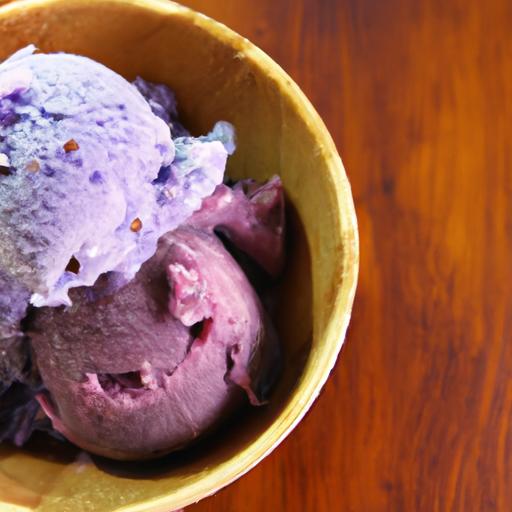

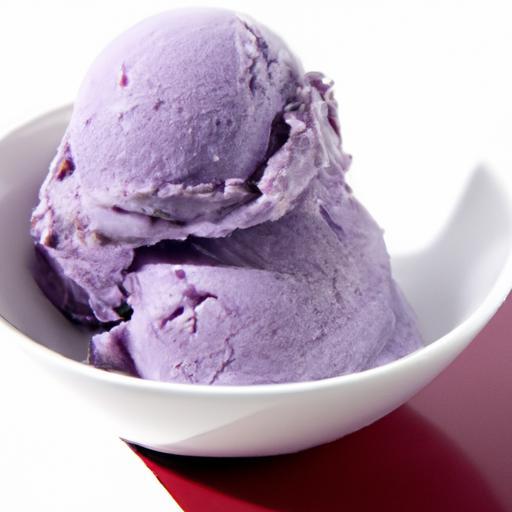
Nestled within the realm of frozen delights, ube ice cream bursts onto the scene wiht a vivid hue and an enchanting flavor profile that transcends the ordinary. This vibrant purple treat, made from the Philippine purple yam, offers a luscious twist on the classic ice cream experience-inviting adventurous palates to indulge in its subtly sweet, nutty essence. As the popularity of ube ice cream grows worldwide,it not only cools and comforts but also weaves a colorful thread of cultural tradition into each creamy scoop. Join us as we dive into the story, flavor, and rising fame of ube ice cream-a frozen delight that’s as captivating in taste as it is in appearance.
The colorful Origins of Ube and Its Rise in Popularity
Ube ice cream has captured the hearts and taste buds of dessert lovers worldwide with its striking violet hue and subtly sweet, nutty flavor. Ube ice cream originates from the Philippines, where ube (purple yam) has long been a cherished ingredient in conventional desserts.This vibrant root is not only a feast for the eyes but also a versatile culinary staple deeply woven into Filipino culture.
Over the past decade,the global rise in popularity of ube ice cream can be traced to increasing interest in unique,colorful treats and the influence of Filipino diaspora sharing their culinary heritage. Its naturally beautiful color and creamy texture offer a fresh twist on classic ice cream, enchanting food stylists and home cooks alike.
Crafting the Perfect Ube Ice Cream Texture and Flavor Balance
Achieving the perfect balance in ube ice cream involves marrying the earthiness of the purple yam with a luscious,creamy base that’s not overly sweet. The secret lies in carefully cooked ube halaya (purple yam jam) that infuses the ice cream with authentic flavor while maintaining a smooth mouthfeel.
Here,a medium-fat dairy base paired with creamy coconut milk enhances the natural sweetness of ube without overshadowing it. Slightly toasting the fresh ube adds a subtle caramelized note, deepening the flavor profile and elevating the overall creaminess.
Prep and Cook Time
- Preparation time: 20 minutes
- Cook time: 40 minutes
- Chilling time: Minimum 6 hours (preferably overnight)
Yield
Approximately 1 quart (4 servings) of rich, velvety ube ice cream.
Difficulty Level
Medium – Requires careful preparation of ube halaya and attention to cream base consistency, but well within reach for passionate home cooks.
Ingredients
- 1 ½ cups fresh or frozen grated ube (purple yam), thawed if frozen
- 1 cup full-fat coconut milk
- 2 cups heavy cream
- ¾ cup granulated sugar
- 4 large egg yolks
- 1 teaspoon vanilla extract
- ½ teaspoon salt
- 1 tablespoon unsalted butter
Instructions
- Cook the Ube: In a medium saucepan, melt butter over medium heat. Add grated ube and sauté until softened and fragrant,about 10 minutes,stirring frequently to prevent sticking.
- Make Ube Halaya: add ½ cup sugar and coconut milk to the cooked ube. Cook gently, stirring constantly, until the mixture thickens to a jam-like consistency (approximately 15-20 minutes). Remove from heat and allow to cool.
- Prepare the Ice Cream Custard: In a bowl, whisk egg yolks with remaining sugar until pale. Heat heavy cream, vanilla extract, and salt in a saucepan over medium heat until it steams but doesn’t boil.
- Temper the Yolks: Slowly pour the hot cream into the yolks while whisking continuously to prevent curdling.
- Cook Custard: Return the mixture to the saucepan, cook over low heat, stirring constantly with a wooden spoon until it thickens enough to coat the back of the spoon (170-175°F).
- Combine Custard and Ube Halaya: Strain custard through a fine sieve into a bowl, then gently fold in the cooled ube halaya until completely blended and vibrant purple.
- Chill the Mixture: Cover tightly with plastic wrap directly on the surface and refrigerate at least 4 hours or overnight.
- Churn the Ice Cream: Pour chilled mixture into an ice cream maker and churn according to manufacturer’s instructions until soft-serve texture is achieved.
- Freeze to Firm Up: Transfer to an airtight container and freeze for 2-3 hours before serving for optimal scoopability and texture.
Chef’s Notes
- For an ultra-smooth texture, strain the cooked ube pulp before making the halaya.
- Substitute heavy cream with a blend of coconut cream and almond milk for a dairy-free alternative, though it may slightly alter creaminess.
- use an ice cream maker to achieve the best consistency; however, the no-churn version can be made by folding whipped cream into the halaya custard mixture and freezing.
- Adjust sweetness by tasting the ube halaya before combining with custard; ube natural sweetness varies seasonally.
- store in an airtight container with parchment paper layered on top to prevent ice crystals.
Creative Ways to enjoy Ube ice Cream beyond the Cone
while delightful on its own, ube ice cream is incredibly versatile. Try it swirled atop warm leche flan for a regal dessert or served as a filling in mochi for a chewy-sweet contrast. A drizzle of toasted coconut flakes or crushed pistachios adds textural interest and a nutty punch. for an eye-catching sundae, pair scoops with fresh mango slices and a sprinkle of toasted sesame seeds.
Pairing Suggestions to Elevate Your Ube Ice Cream Experience
Ube ice cream pairs beautifully with bold, complementary flavors. Radiant tropical fruits like ripe mango, pineapple, and banana balance the earthy sweetness. Experiment with crunchy elements such as crushed graham crackers or coconut macaroons for contrast. A gentle drizzle of caramel or coconut syrup amplifies richness without overpowering.
For beverages, a spiced chai latte or lightly bitter matcha complements ube ice cream‘s sweetness and enhances its exotic profile, creating a vibrant and balanced tasting experience.
| Nutrient | Per Serving (¼ quart) |
|---|---|
| Calories | 320 kcal |
| Protein | 4 g |
| Carbohydrates | 28 g |
| Fat | 22 g |

for an insightful dive into the health benefits of purple yams, visit the Healthline article on purple yams.
Q&A
Q&A: Ube Ice Cream – A Vibrant Twist on a Classic Frozen Treat
Q1: what is ube, and why is it popular in ice cream?
A1: Ube is a purple yam native to the Philippines, celebrated for its striking violet hue and naturally sweet, nutty flavor. When transformed into ice cream, ube offers a vibrant twist-both visually and taste-wise-turning an ordinary scoop into a luscious, eye-catching delight.
Q2: How does the flavor of ube ice cream compare to traditional vanilla or chocolate flavors?
A2: Unlike the straightforward sweetness of vanilla or the rich bitterness of chocolate, ube ice cream carries a unique, subtly earthy flavor with hints of vanilla and almond. It’s creamy yet refreshingly complex, making it a delightful alternative for those seeking something new and adventurous.
Q3: Is ube ice cream made with real purple yams?
A3: Yes! Authentic ube ice cream uses real purple yams that are boiled, mashed, and cooked down into a smooth, creamy base. This natural preparation preserves the yam’s vibrant color and signature sweetness, setting it apart from artificially flavored varieties.Q4: Can ube ice cream be enjoyed by people with dietary restrictions?
A4: Ube ice cream can easily fit into various dietary needs. Traditional recipes frequently enough use dairy, but many modern versions incorporate coconut milk or other plant-based alternatives, making it suitable for lactose-intolerant or vegan individuals without sacrificing creaminess or flavor.
Q5: What makes ube visually appealing in desserts?
A5: The dazzling purple color of ube lends a whimsical, almost magical quality to desserts. Its bright violet shade makes any treat pop on the plate and invites curious taste buds to explore a flavor that matches its stunning appearance.
Q6: How can ube ice cream be incorporated into other desserts?
A6: Ube ice cream is wonderfully versatile! It can be scooped onto warm brownies, swirled into milkshakes, layered in parfaits alongside tropical fruits like mango or coconut, or even used as a filling in sweet pastries.its bold color and flavor add a creative edge to any dessert experience.Q7: Is ube ice cream popular outside of the Philippines?
A7: Absolutely! ube has garnered international attention as a trendy ingredient, especially in culinary scenes that embrace global flavors. From food trucks in New York to dessert cafes in Tokyo, the charming purple treat continues to win hearts worldwide.
Q8: What should first-timers expect when tasting ube ice cream?
A8: Expect a delightful surprise! The flavor is mildly sweet, with a creamy texture and subtle nuttiness. It’s not overpoweringly sweet, making it a refreshing option that feels familiar yet intriguingly diffrent-perfect for the adventurous palate.
Q9: Can ube ice cream be made at home?
A9: Definitely! With access to ube powder or fresh purple yam, home cooks can whip up ube ice cream using standard ice cream-making techniques. The process involves cooking the yam, blending it with milk or coconut milk and sugar, then churning until creamy. It’s a fun way to bring a pop of color and culture into your kitchen.
Q10: What cultural significance does ube hold beyond ice cream?
A10: Ube is a beloved staple in Filipino cuisine, symbolizing creativity and comfort. It’s often used in traditional desserts like cakes, jams, and pastries. Its rise in global popularity reflects a festivity of Filipino heritage and the global appeal of vibrant, flavorful foods.
Future Outlook
as the world of frozen treats continues to evolve, ube ice cream stands out as a vibrant, flavorful testament to culinary creativity and cultural heritage.Its striking purple hue and uniquely sweet, nutty taste offer a refreshing twist on the classic dessert we all know and love. Whether you’re a longtime fan or a curious newcomer, indulging in ube ice cream is more than just satisfying a sweet tooth-it’s an invitation to explore a rich tapestry of tradition and innovation, one scoop at a time. So next time you crave something cool and colorful, let ube ice cream take you on a appetizing journey beyond the ordinary.