
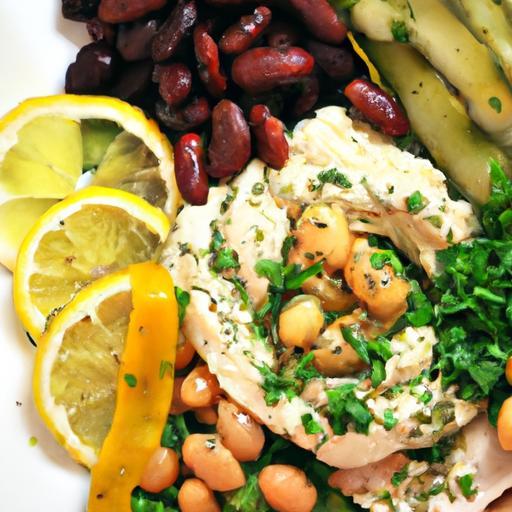
In the heart of the Levant, where ancient traditions meet vibrant culture, a culinary treasure awaits – creamy mezze delights that dance on the palate and tell stories of time-honored recipes. These luscious spreads and dips, brimming with rich textures and harmonious flavors, invite you to embark on a sensory journey through sun-kissed orchards, bustling bazaars, and family gatherings around the table. Unlocking the secrets behind these velvety creations not only reveals the craftsmanship and heritage embedded in every bite but also opens a gateway to savoring the diverse, wholesome essence of Levantine cuisine. Join us as we delve into the world of creamy mezze, uncovering their ingredients, cultural significance, and the art of mastering each sumptuous dollop.
Unlocking the flavors of creamy levantine mezze delights reveals a tradition steeped in history, culture, and heartfelt generosity. Originating from the Levant region-spanning modern-day Lebanon, Syria, Jordan, palestine, and parts of Turkey-these silky, luscious dairy and legume-based dishes have been the centerpiece of communal dining for centuries. I vividly recall my first taste of freshly made labneh at a bustling market in Beirut, where the velvety texture melted effortlessly on warm pita, complemented by the vibrant notes of za’atar and olive oil. This post guides you through authentic recipes for silken hummus and decadent labneh, sharing pairing tips and creative twists to bring the heart of Levantine mezze to your table.
Prep and Cook Time
- preparation: 20 minutes
- Cooking (mainly chickpeas): 1 hour
- total Time: 1 hour 20 minutes
Yield
Serves 6-8 as part of a mezze spread
Difficulty Level
Medium – patience needed for perfect chickpea cooking but beginner-kind or else
Ingredients
- For Classic Silky Hummus:
- 1 cup dried chickpeas (or 2 ¼ cups cooked/canned chickpeas, drained and rinsed)
- ½ teaspoon baking soda
- 6 cups water (for cooking chickpeas)
- ¼ cup fresh lemon juice (about 2 lemons)
- ¼ cup tahini (well-stirred)
- 3 garlic cloves, peeled
- ½ teaspoon salt
- ¼ cup extra virgin olive oil, plus more for drizzling
- Cold water (as needed for texture)
- for Creamy labneh:
- 4 cups full-fat Greek yogurt or strained plain yogurt
- ½ teaspoon salt
- Za’atar spice, for garnish
- Extra virgin olive oil, for drizzling
Instructions
- Soak and cook the chickpeas: Rinse the dried chickpeas and soak them overnight in cold water with ½ tsp baking soda. Drain,than place in a large pot with 6 cups fresh water and bring to a boil. Reduce to simmer and cook for about 1 hour or until very tender. Skim off any foam or skins that float to the surface.
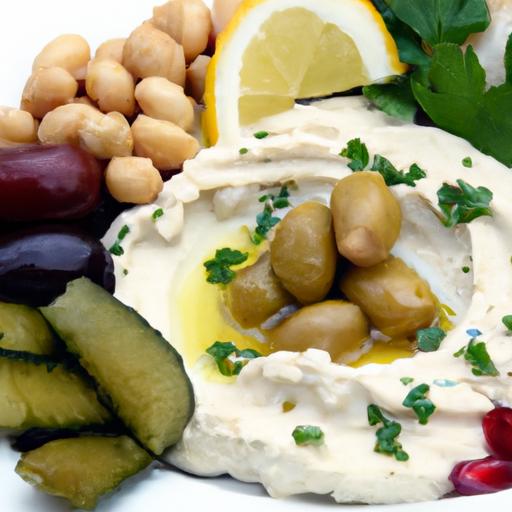
- Prepare the hummus base: Drain the chickpeas, reserving some cooking water. Blend the cooked chickpeas, lemon juice, tahini, garlic cloves, and salt in a food processor until smooth.
- Perfect the texture: Slowly drizzle in olive oil and cold water, blending continuously to achieve a glossy, silky consistency. This may take 5-7 minutes-patience here creates that signature creaminess. Adjust salt and lemon to taste.
- Drain the labneh: Whisk the yogurt with salt. Line a fine mesh sieve or colander with cheesecloth and pour the yogurt in. Fold over the cheesecloth and refrigerate for 24-48 hours to allow whey to drain, creating thick, spreadable labneh.
- Serve: Spoon labneh into a shallow bowl. Drizzle generously with olive oil and sprinkle with za’atar for an irresistible aroma and flavor.
Tips for success
- Chickpea Prep: Using dried chickpeas and cooking them yourself yields unmatched flavor and silkiness. Canned chickpeas are a shortcut but can limit smoothness.
- Garlic Intensity: For milder hummus, lightly roast garlic cloves before blending or reduce the quantity.
- Labneh Variation: For a tangier labneh, extend straining time or stir in a splash of fresh lemon juice before serving.
- Make Ahead: Both hummus and labneh improve in flavor when refrigerated overnight, allowing spices and textures to meld beautifully.
- Storage: Keep hummus and labneh in airtight containers, drizzle with olive oil to prevent drying. Consume within 4-5 days for freshness.
Serving Suggestions
Unlocking the flavors of creamy Levantine mezze delights truly shines when paired thoughtfully. Serve hummus and labneh alongside warm, fluffy pita or homemade flatbread for dipping bliss. Add vibrant garnishes like toasted pine nuts, fresh finely chopped parsley, sumac, finely diced cucumbers, or roasted red peppers. Elevate the spread with olives, pickles, and crunchy fresh vegetables such as radishes and carrots for textural contrast.
For a dynamic mezze platter, include spiced roasted nuts, smoky grilled eggplant slices, and marinated artichokes. Drizzle additional high-quality olive oil and a sprinkle of za’atar or fresh mint leaves for a refreshing final touch. Pair with freshly brewed mint tea or pomegranate juice for an authentic Levantine experience.
| Nutrient | Per Serving (hummus & Labneh combined) |
|---|---|
| Calories | 210 kcal |
| Protein | 9 g |
| Carbohydrates | 16 g |
| Fat | 14 g |

For more inspiration on Levantine flavors, explore our detailed guide on essential Levantine spices and herbs. to deepen your understanding of mediterranean cuisine’s health benefits, visit the Medical news Today article on Mediterranean Diet.
Q&A
Q&A: Unlocking the Flavors of Creamy Levantine Mezze Delights
Q1: What makes Levantine mezze uniquely creamy compared to other Mediterranean appetizers?
A1: Levantine mezze desserts and appetizers boast a luscious creaminess primarily due to the use of ingredients like strained yogurt (labneh),tahini,fresh cheeses,and silky purees of chickpeas or fava beans. These ingredients meld natural fats and proteins with fresh herbs and spices, creating a texture that is both indulgent and comforting, setting Levantine mezze apart with its vibrant yet smooth flavor profiles.
Q2: Which traditional Levantine mezze are celebrated for their creamy textures?
A2: classic creamy mezze include dishes like hummus-a blended chickpea puree with tahini and olive oil-mutabbal or baba ghanoush, where roasted eggplant turns velvety thanks to tahini and garlic, and labneh, a tangy strained yogurt frequently enough garnished with olive oil and herbs. Each offers a distinct creamy mouthfeel that invites dipping, spreading, and savoring.
Q3: How do herbs and spices enhance the creaminess in these mezze dishes?
A3: Fresh herbs like mint,parsley,and cilantro infuse brightness and lift to otherwise rich,creamy bases,cutting through heaviness with refreshing notes. Spices such as cumin,sumac,and za’atar introduce earthy,smoky,or citrusy dimensions,elevating simple creams into complex flavor experiences that tantalize the palate with every bite.
Q4: Can these creamy Levantine mezze be adapted for plant-based diets?
A4: Absolutely! Many creamy mezze are naturally plant-based or easily veganized. Such as, traditional hummus and baba ghanoush require no animal products. Labneh can be substituted with thickened coconut yogurt or cashew cream, still delivering that signature tang and richness. With the right balance of ingredients, vegan mezze remain creamy, nutritious, and perfectly indulgent.Q5: What role does olive oil play in crafting the perfect creamy Levantine mezze?
A5: Olive oil is key in both texture and taste. Drizzled generously, it amplifies silkiness, enriching purees and yogurts alike. Its fruity and peppery notes also contribute depth, bringing out the natural sweetness of chickpeas or the mellow earthiness of eggplant. Olive oil acts as a luscious binding agent, ensuring each mezze is irresistibly smooth and flavorful.
Q6: How can someone new to Levantine cuisine best experience and appreciate these creamy mezze dishes?
A6: Start with a mezze platter that offers variety-smooth hummus, smoky baba ghanoush, cool herbaceous labneh, and perhaps creamy muhammara. Pair with warm, fresh pita or crunchy vegetables for the ideal vehicle. Savor each bite slowly, noting how the creamy textures interact with the bright herbs and spices. This journey reveals both the simplicity and sophistication of Levantine mezze culture.
Q7: Are there seasonal or regional variations that influence the creamy mezze of the Levant?
A7: indeed, local ingredients and seasons shape mezze nuances. In coastal areas, you might find creamier versions with added tahini or nuts, while inland regions emphasize fresh herbs or preserved lemons to brighten richness. Seasons introduce fresh peas, favas, or herbs to blend into creamy dips, allowing the mezze to evolve with the land’s rhythm and express regional character.
Q8: What is a simple tip for enhancing the creamy texture of homemade Levantine mezze?
A8: One easy way is to blend your base ingredients longer and add a bit of cold water or quality olive oil in slow streams while processing. This technique creates a more emulsified,silky finish without thinning the flavor. Additionally, roasting vegetables before blending can deepen flavors and add natural oils that enhance creaminess effortlessly.
Unlocking the rich, velvety world of creamy Levantine mezze invites food lovers to experience a blend of culture, history, and taste-with every smooth scoop telling a story of the land and its people.
Insights and Conclusions
as we close the chapter on our journey through the lush landscapes of creamy Levantine mezze, one truth becomes deliciously clear: these dishes are more than just food-they are a festivity of heritage, hospitality, and harmonious flavors. From the velvety swirls of labneh to the nutty whispers of muhammara,each bite invites you to connect with centuries of tradition while savoring the vibrant essence of the Levant. So next time you gather around the table, let these creamy delights unlock a world of taste and stories, turning every meal into a shared experience of warmth and wonder.