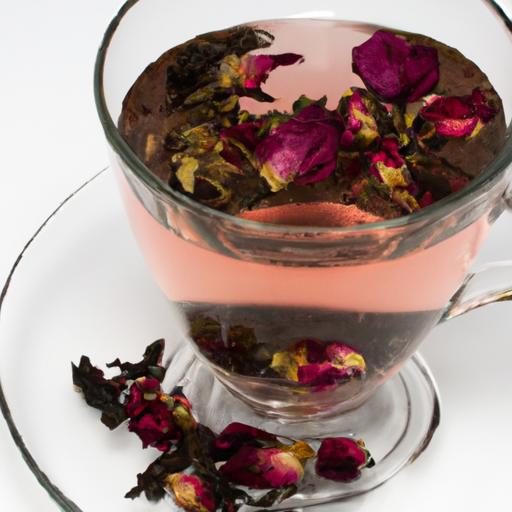

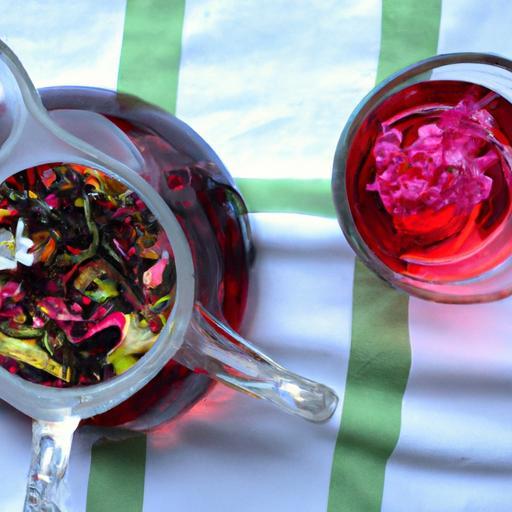
Steeped in vibrant hues and bursting with fragrant notes,hibiscus rose tea is more than just a delightful floral infusion-it’s a festivity of nature’s artistry and a treasured elixir for wellness. This enchanting brew combines the tart,ruby-red petals of the hibiscus flower with the delicate,sweet fragrance of rose blossoms,creating a harmonious sip that captivates the senses. from ancient herbal remedies to modern-day wellness routines, hibiscus rose tea has woven its way into cultures around the world, prized not only for its irresistibly refreshing flavour but also for its remarkable health benefits. Join us as we explore the origins, healthful properties, and unique taste profile of this floral tea that promises to invigorate both body and soul.
Exploring the Vibrant History and Cultural Significance of Hibiscus Rose Tea
Hibiscus Rose Tea has long enchanted cultures around the world with its vivid crimson hue and intoxicating aroma. Originating from ancient Egypt, where it was revered as a refreshing elixir and a symbol of health and vitality, this floral brew has traveled through time and continents.In West Africa,hibiscus tea-known as bissap-is a popular celebratory drink,while in Southeast Asia,delicate rose petals imbue the tea with a subtle fragrance that evokes moments of tranquility and grace. The fusion of hibiscus and rose blossoms embodies centuries of tradition, connecting us to rituals of wellness and cultural storytelling in every warm sip.
Health Benefits Backed by science for Mind and Body
More than just a stunning infusion, Hibiscus Rose Tea is a powerhouse of antioxidants and vital nutrients. Scientific studies have demonstrated that hibiscus flower compounds support heart health by helping to maintain healthy blood pressure levels and reducing oxidative stress. Simultaneously occurring, the natural flavonoids and essential oils in rose petals promote relaxation, easing anxiety and uplifting the mood through gentle aromatherapy effects. Together,they create a floral wellness tonic that boosts immunity,supports digestion,and sharpens mental clarity – ideal for those seeking both flavor and mindful nourishment in their daily ritual.
Crafting the Perfect Brew: Tips for Flavor and Aroma Enhancement
To unlock the full spectrum of Hibiscus Rose Tea’s vibrant flavors, begin with quality dried hibiscus calyces and organic rose petals. use fresh, filtered water just off the boil (about 95°C/203°F) to preserve delicate floral notes without bitterness. Steep for 5 to 7 minutes depending on your desired intensity – shorter steeping yields a lighter, more fragrant brew; longer brings out a tart, full-bodied flavor. Adding a hint of natural sweetener like honey or agave balances the floral tartness without overpowering it. Experiment with infusions-such as fresh mint or a slice of ginger-for a refreshing twist that awakens your senses.
Innovative Recipes to Elevate Your Hibiscus Rose Tea Experience
Elevate your Hibiscus Rose Tea beyond the cup with creative recipes that celebrate its luminous color and floral charm. Consider a chilled hibiscus rose lemonade with a splash of sparkling water and a sprig of rosemary for a complex afternoon refreshment. For a cozy treat,craft an herbal hibiscus rose latte by whisking steamed almond milk with a spoonful of hibiscus rose concentrate — topped with edible rose petals for visual delight. Even desserts benefit from this vibrant duo: drizzle a hibiscus rose syrup over vanilla panna cotta or swirl into chia pudding for a floral finish that entices both eye and palate.
Prep and Cook Time
- Preparation: 5 minutes
- Steeping: 7 minutes
- Total: 12 minutes
Yield
- Serves 2 generously (about 16 oz/480 ml total)
Difficulty Level
- Easy
Ingredients
- 2 tbsp dried hibiscus calyces
- 1 tbsp dried organic rose petals
- 2 cups filtered water (about 95°C/203°F)
- 1-2 tsp natural sweetener (honey, agave, or maple syrup), optional
- Fresh mint leaves or ginger slices, optional for infusion
- Edible rose petals for garnish, optional
Instructions
- Bring water to a near boil. Heat filtered water until small bubbles appear, about 95°C (203°F).
- Combine hibiscus and rose petals. Place dried hibiscus calyces and rose petals in a heatproof teapot or infuser.
- Pour hot water over the blossoms. Pour the water directly over the ingredients for full extraction of flavor and color.
- Steep for 5 to 7 minutes. Adjust steeping time for desired strength — 5 minutes for light and floral, 7 minutes for rich and tart.
- Strain through a fine mesh. Remove petals and hibiscus, pressing lightly to capture the full essence without bitterness.
- Add sweetener and optional infusions. Stir in honey or your choice of sweetener.For a twist, add fresh mint or fresh ginger slices and steep an additional minute.
- Pour and garnish. Serve hot or chilled with ice cubes and edible rose petals for a visual flourish and sensory delight.
Tips for success
- Use fresh, high-quality dried hibiscus and rose petals for best flavor; avoid overly dusty or faded flowers.
- To prevent over-extraction and bitterness, do not steep beyond 7 minutes.
- feel free to adjust sweetness gradually; hibiscus tea’s natural tartness balances beautifully with minimal honey or agave.
- For iced tea, brew double strength and chill before serving with ice for a vibrant, refreshing drink.
- Make-ahead: Prepare concentrate by steeping double quantities,refrigerate,and dilute with hot or cold water as desired throughout the week.
Serving Suggestions
- serve in clear glass mugs to showcase the radiant garnet color.
- Garnish with a sprig of fresh mint or a sprinkle of edible rose petals for elegance.
- Pair with light floral pastries like lavender shortbread or lemon madeleines to complement the tea’s fragrant notes.
- For summer, create a hibiscus rose spritzer by topping iced tea with sparkling water and a twist of lemon or lime.
| Nutrient | Per Serving |
|---|---|
| Calories | 15 kcal |
| Protein | 0.2 g |
| carbohydrates | 4 g |
| Fat | 0 g |
| Vitamin C | 22% DV |

To explore complementary herbal blends, visit our guide on herbal tea blends.For scientific insights on hibiscus benefits, check the NIH study.
Q&A
Q&A: Hibiscus Rose Tea – A Floral Brew for Wellness & Flavor
Q1: What exactly is hibiscus rose tea?
A1: Hibiscus rose tea is a vibrant, aromatic herbal infusion crafted by blending dried hibiscus petals with fragrant rose petals. This enchanting fusion creates a deep crimson brew that’s as pleasing to the eye as it is to the palate, offering a floral symphony that’s both refreshing and soothing.
Q2: what makes hibiscus rose tea special compared to other herbal teas?
A2: Beyond its stunning ruby hue and unique floral notes, hibiscus rose tea boasts a tangy yet sweet flavor profile balanced by subtle rose undertones. It’s a natural powerhouse, combining the antioxidant richness of hibiscus with the calming, mood-enhancing properties of rose, making it as beneficial as it is appetizing.
Q3: Are there any health benefits associated with drinking hibiscus rose tea?
A3: Absolutely! This tea blend is celebrated for promoting heart health by supporting healthy blood pressure levels, aiding digestion, and providing a gentle detoxifying effect. Roses contribute a calming influence that can help reduce stress and improve sleep quality,turning your tea moment into a mini wellness ritual.
Q4: How can I prepare the perfect cup of hibiscus rose tea?
A4: To brew the ideal cup, steep 1-2 teaspoons of dried hibiscus and rose petals in hot water (just off the boil) for 5-7 minutes. Strain, then enjoy it warm or chilled. For a twist, add a touch of natural honey or a slice of fresh lemon to enhance its natural zing and floral sweetness.
Q5: Can hibiscus rose tea be enjoyed any time of day?
A5: Definitely! Its caffeine-free nature means you can sip it morning, noon, or night without worry. Morning cups awaken your senses with tangy brightness, while evening brews provide a calming wind-down, thanks to rose’s soothing essence.
Q6: Are there any considerations or precautions to be mindful of when drinking hibiscus rose tea?
A6: While generally safe and gentle, those with low blood pressure or pregnant individuals should consult a healthcare provider before regular consumption, as hibiscus may influence blood pressure. Otherwise, it’s a delightful and safe herbal treat for most tea lovers.
Q7: Is hibiscus rose tea versatile beyond just a hot brew?
A7: Certainly! This floral infusion shines as a refreshing iced tea on warm days, a zesty base for mocktails, or even a flavorful addition to desserts like sorbets and jellies.Its adaptability invites creative exploration in both beverages and culinary creations.
Q8: Where can one source high-quality hibiscus and rose petals for tea?
A8: Look for organic,food-grade dried hibiscus calyces and rose petals from reputable herbal shops,specialty tea stores,or trusted online retailers. Quality ingredients ensure a pure, vibrant flavor and maximize the tea’s healthful benefits.
With its blend of vibrant flavor, captivating aroma, and wellness potential, hibiscus rose tea offers a refreshing floral escape in every cup-a true celebration of nature’s artistry and care.
Future Outlook
As the delicate petals of hibiscus and the subtle charm of rose intertwine, this floral brew invites both your senses and your well-being into a harmonious dance. Hibiscus Rose Tea is more than just a flavorful infusion; it’s a vibrant ritual that nurtures the body, refreshes the mind, and delights the palate. Whether sipped hot on a crisp morning or chilled beneath the afternoon sun, this brew embodies a timeless fusion of nature’s beauty and healthful promise-reminding us that sometimes, the simplest petals hold the richest stories for wellness and flavor alike.