
In a world brimming with desserts, few confections captivate the senses quite like baklava. With its golden, flaky layers and sticky-sweet embrace of honey and nuts, baklava is more than just a treat-it’s a story folded into every bite. “Baklava Unwrapped: A Sweet Journey Through Layers of Flavor” invites you to peel back the crusty, caramelized exterior and explore the rich tapestry of history, culture, and culinary artistry that makes this indulgence a timeless favorite. Join us as we unravel the secrets behind its delicate layers, uncover the traditions that shape its creation, and savor the complex flavors that have enchanted palates across continents for centuries.
Baklava Unwrapped: A Sweet Journey Through Layers of Flavor invites you into the enchanting world of one of the moast beloved desserts in Middle Eastern and Mediterranean cuisine. This rich, nutty, syrup-soaked pastry has an alluring backstory that entwines ancient civilizations, delicate craftsmanship, and centuries of tradition. Every crisp layer of golden phyllo dough and every drop of fragrant honey or rosewater syrup tells a tale of artistry and passion passed down through generations.
Prep and Cook Time
- Preparation: 40 minutes
- Cooking: 45 minutes
- Syrup soaking time: Minimum 4 hours (preferably overnight)
Yield
- Approximately 24 pieces (serves 8-10)
Difficulty Level
- medium – Requires patience and attention to detail but rewarding for all skill levels
Ingredients
- 1 package (16 oz) phyllo dough, thawed
- 2 cups mixed nuts (walnuts, pistachios, almonds), finely chopped
- 1 cup unsalted butter, melted
- 1 teaspoon ground cinnamon
- 1 cup granulated sugar
- 1 cup water
- 1/2 cup honey
- 1 tablespoon fresh lemon juice
- 1 teaspoon rosewater or orange blossom water (optional)
Instructions
- Preheat your oven to 350°F (175°C). Prepare a 9×13 inch baking dish by brushing it generously with melted butter.
- Mix the chopped nuts with cinnamon in a bowl. This blend will infuse kisses of warm spice into every layer.
- layer 8 sheets of phyllo into the buttered dish, brushing each sheet lightly with melted butter to ensure crisp, flaky layers.
- Sprinkle a generous handful of the nut mixture evenly over the layered phyllo.
- Repeat layering 4 sheets of phyllo dough, buttering each, then add nuts again. Continue until all nuts are used, topping with a final 8 buttered phyllo sheets.
- Using a sharp knife, carefully cut the assembled baklava into diamond or square shapes before baking; this helps the syrup to be absorbed fully later.
- Bake uncovered for 45 minutes, or until the top is a rich golden brown and crisp.
- while baking, prepare the syrup: In a saucepan, combine sugar, water, honey, and lemon juice. Bring to a boil, then reduce to a simmer for 10 minutes until slightly thickened. Remove from heat and stir in rosewater or orange blossom water for a fragrant twist.
- Once baklava is baked, instantly pour the cooled syrup evenly over the hot pastry. Let the baklava rest at room temperature to absorb the syrup fully; overnight chill is ideal for luscious depth of flavor.
- Enjoy by peeling apart the buttery, syrupy layers to reveal the crunch and sweetness that make baklava a timeless indulgence.
Tips for Success
- Phyllo dough is delicate and dries quickly-keep sheets covered with a damp cloth to prevent drying out as you work.
- Butter every sheet thoroughly for that signature flaky texture and to avoid dryness.
- Nut variety: Feel free to customize with your favorite nuts or even add a handful of toasted coconut for subtle texture contrast.
- Syrup soaking: Patience here is paramount-allowing the baklava to absorb syrup overnight ensures each bite bursts with balanced sweetness.
- Make-ahead: Baklava can be stored at room temperature covered for up to 5 days, or refrigerated for longer keeping, just bring back to room temp before serving.
Serving Suggestions
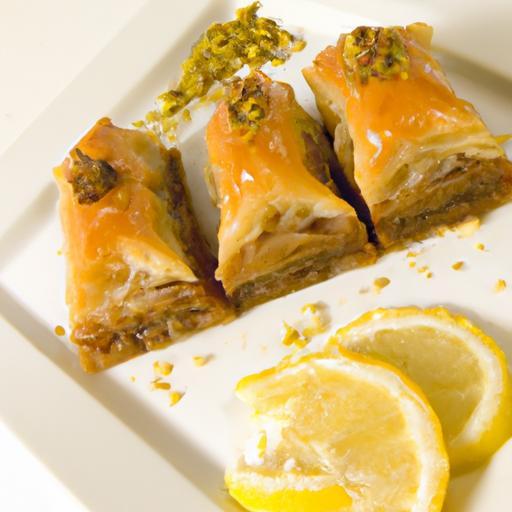
Serve your baklava elegantly on a beatiful platter, garnished with crushed pistachios for vibrant color and extra crunch. A light dusting of powdered cinnamon or a drizzle of extra honey adds a rich finishing touch. Pair it with strong Turkish coffee or a fragrant cardamom tea to complement the sweet, nutty layers beautifully. For dessert pairing, vanilla bean ice cream or creamy labneh with a hint of rosewater accentuates that classic Middle Eastern flair.
| Nutritional info (per serving) | Amount |
|---|---|
| Calories | 320 kcal |
| Protein | 5 g |
| carbohydrates | 38 g |
| Fat | 18 g |

Learn more about the art of layering perfect phyllo with our Phyllo Dough Secrets for Crispy Perfection to master your next baklava creation.
Q&A
Q&A: Baklava Unwrapped – A Sweet Journey Through Layers of Flavor
Q1: What is baklava, and were did it originate?
A: Baklava is a luscious pastry made of delicate layers of thin, flaky dough called phyllo, filled with a mixture of nuts, sweetened with fragrant syrups or honey. While its exact origins are debated, baklava is believed to have roots in the ancient Middle East and the Ottoman Empire, spanning across Turkey, Greece, and the Levant region, each adding their own unique twist to this timeless dessert.
Q2: What makes baklava’s layers so special?
A: The magic of baklava lies in its contrast between crispy,paper-thin phyllo layers and the rich,nutty filling that lies between them. Each layer is brushed with melted butter, baking into a golden, flaky mosaic. when baked and soaked in syrup, these layers soften just enough to melt in your mouth, creating a harmony of textures that is part crunchy, part tender.
Q3: Which nuts are commonly used in baklava?
A: Traditionally, baklava features nuts such as walnuts, pistachios, and almonds. Each nut brings its own flavor profile and texture: walnuts provide a deep, earthy tone; pistachios offer a vibrant, slightly sweet crunch; and almonds add a subtle buttery richness. Regional variations might emphasize one nut over another, depending on local harvests and taste preferences.
Q4: How is the syrup made, and why is it significant?
A: The syrup is typically crafted from sugar and water, infused with fragrant spices like cinnamon, cloves, or a hint of citrus zest, and sometimes sweetened further with honey. This syrup is poured over the hot baklava right after baking, allowing it to soak in deeply and balance the pastry’s buttery richness with a sticky, sweet finish that lingers on the palate.Q5: Can baklava be enjoyed beyond being a dessert?
A: Absolutely! While baklava shines as a celebratory dessert, it can also be a delightful accompaniment to coffee or tea, acting almost as a sweet bite between sips. In some traditions, baklava marks special occasions and gatherings, symbolizing hospitality and the joy of sharing.
Q6: What variations of baklava exist around the world?
A: Beyond the classic Middle Eastern version, baklava takes on manny regional interpretations.Greek baklava might be spiced with cinnamon and layered with walnuts, Turkish baklava often emphasizes pistachios and a honey-infused syrup, while Armenian and Lebanese varieties include different nuts and aromatic flavors. Some versions use rose water or orange blossom water in the syrup to add a floral note, enhancing the sensory experience.
Q7: Are there any tips for making baklava at home?
A: Patience and precision are key. Use fresh, high-quality phyllo dough and keep it covered with a damp cloth to prevent drying out. brush each layer generously with melted butter for that perfect crispness. Allow the baklava to cool wholly before pouring the syrup, ensuring it absorbs evenly. let it rest for several hours or overnight to develop its full, signature flavor.
Q8: How does baklava reflect cultural traditions?
A: Baklava is more than just a dessert; it’s a culinary tapestry woven through centuries of history and shared celebrations. Its preparation frequently enough involves family members coming together, passing down recipes and techniques like heirlooms. Each bite tells a story of hospitality, craft, and the sweetness of togetherness-making baklava a symbol of cultural pride and joy.
The Way Forward
As we close the final layer of our baklava journey, it’s clear that this timeless pastry is far more than just a dessert-it’s a rich tapestry woven from centuries of tradition, culture, and culinary artistry. Each flaky sheet and sticky drizzle tells a story, inviting us to savor not only the sweetness but also the heritage nestled within every bite. Whether enjoyed in a bustling market or a quiet kitchen, baklava continues to delight palates across the world, reminding us that sometimes, the most remarkable experiences come wrapped in the simplest of layers. So next time you unwrap a piece, take a moment to appreciate the history and craftsmanship that make baklava an enduring symbol of indulgence and connection.