
In the ever-evolving world of global cuisine, few dishes manage to capture both tradition and versatility as effortlessly as Korean rice bowls. These vibrant, layered meals are more than just a combination of ingredients-they are a party of flavor, texture, and heritage all nestled into a single bowl. From the sizzling richness of bulgogi to the crisp freshness of pickled vegetables, Korean rice bowls offer a comforting yet dynamic dining experience that resonates with food lovers everywhere. Join us as we explore the appetizing nuances of this beloved comfort classic,uncovering the stories and tastes that make each bowl a savory journey worth savoring.
Savoring Korean rice bowls means embracing a vibrant harmony of tastes and textures rooted deeply in Korea’s culinary heritage. Originating from a tradition of simple yet profoundly satisfying meals, these bowls bring together perfectly cooked rice with an array of bold, savory, sweet, and spicy ingredients that dance on the palate. I remember the first time I encountered a classic bibimbap bowl at a bustling Seoul market-each spoonful packed with fresh vegetables, marinated beef, and a kick of gochujang sparked a newfound appreciation for balance and comfort in food. This rich interplay of ingredients is what makes Korean rice bowls such an enduring comfort classic, adaptable for home kitchens worldwide.
Prep and Cook Time
- Readiness: 20 minutes
- Cooking: 25 minutes
- total Time: 45 minutes
Yield
Serves 4 generous portions
Difficulty Level
medium – perfect for intermediate home cooks eager to explore Korean cuisine complexity with confidence
Ingredients
- 2 cups short-grain white rice,rinsed and drained
- 300g lean beef sirloin,thinly sliced
- 2 tbsp soy sauce
- 1 tbsp sesame oil,plus extra for cooking
- 1 tbsp gochujang (Korean chili paste)
- 1 tsp honey
- 3 cloves garlic,minced
- 1 medium carrot,julienned
- 100g spinach,blanched and squeezed dry
- 100g zucchini,julienned
- 2 eggs
- 2 green onions,thinly sliced
- 1 sheet roasted seaweed (gim),shredded
- Sesame seeds,for garnish
- Salt and freshly ground black pepper,to taste
Instructions
- Cook the rice: In a rice cooker or heavy-bottom pot,cook the rinsed rice with 2½ cups water until tender and fluffy. Keep covered and warm.
- Marinate the beef: In a bowl, combine soy sauce, honey, 1 tbsp sesame oil, minced garlic, and a pinch of pepper. Add sliced beef and let marinate for 15 minutes.
- Prepare the vegetables: Sauté zucchini and carrots separately in a little sesame oil over medium heat until tender but still vibrant, about 3-4 minutes each. Season lightly with salt.
- Cook spinach: Blanch spinach in boiling water for 30 seconds, drain well, then toss with a pinch of salt and ½ tsp sesame oil.
- Cook the beef: In a hot pan with a splash of sesame oil, quickly stir-fry the marinated beef until browned and cooked through, about 4-5 minutes.
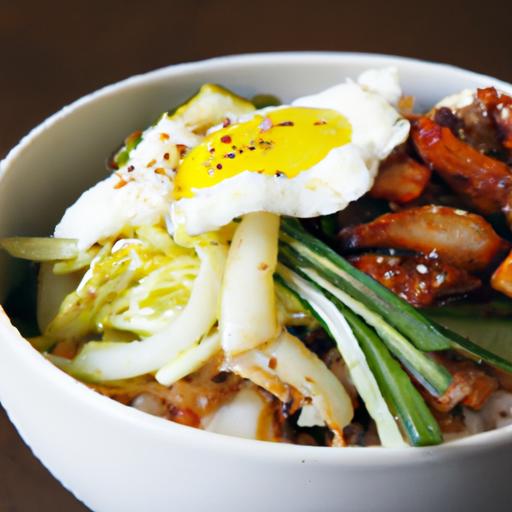
- Fry the eggs: In a nonstick pan, fry eggs sunny-side up or to your liking. The runny yolk adds luxurious creaminess to the bowl.
- Assemble the Korean rice bowls: Divide warm rice into four bowls. Neatly arrange the sautéed carrots,zucchini,spinach,and cooked beef atop the rice. Place the fried egg in the center.
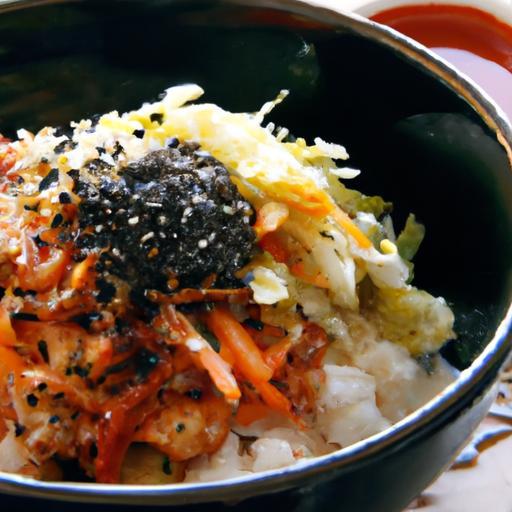
- Add finishing touches: Dollop a spoonful of gochujang on the side or drizzle over the ingredients. Garnish with sliced green onions, roasted seaweed strips, and a sprinkle of sesame seeds.
- Serve and enjoy instantly: Encourage mixing all components just before eating to savor the medley of contrasting textures and flavors.
Tips for Crafting Your Own Flavorful Korean Rice Bowl at Home
- Use short-grain or medium-grain rice for that iconic sticky texture that holds the bowl together perfectly.
- Experiment with protein alternatives like marinated tofu or grilled chicken for variety and dietary preferences.
- Adjust gochujang levels depending on your spice tolerance; mixing it with a little honey or sesame oil softens the heat while enhancing umami.
- Prepping vegetables separately and seasoning each allows you to balance the flavors and texture layers authentically.
- Leftover rice bowls reheat beautifully – cover the bowl with a damp paper towel and microwave briefly to restore moisture.
Essential Korean Rice bowls to Try for Authentic Comfort
Once confident, explore beloved variations like Bibimbap, Galbi-bap (marinated beef short rib rice bowl), or Kimchi Bokkeumbap (kimchi fried rice bowl) to deepen your Korean culinary journey.
Serving Suggestions
Present your Korean rice bowl in a shallow, wide bowl to showcase the rainbow of ingredients visually. serve alongside small Korean side dishes (banchan) like kimchi, pickled radish, or seasoned bean sprouts. A cold glass of barley tea (bori cha) complements the meal perfectly, cleansing the palate between savory bites.
| Nutrient | Per Serving |
|---|---|
| Calories | 520 kcal |
| Protein | 32 g |
| Carbohydrates | 60 g |
| Fat | 14 g |

To deepen your understanding and techniques, check out our Guide to Korean Cooking Basics and bring the essence of Korean comfort food right to your kitchen.
Q&A
Q&A: Savoring Korean Rice Bowls: A Flavorful Comfort Classic
Q1: what makes Korean rice bowls such a beloved comfort food?
A1: Korean rice bowls are a harmony of textures and flavors that deliver warmth and satisfaction in every bite. Their essence lies in the balance-fluffy steamed rice cushioned by savory, frequently enough spicy toppings like tender marinated beef, fresh vegetables, and vibrant sauces. They evoke a sense of home-cooked nourishment, perfectly suited for sharing or solo indulgence.
Q2: How do Korean rice bowls capture the spirit of Korean cuisine in one dish?
A2: Korean rice bowls are a microcosm of Korea’s culinary philosophy: bold, balanced, and deeply rooted in tradition. They showcase umami-rich fermented elements such as gochujang (red chili paste) or doenjang (fermented soybean paste), crunchy pickled vegetables, and fresh herbs-all layered atop plain rice to highlight the harmony between simple and complex flavors.Q3: Which classic Korean rice bowls are must-try for beginners?
A3: Beginners should dive into dishes like Bibimbap, a vibrant bowl of mixed veggies, seasoned beef, a fried egg, and spicy gochujang, all stirred together for a perfect flavor symphony. Another classic is Bulgogi rice bowls, featuring sweet-savory grilled beef atop rice, garnished with sesame seeds and green onions. These dishes are gateways to the soul of Korean comfort food.
Q4: Can Korean rice bowls be easily adapted for plant-based diets?
A4: Absolutely! Korean cuisine offers plenty of plant-powered options. For example,you can build a Bibimbap-style rice bowl with sautéed mushrooms,tofu,an array of colorful vegetables,and a drizzle of spicy gochujang sauce. The key lies in using fermented pastes and fresh ingredients to layer depth and umami without relying on animal products.
Q5: What role do textures play in the enjoyment of Korean rice bowls?
A5: Texture is everything in Korean rice bowls. The contrast between fluffy rice, crunchy vegetables, tender proteins, and sometimes crispy seaweed or toasted sesame seeds elevates the eating experience. This interplay keeps each bite exciting and highlights the care taken to balance comfort with complexity.
Q6: How notable are sauces and condiments in korean rice bowls?
A6: Sauces like gochujang and soy-based marinades are the secret heroes of Korean rice bowls. They inject richness, heat, and tang that transform simple ingredients into a cohesive and vibrant dish. Condiments such as kimchi or pickled radishes also add acidity and brightness, cutting through richness and refreshing the palate.
Q7: What tips can home cooks use to recreate authentic Korean rice bowls?
A7: Start with quality short-grain rice cooked to fluffy perfection. invest in staple Korean ingredients such as gochujang, sesame oil, soy sauce, and garlic. Prep toppings with varied colors and textures-think sautéed spinach,crunchy carrots,marinated mushrooms,and a perfectly cooked egg. Lastly, embrace the art of layering and balance for that authentically comforting bowl.
Q8: Why do Korean rice bowls remain popular globally?
A8: Korean rice bowls tap into the global craving for hearty, wholesome food that pleases the senses and comforts the soul. Their vibrant colors, bold flavors, and customizable nature resonate with food lovers worldwide, making them as much a celebration of culture as a delicious meal that invites everyone to savor comfort in a bowl.
In Summary
As we wrap up our flavorful journey through the world of Korean rice bowls, it’s clear that these humble dishes hold a special place in both the heart and the palate. Each bowl is more than just a meal-it’s a comforting tapestry woven from vibrant textures, bold spices, and time-honored tradition. Whether enjoyed sizzling hot or savored slowly with friends, Korean rice bowls offer a delicious reminder that comfort food can be both nourishing and adventurous. So next time hunger strikes, consider reaching for a bowl brimming with savory goodness-because in every bite lies a story waiting to be savored.