
In the world of desserts, few treats encapsulate both heritage and indulgence quite like the trifle. With its mosaic of flavors and textures elegantly stacked in obvious glory, the trifle is more than just a sweet finale-it is a story told in layers. From the sponge soaked in spirited wine or juice to the rich custard, fresh fruits, and fluffy whipped cream crowning the creation, each component plays a vital role in a symphony of taste and tradition. this article delves into the origins, evolution, and enduring appeal of the trifle, inviting you to uncover the secrets behind a layered delight that has charmed generations and continues to inspire modern palates worldwide.
Origins and Evolution of Trifle Through the Centuries
Trifle Unveiled: A Layered Delight of Taste and Tradition begins with the interesting journey of this beloved dessert through time. Originally emerging in 16th-century england, trifles were humble yet ingenious concoctions crafted from stale bread soaked in sweetened wine and layered with thick custard. Over centuries, creative cooks transformed the concept, embracing local flavors and evolving layering techniques that meld fruit, sponge cake, jelly, and cream into indulgent harmony.
From aristocratic banquets to family gatherings, the versatility of the trifle has made it an enduring symbol of celebratory joy. The transformation from dense breads to airy sponge and the replacement of wine with fruit juices or syrups reflect both cultural shifts and culinary innovation. Today, crafting a trifle is an art of balancing history’s influence with modern taste preferences-capturing the essence of tradition while inviting new textures and flavors.
Mastering the Art of Layering Flavors and Textures
Layering is at the heart of every perfect trifle, making the process both artistic and precise. The trick lies in juxtaposing contrasting textures-soft sponge soaked in fragrant fruit juice, the lusciousness of creamy custard, the zing of fresh berries, and the airy lightness of whipped cream. Each layer must harmonize yet stand out, creating depth with every spoonful.
Start by soaking your cake components just enough to be moist but not soggy, so they maintain gentle resilience. Follow with piping rich custard or silky pudding in a stable yet creamy layer. Incorporate fresh fruit for brightness and a slight crisp texture, then crown the dessert with whipped cream or mascarpone for a luscious finish. The key is patience and vision-gradually building the trifle so the flavors marry but don’t overwhelm.
Selecting the Perfect Ingredients for an Authentic Trifle Experience
A truly authentic trifle demands ingredients chosen with care and quality. Opt for a light sponge cake or ladyfingers that will soak up flavors while retaining structure. Choose a vibrant fruit jelly or gelatin, ideally made from natural fruit juice-this adds both color and a subtle tartness. Rich, homemade custard is indispensable; a creamy blend of egg yolks, sugar, and vanilla that forms the dessert’s velvety core.
Seasonal berries and stone fruits bring bursts of freshness, while a dollop of whipped cream, preferably made from high-fat cream for stability and flavor, adds the finishing touch. Carefully balancing these ingredients will elevate your dessert beyond a simple layered dish to a lavish party in every bite.
Expert Tips for Presenting and Serving your Trifle with Flair
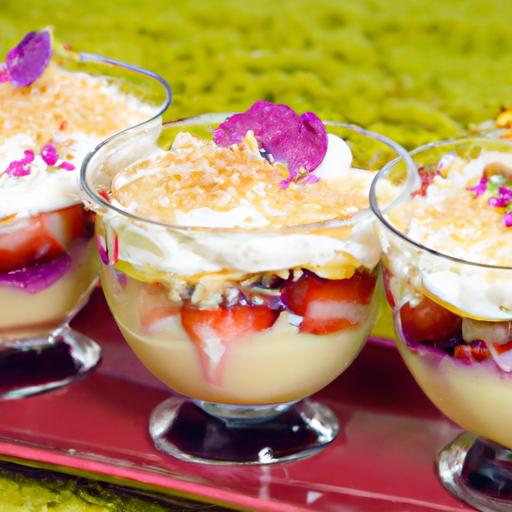
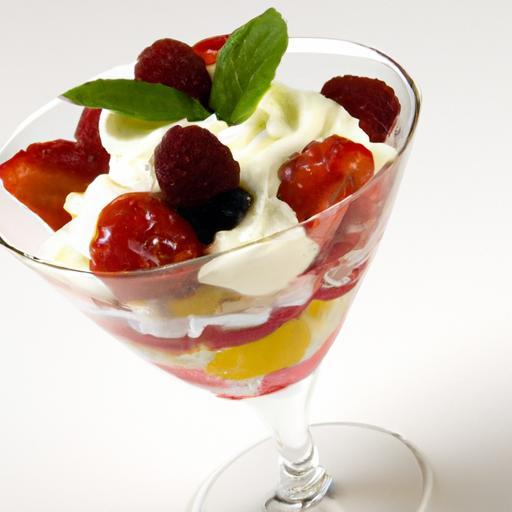
Presentation transforms your trifle into a stunning centerpiece. Use a clear glass trifle bowl or individual glass cups to showcase the vibrant layers-this visual appeal is half the delight. Before serving, chill the trifle thoroughly to allow flavors to meld and textures to set. Garnish with fresh mint leaves, edible flowers, or thin curls of dark chocolate for contrast and sophistication.
Another flair tip: serve with elegant silver spoons or dessert forks alongside a complementary sauce such as a berry coulis or a hint of citrus glaze. Consider pairing with a light, sparkling non-alcoholic beverage to cleanse the palate. Your guests will be enchanted not just by taste, but by the elegant storytelling of every layer and garnish.
Prep and Cook Time
- Prep Time: 25 minutes
- Cook Time: 20 minutes (for custard and jelly preparation)
- Chilling Time: minimum 4 hours (ideally overnight)
Yield
Serves 8 generous portions
Difficulty Level
Medium – requires moderate preparation and attention to layering detail
Ingredients
- 1 sponge cake (about 8-inch round) or 200g ladyfingers, cut into cubes or slices
- 2 cups mixed fresh berries (strawberries, blueberries, raspberries)
- 1 package (85g) fruit-flavored gelatin (e.g., raspberry or blackberry), prepared according to package and cooled but not set
- 2 cups whole milk
- 4 large egg yolks
- 1/2 cup granulated sugar
- 3 tbsp cornstarch
- 2 tsp vanilla extract
- 2 cups heavy cream
- 2 tbsp powdered sugar
- Fresh mint leaves for garnish
- Optional: dark chocolate shavings or edible flowers for decoration
Instructions
- Prepare the jelly: Follow the packet’s instructions, replacing water with fresh fruit juice if desired. Pour into a shallow dish to set partially in the refrigerator while preparing other layers.
- make the custard: In a saucepan, whisk together egg yolks, sugar, and cornstarch until smooth. gradually add milk stirring constantly over medium heat. Cook until thick enough to coat the back of a spoon, about 6-8 minutes. Remove from heat, stir in vanilla, and let cool completely.
- Soon after jelly begins to set but still slightly soft, stir gently to break into small pieces. This will create delightful jelly pockets within the layers.
- Whip the cream: In a chilled bowl, beat heavy cream with powdered sugar until soft peaks form. Keep refrigerated until assembly.
- Layer the trifle: Start with a layer of sponge cake cubes at the bottom of your glass bowl. Using a spoon, drizzle a little cooled jelly or fruit syrup over cake to soak slightly.
- Add a layer of broken jelly pieces, followed by a generous layer of custard. Then scatter a handful of fresh berries evenly across.
- Repeat layers (cake, jelly, custard, fruit) until all ingredients are used, reserving whipped cream for the final layer.
- Top with whipped cream: Spread or pipe the cream smoothly over the surface and decorate with mint leaves and optional chocolate shavings or edible flowers.
- Refrigerate the assembled trifle for at least 4 hours to allow flavors to mingle and textures to set beautifully.
- Serve chilled, presenting with extra fresh berries on the side for more texture contrast.
Chef’s Notes
- For a non-dairy variation, substitute coconut cream for heavy cream and use plant-based milk for custard, thickened with cornstarch.
- To avoid sogginess, soak the sponge lightly and evenly; to much liquid causes mushy layers.
- Prepare custard a day ahead and refrigerate-this deepens flavor and streamlines assembly.
- experiment with fruit combinations based on seasonality and taste-mango, kiwi, or stone fruits add exotic notes.
Serving Suggestions
Serve your trifle in clear glassware to showcase its vibrant, jeweled layers. A scattering of edible flowers or a few fresh mint springs elevate appearance instantly. Pair with a lightly brewed herbal tea or a sparkling fruit mocktail to complement the dessert’s fruity brightness. For a festive touch, add a sprinkle of toasted nuts or a light dusting of cinnamon on the whipped cream to create contrast and warmth.
| Nutrient | Per Serving |
|---|---|
| Calories | 320 kcal |
| Protein | 6 g |
| Carbohydrates | 45 g |
| Fat | 12 g |
Explore more traditional English desserts to continue your culinary journey. For detailed ancient context on traditional desserts, visit Britannica’s trifle entry.

Q&A
Q&A: Trifle Unveiled - A Layered Delight of Taste and Tradition
Q1: What exactly is a trifle?
A1: Trifle is a classic English dessert known for its beautiful layers of flavors and textures. Traditionally, it features a base of sponge cake soaked in a flavored liquid, followed by layers of fruit, custard, and whipped cream. The result is a visually stunning dish that’s as delightful to eat as it is to behold.
Q2: Where did trifle originate?
A2: The origins of trifle trace back to the 16th century in England. Initially simpler, early trifles were more like custards with fruit and sugar. Over time, it evolved into the multi-layered, elegant dessert familiar today, symbolizing celebration and comfort at the English table.
Q3: What are the key layers that make up a traditional trifle?
A3: A classic trifle typically includes four essential layers: sponge cake soaked in fruit juice or cordial, fresh or preserved fruits, rich custard, and a generous topping of softly whipped cream. Some versions introduce jelly (gelatin) to add a shimmering, fruity dimension between the layers.
Q4: Can trifle be adapted for different tastes or occasions?
A4: Absolutely! Trifle is wonderfully versatile. The cake base can be replaced with pound cake,ladyfingers,or even brownies. Fruit varieties can shift with the seasons, embracing berries in summer or spiced apples in autumn. Custard can be infused with flavors like vanilla bean or citrus zest, while the cream layer can be lightened or enriched depending on preference.
Q5: What makes trifle a dessert that stands the test of time?
A5: Trifle’s timeless appeal lies in its harmonious blend of textures-the softness of the cake, the juiciness of fruit, the creaminess of custard, and the airy whipped cream. It’s also a social dessert, often made in large glass bowls that encourage sharing and conviviality at gatherings large and small, embodying both culinary tradition and festive spirit.
Q6: Are there any creative twists on the traditional trifle that are popular today?
A6: Creative modern trifles might feature layers like chocolate mousse, tropical fruits such as mango or passionfruit, or even vegan custards. Some chefs play with spices like cardamom or ginger to add warmth,while others incorporate nuts for crunch or dairy-free creams to suit dietary needs-all while preserving the essence of layered delight.
Q7: How shoudl trifle be served for the best experience?
A7: Trifle is best served chilled, allowing each layer to meld and the flavors to grow more pronounced.Serving it in clear glass dishes highlights its colorful strata, making it as much a feast for the eyes as the palate. Using a large spoon, diners scoop through the layers in delightful harmony, ensuring each bite carries a bit of every component.
Q8: What occasions call for a trifle?
A8: Trifle is a quintessential celebration dessert. It’s popular at holidays, garden parties, birthdays, and any festive gathering that calls for a show-stopping sweet finale. Its communal nature and customizable layers make it an ideal centerpiece for moments where taste, tradition, and togetherness unite.
Q9: Can trifle be prepared in advance?
A9: yes, trifle actually benefits from some time to rest in the refrigerator. Preparing it a few hours or even the day before allows the flavors to meld and the cake to soak perfectly, resulting in an even more luscious experience. Just be mindful to add any delicate toppings like whipped cream shortly before serving to maintain their light texture.
Q10: What cultural importance does trifle hold beyond being a dessert?
A10: Beyond its culinary charm, trifle represents a tapestry of English heritage, embodying the art of layering not just flavors, but memories and traditions. It’s a symbol of generosity and homegrown celebration, a dessert that tells a story with every spoonful-a tribute to time-honored hospitality and the joy of shared sweetness.
In Retrospect
As we draw back the final curtain on our exploration of trifle, we uncover more than just a dessert – we reveal a tapestry woven from history, culture, and flavor. Each luscious layer tells a story, blending the sweet with the spirited, the creamy with the crumbly, and the past with the present. Whether savored at a festive gathering or enjoyed in quiet reflection, trifle remains a timeless celebration of taste and tradition. So next time you lift a spoon to this layered delight, remember: you’re not just indulging your palate, but partaking in a tasty legacy that continues to enchant and inspire.