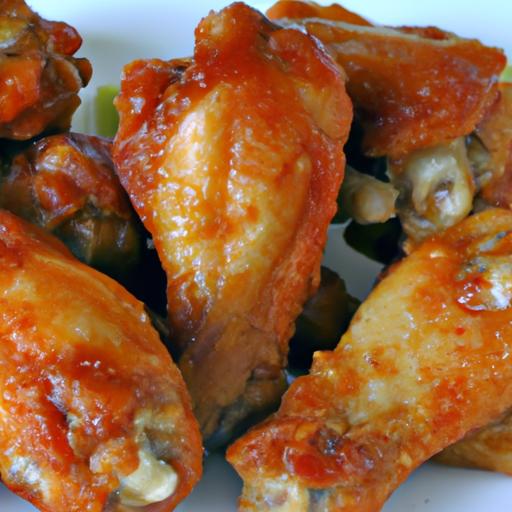

When it comes to guilt-free indulgence, few cravings rival the crispy, savory allure of chicken wings.With their golden, glistening skin and tantalizing variety of sauces, wings have firmly earned their place as a beloved snack – whether you’re cheering on your favorite team or gathering with friends. But beneath that irresistible exterior lies a question often overlooked: just how manny calories are packed into those succulent bites? In this exploration of “Counting Calories: The Truth Behind Chicken Wings Delight,” we peel back the layers of flavor to uncover the nutritional realities hidden in this classic comfort food. Prepare to get the facts straight,separate myth from reality,and discover how to enjoy your wings without sacrificing your health goals.
Counting calories can feel like a daunting task, especially when it comes to indulgent favorites like chicken wings. Yet, understanding the true caloric makeup of your favorite chicken wings is the first step toward enjoying them mindfully without guilt.Whether you’re a fan of crispy baked wings,tender grilled ones,or classic deep-fried delights,the cooking method dramatically influences calorie counts and nutritional balance. Let’s dive into how you can savor every bite while keeping flavor and health perfectly aligned.
Prep and Cook Time
Preparation: 15 minutes
Cooking: 25-30 minutes (variable by method)
Yield
Serves 4 (about 12 wings)
Difficulty Level
Easy to Medium – great for beginners and seasoned cooks alike
Ingredients
- 12 chicken wings (drumettes and flats, separated)
- 1 tablespoon baking powder (aluminum-free, for crispiness)
- 1 teaspoon smoked paprika
- 1 teaspoon garlic powder
- 1 teaspoon onion powder
- ½ teaspoon salt
- ½ teaspoon black pepper
- 2 tablespoons olive oil (or avocado oil)
- Hot sauce or wing sauce of choice, for tossing
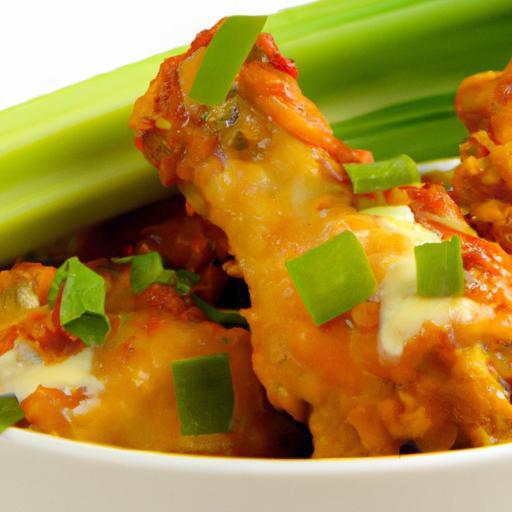
- Optional garnish: chopped fresh parsley or green onions
Instructions
- Pat the chicken wings dry thoroughly with paper towels. Removing excess moisture is crucial for crisp skin.
- In a large bowl, combine baking powder, paprika, garlic powder, onion powder, salt, and pepper. Stir well to integrate all the spices.
- Add the wings to the bowl, drizzle with olive oil, and toss until every piece is evenly coated in the seasoning mix. Baking powder helps achieve a golden, crispy finish without deep frying.
- Arrange the wings in a single layer on a wire rack set over a baking sheet. This allows air circulation for all-around crisping.
- Preheat the oven to 425°F (220°C). Bake wings for 25 to 30 minutes, flipping halfway through, until skin is browned and crisp.
- once cooked, instantly toss the wings in your favorite hot sauce or wing sauce. This seals in flavor and adds zest without excess calories.
- Garnish with chopped fresh parsley or green onions to elevate presentation and freshen the palate.
- Serve hot and enjoy your perfectly balanced wings!
Tips for Success
- Choose baking powder carefully: Use aluminum-free varieties to avoid bitter flavors.
- Dry your wings twice: Pat them dry twice before seasoning to guarantee maximum crispness.
- Opt for healthier oils: Olive or avocado oil adds beneficial fats and a light flavor; avoid heavy fats that add unnecessary calories.
- Marinate for flavor depth: Add a quick marinade with lemon juice and herbs to boost taste without upping calories.
- Make ahead: Wings can be baked and refrigerated, then quickly reheated in a hot oven to retain crispiness.
Balancing Flavor and Nutrition Without Sacrificing Taste
Delicious does not have to mean calorie overload. By baking wings instead of deep frying,you slash fat content while preserving that crackling skin everyone loves. Spices like paprika and garlic powder intensify flavor without adding carbs or fat. Tossing wings lightly in a bright,vinegar-forward hot sauce brings bold taste and helps curb the need for heavy,cream-based dips.
Serving Suggestions
- Pair your wings with celery sticks and low-fat Greek yogurt ranch dip for a classic yet wholesome combo.
- For added texture, sprinkle toasted sesame seeds or crushed chili flakes on top just before serving.
- Serve with a side salad featuring crunchy cucumbers, radishes, and a light lime vinaigrette for refreshing contrast.
- Consider swapping traditional carb-heavy sides with roasted sweet potatoes or cauliflower “fries” to keep your meal well-rounded nutritionally.
| Nutrient | Baked Wings (per wing) | Deep-fried Wings (per wing) |
|---|---|---|
| Calories | 80 kcal | 120 kcal |
| Protein | 7 g | 7 g |
| Carbohydrates | 0.5 g | 1.5 g |
| Fat | 5 g | 9 g |
For more on wholesome cooking techniques, check out our Healthy Baking Techniques guide. To learn about the science behind calorie counts in cooked meats, visit the British Nutrition Foundation.

Q&A
Q&A: Counting Calories – The Truth Behind Chicken Wings Delight
Q1: Are chicken wings really as calorie-packed as people say?
A1: Chicken wings often get a bad rap for being calorie-dense, but the truth is, it depends on how they’re prepared. A plain, roasted wing without the skin is relatively moderate in calories, but once you add sauces, frying, and extra coatings, the calorie count soars. For example, a typical fried wing with buffalo sauce can easily approach or exceed 100 calories per piece, while a baked wing with a light seasoning might be closer to 50-70 calories.
Q2: How much does the cooking method impact the calorie content of chicken wings?
A2: The cooking method is a game changer. deep-frying wings adds a notable amount of fat and calories compared to baking or grilling. Frying causes the wings to absorb oil, increasing the calorie count.Baking or grilling allows fat to drip away and requires little to no added oil, making these methods lighter options without sacrificing flavor.
Q3: What about the sauces? How do they affect the calorie count?
A3: Sauces can be sneakily calorie-heavy. Classic buffalo sauce, made from butter and hot sauce, adds fat and calories, while creamy ranch or blue cheese dressings served alongside wings are even more calorie-intensive. Lighter alternatives like hot sauce mixed with a splash of lemon juice or vinegar introduce flavor without excessive calories.
Q4: Is it better to remove the skin to reduce calories?
A4: The skin of a chicken wing is where much of the fat is stored, so removing it does lower the calorie and fat content substantially. However, the skin also helps keep the meat moist during cooking and adds flavor. If you’re calorie-conscious, eating skinless wings or limiting the amount of skin you eat can definitely help manage intake without giving up on the wing experience entirely.
Q5: Can chicken wings fit into a balanced diet without ruining your calorie goals?
A5: Absolutely! Portion control is key. Enjoying wings as an occasional treat within your daily calorie needs is perfectly fine. Pairing wings with nutrient-rich veggies like celery and carrot sticks helps balance the meal. Choosing cooking methods like baking or grilling, and opting for lighter sauces, keeps wings delightfully within reach for most diets.
Q6: Are there healthier ways to enjoy the flavor of chicken wings?
A6: Yes! Experimenting with dry rubs made from herbs and spices, such as smoked paprika, garlic powder, cayenne, and black pepper, can provide a flavorful punch with little to no added calories. Using yogurt-based dips rather of creamy dressings can also add creaminess with fewer calories.
Q7: How do restaurant chicken wings compare to homemade ones in terms of calories?
A7: Typically, restaurant wings are higher in calories because they’re often deep-fried and served with rich, buttery sauces or creamy dips. Homemade wings give you control over ingredients, cooking methods, and portion sizes, allowing you to enjoy wings more healthfully and tailor them to your calorie goals.
Q8: Does the size of chicken wings vary calorie content significantly?
A8: Indeed. Larger wings naturally contain more meat and fat, thus more calories. when counting calories, it’s helpful to weigh or estimate portion size so that you don’t unintentionally consume more than planned. Whether you prefer drumettes or flats, keeping an eye on quantity is essential.Q9: What role do side dishes play in the overall calorie intake of a chicken wing meal?
A9: side dishes can either tip the scale toward calorie overload or keep the meal balanced. Typical sides like fries or cheesy dips add calories quickly. opting for fresh vegetables, salads, or light grains ensures your chicken wing delight stays a part of a wholesome, well-rounded meal.
Q10: What’s the best tip for someone wanting to enjoy chicken wings without overindulging?
A10: Savor the experience mindfully. Choose quality over quantity, savor the crispness and spice, and complement wings with fresh, fiber-rich sides.Cooking your own wings lets you control every calorie, and moderation makes sure this iconic comfort food remains a guilt-free pleasure.
In Summary
chicken wings remain a beloved indulgence that can fit into a balanced lifestyle-if you know what’s on your plate.Counting calories isn’t about stripping away all the joy, but about understanding the delicious details behind each crispy bite. So next time you reach for that wing platter, savor the flavor with a little insight, turning every drumette into a mindful delight rather than a guilty secret. After all, the truth behind chicken wings is that with knowledge comes both satisfaction and smart choices.