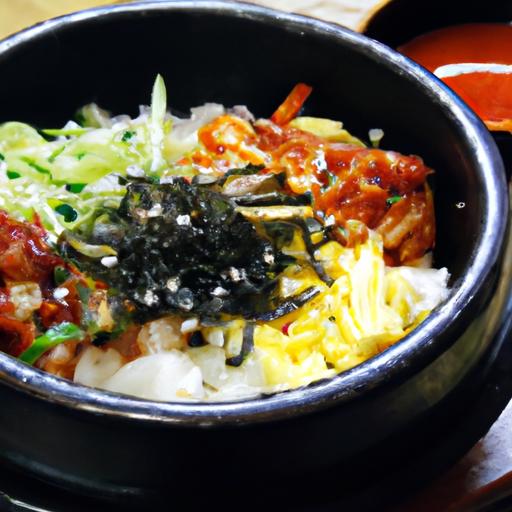

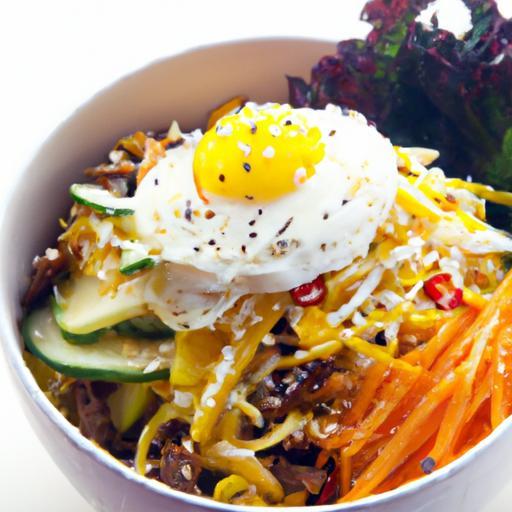
In the vibrant tapestry of Korean cuisine, rice bowls stand out as humble yet unusual vessels of flavor and culture. Each bite of a Korean rice bowl is more than just a meal-it’s a journey through centuries of tradition, a harmony of textures and tastes that tell stories of the land, the seasons, and the hands that prepare them. From the sizzling depths of bibimbap to the comforting warmth of gukbap, these bowls invite food lovers to explore a world where simplicity meets complexity, and every ingredient plays a vital role in creating a symphony of flavor. Join us as we dive into the rich and colorful world of Korean rice bowls, uncovering the secrets behind thier enduring popularity and savoring the vibrant spirit of Korea in every mouthful.
korean rice bowls capture a unique blend of tradition and vibrant flavors that have been perfected over centuries. This beloved culinary staple showcases the harmony of fresh, bold ingredients layered over steaming white rice, creating a delightful balance of textures and tastes in every bite. From street food stalls in Seoul to home kitchens worldwide, Korean rice bowls represent an accessible yet deeply satisfying way to experience authentic Korean cuisine.
Prep and Cook Time
- Prep Time: 20 minutes
- Cook Time: 25 minutes
- Total Time: 45 minutes
Yield
- Serves 4 generous portions
Difficulty Level
- Medium – ideal for home cooks ready to experiment with layering flavors and textures
Ingredients
- 2 cups short-grain white rice,rinsed and drained
- 1 tbsp toasted sesame oil
- 1 cup baby spinach,blanched and squeezed dry
- 1 medium carrot,julienned
- 1 cup shiitake mushrooms,sliced
- 2 cloves garlic,minced
- 1 tbsp soy sauce (or tamari for gluten-free)
- 1 tsp sugar
- 1 tbsp gochujang (Korean chili paste)
- 4 eggs,sunny-side up
- 2 green onions,finely sliced
- 1 tsp toasted sesame seeds
- 1 cucumber,thinly sliced
- 1 sheet toasted nori (seaweed),cut into strips
Instructions
- Cook the rice: Place rinsed rice in a rice cooker with 2 1/4 cups water,cook according to your appliance’s instructions for perfectly tender,sticky rice.
- Sauté mushrooms: Heat 1 tbsp sesame oil in a skillet over medium heat.Add minced garlic and shiitake mushrooms, cooking until mushrooms are golden brown and fragrant, about 5 minutes. Stir occasionally to prevent sticking. season with soy sauce and sugar.remove from heat and set aside.
- Prepare vegetables: Blanch baby spinach in boiling water for 30 seconds, then plunge into ice water, drain, and squeeze dry. Toss spinach with a pinch of salt and 1 tsp sesame oil. Keep carrots and cucumber fresh and crisp for layering.
- Make the gochujang sauce: In a small bowl, mix gochujang with a splash of water or soy sauce to thin it slightly for easy drizzling.
- Cook eggs: In a clean skillet, fry eggs sunny-side up with slightly runny yolks.This adds richness and moisture to the bowl.
- Assemble the bowls: Divide cooked rice into four bowls. Neatly arrange spinach, sautéed mushrooms, julienned carrot, cucumber slices, and nori strips on top of the rice.
- Top with egg: Gently place one sunny-side up egg on each bowl.
- Garnish and serve: Drizzle each bowl with the gochujang sauce and sprinkle with sesame seeds and green onions for a burst of color and flavor. Serve immediately, encouraging mixing before eating for an even distribution of tastes and textures.
Tips for Success
- Rice choice matters: Opt for short-grain or sushi rice to achieve that ideal sticky texture essential for authentic Korean rice bowls.
- Vegetable variance: Feel free to swap spinach with kale or bok choy for a different green or use enoki mushrooms for a delicate twist.
- Mild spice alternative: Adjust the gochujang quantity to your heat preference, or mix in a little honey to temper the spice.
- Make-ahead: Prepare all vegetables and mushrooms a day ahead; store separately in airtight containers for quick assembly after cooking rice fresh.
- protein boost: Substitute eggs with grilled tofu or marinated chicken breast for added variety while keeping flavors vibrant.
Serving Suggestions
Present your Korean rice bowl with a small bowl of kimchi on the side and a refreshing green tea or barley tea to cleanse the palate. For healthy crunch and bursts of acidity, add pickled radish or kimchi radish slices as garnishes. A wooden spoon encourages mixing all components together, delivering an explosion of flavor in every bite.

| Nutrient | Per Serving |
|---|---|
| Calories | 420 kcal |
| Protein | 15 g |
| Carbohydrates | 62 g |
| Fat | 10 g |
For a deeper dive into perfectly balancing korean flavors and techniques, explore our guide on Korean side dishes. Learn from the official Maangchi bibimbap recipe for additional inspiration and classic variations.
Q&A
Q&A: Korean Rice Bowls – A Flavorful Journey in Every Bite
Q1: What exactly is a Korean rice bowl?
A1: A Korean rice bowl, or bibimbap in its most famous form, is a vibrant dish that combines a bed of steamed rice with a harmonious array of seasoned vegetables, proteins, and flavorful sauces.It’s a delightful mix that’s both visually stunning and bursting with texture and taste-truly a journey with every bite.
Q2: Why are Korean rice bowls so popular worldwide?
A2: Beyond their delicious taste, Korean rice bowls are beloved for their balance of nutrition, aesthetics, and versatility. They bring together a rainbow of ingredients-crispy, soft, tangy, and spicy-all in one bowl. this makes for a satisfying, comforting meal that caters to various dietary preferences and occasions.
Q3: what are some common ingredients found in Korean rice bowls?
A3: Staples include fluffy white or multigrain rice, sautéed spinach, julienned carrots, fragrant mushrooms, crunchy cucumbers, and tender marinated beef, chicken, or tofu. Toppings often feature a sunny-side-up egg and a dollop of gochujang-a spicy, sweet fermented chili paste that ties the dish together.
Q4: Can Korean rice bowls be made vegetarian or vegan?
A4: Absolutely! Korean rice bowls shine in their adaptability. For plant-based versions, swap the meat for tofu, tempeh, or mushrooms, and load up on fresh veggies and kimchi. The bold flavors of gochujang and sesame oil ensure that even a vegan rice bowl sings with savory umami.
Q5: What makes gochujang so special in these bowls?
A5: Gochujang is the heartbeat of many Korean rice bowls. this fermented chili paste brings a complex blend of heat, sweetness, and depth. Its rich umami flavor elevates every ingredient, making every bite an exciting explosion of taste that lingers pleasantly on the palate.
Q6: How do Korean rice bowls capture the essence of Korean cuisine?
A6: Korean cuisine is all about harmony-balancing sweet, salty, sour, and spicy elements in one meal. Rice bowls embody this perfectly by layering contrasting textures and flavors while honoring fresh, seasonal ingredients. The mindful planning and vibrant presentation reflect the Korean culinary ideology of nourishment and beauty.
Q7: What is the best way to enjoy a Korean rice bowl?
A7: The secret lies in mixing it up! Before you take a bite, stir the ingredients and sauce together so every morsel is infused with flavor. This blend of textures and tastes is what makes each spoonful a unique and delightful experience-like a mini adventure in a bowl.
Q8: Are Korean rice bowls suitable for quick meals?
A8: Yes! Despite their seemingly elaborate appearance, these bowls are fantastic for speedy preparation, especially if you prepare ingredients in advance or use leftover veggies and proteins. They strike the perfect balance between convenience and nutrient-rich satisfaction.
Q9: How can someone new to Korean food start exploring rice bowls?
A9: Start with the classic bibimbap-available in many Korean restaurants and easy to recreate at home. Experiment with your favorite veggies and protein, and don’t shy away from adding gochujang or a drizzle of sesame oil. soon,you’ll discover your own signature bowl that brings a flavorful journey to your daily table.
Q10: Can Korean rice bowls be customized for different flavor preferences?
A10: Definitely! Whether you crave extra spice, more crunch, or a hint of sweetness, these bowls welcome creativity. From swapping gochujang for a milder sauce to adding pickled radishes or toasted seaweed, the possibilities are endless-each twist crafting a new story in every bite.
Closing Remarks
As the final grains settle in your bowl, it becomes clear that Korean rice bowls are much more than a meal-they are a vibrant tapestry of culture, history, and flavor woven together with every ingredient. Each bite tells a story of tradition and innovation, inviting you to explore the nuanced layers of Korea’s rich culinary heritage. Whether piled high with marinated meats, vivid vegetables, or a perfectly fried egg, these bowls remind us that food is not just sustenance but a flavorful journey waiting to be savored. So next time you crave something both comforting and exciting, let a Korean rice bowl guide your taste buds on their next adventure.