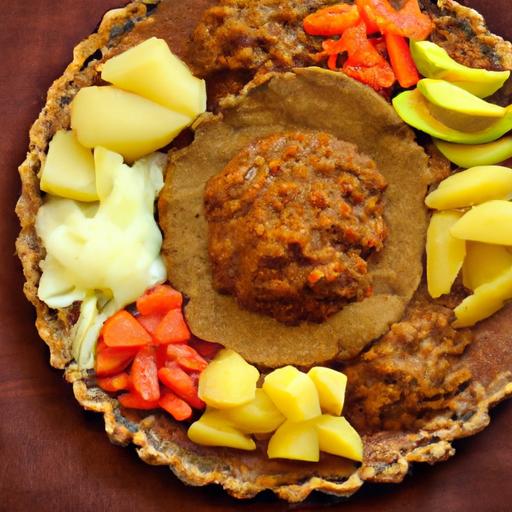

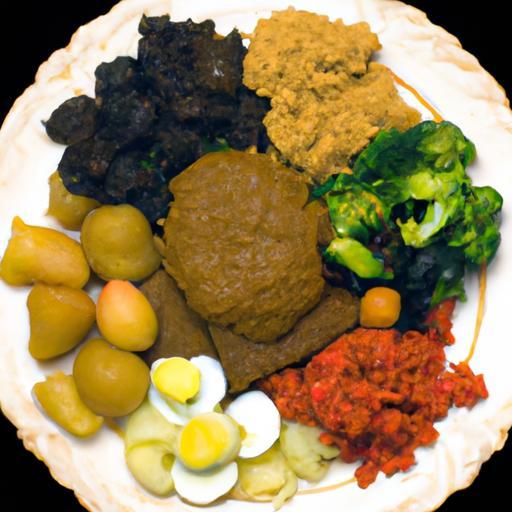
In the vibrant tapestry of Ethiopian cuisine, few dishes capture the soul of a culture quite like injera paired with doro wat. This iconic duo is more then just a meal-it is a festivity of history, community, and centuries-old culinary artistry. Savoring tradition through the soft,spongy injera and the rich,aromatic doro wat is an invitation to experience a story told in flavors,textures,and time-honored techniques. Join us as we explore the art behind this beloved feast, uncovering the delicate balance of ingredients and the rituals that transform simple staples into a delicious emblem of Ethiopian heritage.
Savoring Tradition: The Art of Injera with Doro Wat Delight
Savoring tradition means embracing the unique flavors and deep cultural roots found within Ethiopian cuisine, where injera and doro wat create an unusual culinary harmony. Originating from the Horn of Africa, injera is more than just a flatbread-it’s a symbol of community and sustenance, its tangy, spongy texture perfectly balancing the rich, aromatic spices of doro wat, a beloved chicken stew.
Prep and Cook Time
- Injera Fermentation: 2-3 days
- Cooking Injera: 1 hour
- Preparing Doro Wat: 1.5 hours
- Total Time: approximately 4.5 hours (includes fermentation)
Yield
Serves 6-8 people generously-perfect for sharing in true Ethiopian style.
Difficulty Level
Medium – mastering the delicate balance of fermentation and spice layering requires patience but is immensely rewarding.
Ingredients
- For Injera:
- 3 cups teff flour (whole grain preferred)
- 3 cups water
- Pinch of salt
- For Doro Wat:
- 2.5 lbs chicken drumsticks or thighs, skin removed
- 3 large yellow onions, finely chopped
- 4 cloves garlic, minced
- 2 tbsp ginger, freshly grated
- 3 tbsp berbere spice mix (adjust to taste)
- 1/4 cup niter kibbeh (Ethiopian spiced clarified butter) or unsalted butter as substitute
- 1 cup chicken broth
- 2 hard-boiled eggs (optional but customary)
- Salt and black pepper to taste
Instructions
- Prepare the injera Batter: In a large bowl, whisk together the teff flour and water until smooth. Cover loosely with a cloth and set aside at room temperature to ferment for 48-72 hours. You’ll know it’s ready when it develops a slightly sour aroma and small bubbles appear on the surface.
- Cook Injera: Heat a large non-stick or traditional clay griddle over medium-high heat. Stir the batter gently, then pour a ladleful onto the hot surface, swirling to create a thin, even circle about 10-12 inches in diameter. Cover immediately with a lid and cook for 2-3 minutes, or until holes appear and the surface looks dry.Avoid flipping; injera cooks on one side only. Remove carefully and place on a clean cloth to cool. Repeat until all batter is used.
- Begin the Doro Wat Base: In a heavy-bottomed pot, sauté chopped onions over medium heat without oil, stirring frequently, for 10-15 minutes until deeply caramelized but not burnt. This step builds the essential depth of flavor.
- Add Butter and Aromatics: Stir in niter kibbeh, garlic, and ginger. Allow the fragrant mixture to cook for 2 minutes,then add the berbere spice,stirring constantly to toast the spice without burning,approximately 1 minute.
- Incorporate Chicken: Add the chicken pieces, stirring to coat them evenly with the spice mixture. Sauté for 10 minutes, occasionally stirring so the chicken browns lightly on all sides.
- Add Broth and Simmer: Pour in the chicken broth, cover, and reduce to low heat. Let it simmer gently for 45-60 minutes until the chicken is tender and the stew thickens. stir occasionally to prevent sticking.
- season and Finish: Season with salt and pepper to taste. If using, gently add the peeled hard-boiled eggs into the stew during the last 10 minutes to absorb the flavors.
- Rest and Prepare to Serve: Once cooked, let the stew rest briefly off the heat to meld the spices beautifully.
Tips for Success
- Fermentation fluctuations: Teff flour’s natural yeasts can vary; if the batter smells unpleasant rather of pleasantly sour, discard and start fresh.
- Alternative Flour Blends: If teff flour is unavailable, try mixing sorghum or rice flour with a pinch of baking powder, but true injera texture demands teff.
- Niter Kibbeh Substitute: Use unsalted butter with a pinch of fenugreek and cardamom to mimic the aromatic profile.
- Managing spice Heat: Berbere can be fiery. Start with less and adjust gradually to your spice tolerance.
- Make-Ahead: Injera keeps wrapped at room temperature for one day or refrigerated for up to 3 days, while doro wat tastes even better the next day after resting.
serving suggestions to Elevate Your Injera experience
Layer the warm injera onto a large serving platter,overlapping each piece with a few inches of space. Spoon generous mounds of doro wat in the center. Use additional injera as your edible utensil-tear off pieces, scoop the stew, and savor the interplay of tangy bread and spicy stew. Garnish with fresh chopped cilantro and a wedge of lemon for brightness.
Offer an array of traditional Ethiopian side dishes such as atkilt wat (spiced cabbage and carrots) or timatim salad (tomato and onion salad) to provide balance and color contrast on your table.
| Nutrition | Per Serving |
|---|---|
| Calories | 450 kcal |
| Protein | 35 g |
| carbohydrates | 40 g |
| Fat | 15 g |

For deeper insights on traditional ethiopian spices and their health benefits, explore Britannica’s overview of Ethiopian cuisine. Also, check our related recipe for Ethiopian Vegetarian Sambusas to complement your meal beautifully.
Q&A
Q&A: Savoring Tradition: The Art of Injera with Doro Wat Delight
Q1: What makes injera such a special staple in Ethiopian cuisine?
A1: Injera is more than just a flatbread-it’s a living, breathing canvas that carries the soul of Ethiopian culture.Made from teff flour, its unique spongy texture and tangy flavor come from natural fermentation, which can take several days. This fermentation not only adds depth to its taste but also imbues injera with healthful probiotics. Traditionally,injera serves as both plate and utensil,inviting diners to scoop up stews and juices with their hands,creating an intimate and communal dining experience.
Q2: How is injera traditionally prepared,and why is teff flour essential?
A2: The preparation of injera is a labor of love. Teff, a tiny ancient grain native to Ethiopia, is ground into flour and mixed with water to create a batter. This batter ferments for two to three days, developing a slightly sour aroma. Once ready, it’s poured onto a large, flat skillet called a mitad, where it cooks into a delicate, bubbly flatbread. Teff flour gives injera its characteristic elasticity and nutty flavor, as well as crucial nutritional benefits, including protein, fiber, and iron.
Q3: What is Doro Wat, and why is it considered a quintessential Ethiopian dish?
A3: Doro Wat is a rich, spicy chicken stew ofen referred to as the crown jewel of Ethiopian cuisine. The dish derives its robust flavor from berbere-a complex spice blend of chili peppers, garlic, ginger, and warm spices like cinnamon and cloves. Slow-cooked with tender chicken, onions, and hard-boiled eggs, Doro Wat offers a harmonious balance of heat and depth, making it a festive favorite especially during holidays and celebrations.
Q4: How do injera and Doro Wat complement each other on the plate?
A4: The shining, slightly sour tang of injera provides a perfect foil to the deep, fiery richness of Doro Wat. When torn and dipped into the stew, injera absorbs the flavorful sauce, softening further while adding a subtle acidity that beautifully balances the dish’s spice and umami. Together, they create a satisfying synergy that is both hearty and refreshing-comfort food elevated through tradition.
Q5: Can you describe the communal tradition behind sharing injera and Doro Wat?
A5: ethiopian meals are often a communal and celebratory affair, centered around a large injera spread atop a shared platter. Friends and family gather around,tearing pieces of injera with their right hand to scoop up generous portions of Doro Wat and other stews. This practice fosters connection and conversation-a tangible expression of hospitality and unity. Sharing food this way honors centuries of cultural heritage while nourishing both body and spirit.
Q6: Are there modern twists on injera and Doro Wat that still respect the tradition?
A6: Absolutely! While the classic preparation remains beloved, chefs and home cooks alike experiment with whole grain teff blends or infuse injera batter with herbs for subtle variations.Some pair Doro Wat with alternative proteins such as lentils or mushrooms to accommodate diffrent dietary preferences, without sacrificing the hallmark spice profile. These innovations keep the essence alive, inviting new generations to appreciate and adapt this culinary art.
Q7: What are some tips for someone attempting to make injera and Doro Wat at home for the first time?
A7: Patience is key! For injera, allow ample time for the batter to ferment to achieve that signature tang. Use a non-stick skillet or a dedicated mitad if possible, and pour the batter thinly in a spiral for an even cook. For Doro Wat, slow-cooking the onions until caramelized before adding spices creates a rich base.Lastly, don’t shy away from layering the berbere spice gradually to balance heat and flavor. Embrace the messiness-it’s part of the joyous process!
This Q&A captures the essence of savoring Ethiopian tradition through the artful pairing of injera and Doro Wat, inviting readers to explore the gorgeous textures, flavors, and cultural heritage behind each bite.
The Way Forward
As the rich aroma of spiced berbere fades and the last morsel of tender chicken is savored, we find that Injera with Doro Wat is more than just a meal-it is a vibrant narrative of culture, history, and communal warmth. This timeless Ethiopian duo invites us to slow down, share stories, and connect through the art of eating with hands and hearts wide open. In embracing these flavors and traditions, we don’t just taste a dish-we partake in a living heritage, one bite at a time. So next time you break Injera and dip into that luscious Doro Wat,remember: you’re savoring a story centuries in the making,a true feast of tradition.