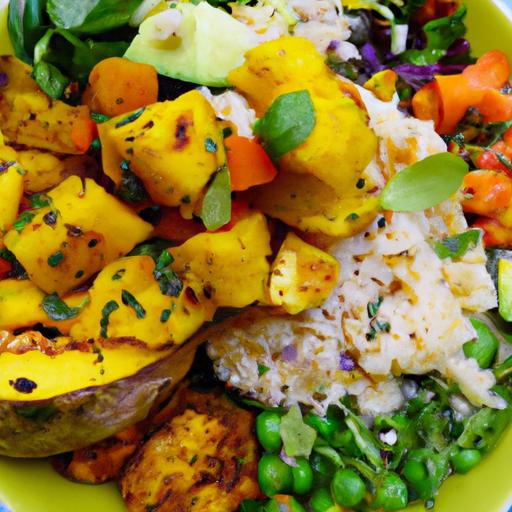

In a world where vibrant flavors meet wholesome nourishment, the vegan Buddha bowl stands out as a true culinary masterpiece. Bursting with color and brimming with nutrients, these bowls offer a harmonious blend of fresh vegetables, hearty grains, and plant-based proteins that not only delight the palate but also fuel the body. Whether you’re a seasoned vegan or simply seeking a flavorful way to eat more plants, nourishing vegan Buddha bowls provide an easy, customizable, and visually stunning meal option. Dive into the art of assembling these vibrant dishes, and discover how simplicity and creativity can transform your mealtime into a celebration of health and vitality.
Nourishing vegan buddha bowls come alive when you start with a vibrant foundation of wholesome grains and crisp greens. These elements create a colorful, nutritious canvas, inviting layers of plant-powered proteins and bold, homemade dressings that truly elevate every bite. Combining fresh textures and punchy flavors transforms a simple bowl into a feast for the senses-perfectly balanced, visually striking, and utterly satisfying.
Prep and Cook Time
- Readiness: 20 minutes
- Cook Time: 30 minutes
- Total Time: 50 minutes
Yield
- serves 4 generous portions
Difficulty Level
- Easy – approachable for all skill levels
Ingredients
- Base Layers:
- 1 cup quinoa,rinsed
- 2 cups vegetable broth (low sodium)
- 4 cups baby kale or mixed salad greens,washed and dried
- Plant-Powered Proteins:
- 1 ½ cups cooked chickpeas,drained and rinsed
- 1 cup firm tofu,cubed and lightly pressed
- ½ cup edamame,shelled and steamed
- Homemade dressing:
- 3 tbsp tahini
- 2 tbsp fresh lemon juice
- 1 tbsp maple syrup
- 1 tsp smoked paprika
- ½ tsp garlic powder
- Salt and black pepper to taste
- 3-4 tbsp water to thin
- Fresh Toppings & Crunch:
- 1 small carrot,julienned
- ½ cup purple cabbage,thinly sliced
- ¼ cup toasted pumpkin seeds
- 1 tbsp fresh cilantro,chopped
Instructions
- Cook the quinoa: In a medium saucepan,bring the vegetable broth to a boil. Add rinsed quinoa, reduce heat to low, cover, and simmer gently for 15 minutes or until all liquid is absorbed. Remove from heat and fluff with a fork. Let cool slightly.
- Prepare the tofu: In a non-stick pan over medium heat, lightly sauté the tofu cubes for about 5-7 minutes, turning occasionally until golden on all sides. For extra flavor,sprinkle a pinch of salt and pepper while cooking.
- Steam the edamame: Place shelled edamame in a steamer basket over boiling water, cover, and steam for 5 minutes until tender but vibrant green. Set aside.
- Mix the dressing: Whisk tahini,lemon juice,maple syrup,smoked paprika,and garlic powder in a small bowl. Gradually add water, stirring until the dressing reaches a smooth, drizzle-friendly consistency. Adjust salt and pepper to taste.
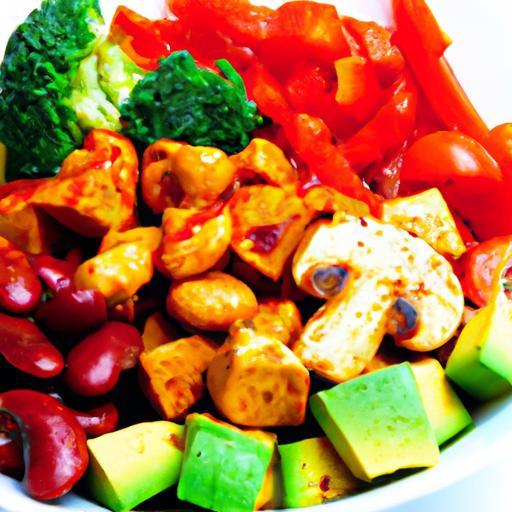
- Assemble the bowls: Divide the quinoa evenly between four bowls as the nourishing base. Top with baby kale, chickpeas, sautéed tofu, steamed edamame, carrot, and cabbage. Drizzle each bowl generously with the homemade tahini dressing.
- Finish with texture and color: Scatter toasted pumpkin seeds and fresh cilantro on top for that final layer of crunch and vibrancy. Serve promptly for the best texture contrast.
Tips for Success
- Quinoa tip: To avoid bitterness, always rinse quinoa thoroughly before cooking.
- Protein swap: Replace tofu with tempeh or lentils if preferred, ensuring similar protein balance.
- Make ahead: Cook grains and proteins in advance; store separately to keep textures fresh when ready to serve.
- Dressing variations: Add fresh herbs like dill or parsley or a hint of cayenne for extra zing.
- Crunch alternatives: Use sliced almonds or toasted sunflower seeds if pumpkin seeds are unavailable.
Serving Suggestions
Serve your nourishing vegan buddha bowl in a wide, shallow bowl to showcase all the colorful layers. Accompany with warm pita bread or crispy roasted chickpeas on the side for added heartiness. Garnish with a wedge of lemon for an extra citrus burst, and a sprinkle of nutritional yeast for a cheesy umami boost.
| Nutrient | Per Serving |
|---|---|
| Calories | 420 kcal |
| Protein | 22 g |
| Carbohydrates | 48 g |
| Fat | 12 g |

Discover more vibrant vegan ideas like this in our Plant-Based Power Bowls collection, and learn the science behind nutrient-packed meal prep with this comprehensive guide from The Nutrition Society.
Q&A
Q&A: Nourishing Vegan Buddha Bowls – Colorful, Healthy & easy
Q1: What exactly is a vegan Buddha bowl?
A: A vegan Buddha bowl is a vibrant, nutrient-packed meal that typically features a harmonious blend of whole plant-based ingredients. Think grains, legumes, fresh vegetables, leafy greens, nuts or seeds, and a flavorful dressing-all served together in one bowl. The key is balance: an inviting mix of colors, textures, and tastes that nourish both body and soul.
Q2: Why are Buddha bowls considered healthy?
A: Buddha bowls are a powerhouse of nutrition! They’re loaded with fiber, protein, vitamins, minerals, and healthy fats. because they combine a variety of whole foods-like quinoa, chickpeas, kale, avocado, and seeds-they support sustained energy, gut health, and overall well-being. Plus, the colorful veggies mean you’re getting a rainbow of antioxidants and phytonutrients.
Q3: Can Buddha bowls be customized to suit different tastes or dietary needs?
A: Absolutely! The beauty of Buddha bowls lies in their adaptability. Whether you crave spicy, tangy, creamy, or crunchy, you can tailor every bowl to your preferences. Swap in your favorite grains (brown rice, millet, or farro), rotate seasonal veggies, or change up the dressings-from tahini to citrus vinaigrettes-for endless variety.
Q4: What are some easy ingredients to keep on hand for fast Buddha bowls?
A: Stocking your kitchen with versatile staples makes assembling buddha bowls a breeze. Ready-to-use ingredients include cooked quinoa or brown rice, canned or cooked beans like black beans or lentils, fresh greens like spinach or arugula, crunchy veggies such as shredded carrots and cucumber, and healthy fats like avocado and roasted pumpkin seeds. Don’t forget a simple homemade dressing made with lemon juice, olive oil, and herbs!
Q5: How can I make my Buddha bowl more filling and balanced?
A: To create a satisfying bowl, aim for three essential components: complex carbs, plant-based protein, and healthy fats. Start with a base like whole grains or sweet potatoes, add beans, tofu, or tempeh for protein, and include a source of fats such as avocado or tahini. Adding crunchy elements like nuts or seeds also contributes to satiety and texture.
Q6: Are Buddha bowls only for lunch or dinner?
A: Not at all! Although they’re popular as hearty lunch or dinner options, Buddha bowls can be adapted for any meal. For breakfast,try a sweet version with oats,fresh fruit,nuts,and a drizzle of nut butter. The concept is versatile-anytime you want a nourishing, colorful bowl, Buddha bowls have your back.
Q7: How do I keep Buddha bowls fresh if I want to meal prep?
A: Grate question! The trick is to keep ingredients separate until mealtime. store cooked grains and beans in airtight containers, keep leafy greens crisp by wrapping them in a paper towel inside a sealed bag, and save wet ingredients like dressings or sliced avocado for last minute. When ready to eat, simply assemble your bowl and enjoy the vibrant freshness.
Q8: Can Buddha bowls help with mindful eating?
A: Definitely! Preparing and eating a Buddha bowl encourages you to connect with your food. the visual appeal of colorful ingredients invites appreciation and slows the eating process. This mindful approach enhances digestion, satisfaction, and helps cultivate a deeper relationship with what nourishes you.
Q9: What dressing ideas complement vegan Buddha bowls?
A: Dressings make every bowl sing! Simple and delicious options include lemon-tahini sauce,creamy avocado-lime dressing,miso-ginger vinaigrette,or a roasted red pepper puree. Experiment with herbs, garlic, mustard, or maple syrup to find a flavor profile that delights your palate.
Q10: Where does the term “Buddha bowl” come from?
A: While its origin isn’t precisely documented,the name “Buddha bowl” is thought to refer to the idea of a balanced,harmonious meal that’s as full and rounded as a Buddha’s belly-symbolizing abundance,contentment,and wholesome nourishment.It reflects the intention behind creating a meal that feeds your body and feeds your spirit.
Insights and Conclusions
As you embark on your journey of creating vibrant, nourishing vegan Buddha bowls, remember that each colorful ingredient is more than just a feast for the eyes-it’s a powerful source of health and happiness. These bowls invite you to savor nature’s bounty in its most wholesome form, combining simplicity with creativity to fuel your body and inspire your palate. Whether you’re a seasoned plant-based eater or simply curious, crafting these easy, nutrient-packed meals can transform everyday dining into a joyful ritual of wellness. So gather your favorite greens, grains, and toppings, and let your bowl become a canvas for vibrant nourishment-colorful, healthy, and utterly delicious.