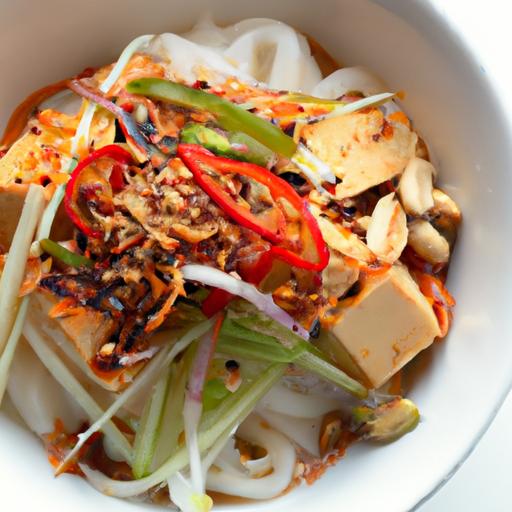

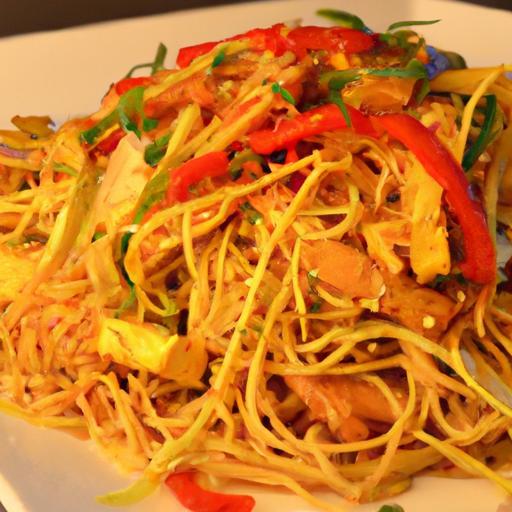
There’s a certain magic in a bowl that brings together the rich, creamy essence of coconut, the bold warmth of aromatic spices, and the vibrant freshness of garden-fresh ingredients. enter the coconut curry noodle bowl-a symphony of flavors and textures that transports your taste buds to tropical shores with every spoonful. Whether you’re a seasoned home cook or an adventurous foodie, crafting the perfect coconut curry noodle bowl is an art worth mastering. In this article,we’ll guide you through the secrets of balancing sweetness,heat,and umami to create a dish that’s as comforting as it is exhilarating. Prepare to savor the flavors and elevate your culinary repertoire with this irresistibly tasty bowl of goodness.
Savor the Flavors begins the culinary journey with a luscious coconut curry noodle bowl that promises both comfort and exotic vibrancy in every spoonful. This dish, a harmonious blend of creamy coconut milk, aromatic spices, and tender noodles, invites you to explore Southeast Asian-inspired flavors crafted thoughtfully to elevate your home dining experience. Whether it’s the silky broth that warms the soul or the intricate layering of spices that dances on your palate, this recipe masterfully balances indulgence and freshness with every bite.
Prep and Cook Time
- Preparation: 20 minutes
- Cooking: 25 minutes
- Total Time: 45 minutes
Yield
Serves 4 generous portions
Difficulty Level
Medium – approachable for home cooks pleasant with layering flavors and managing multiple components
ingredients
- 1 can (14 oz) full-fat coconut milk, well shaken
- 2 tbsp vegetable oil or coconut oil
- 1 large yellow onion, finely chopped
- 3 cloves garlic, minced
- 1 tbsp fresh ginger, grated
- 2 tbsp red curry paste (adjust for spiciness)
- 1 tbsp turmeric powder
- 1 tsp ground coriander
- 1 tsp ground cumin
- 1 tbsp light soy sauce or tamari
- 1 tbsp brown sugar or coconut sugar
- 3 cups vegetable broth or water
- 200g fresh rice noodles or your preferred noodle (see notes)
- 1 cup snap peas, halved
- 1 cup shredded carrots
- 1 cup fresh bean sprouts
- 1/2 cup fresh cilantro, chopped
- 2 tbsp chopped green onions
- 1 lime, cut into wedges
- Optional: sliced fresh chili or chili flakes for garnish
Instructions
- Prepare the coconut milk base: In a large pot over medium heat, warm the oil until shimmering. Add the finely chopped onion and sauté until translucent and soft, about 5-6 minutes, stirring occasionally to prevent browning.
- Add aromatics: Stir in the garlic and ginger. Cook for 1-2 minutes until fragrant, ensuring not to let the garlic burn.
- Bloom the spices: Mix in the red curry paste, turmeric, coriander, and cumin. Cook for another 2 minutes, stirring frequently to release the essential oils and aromatic complexity.
- Create the curry broth: Slowly pour in the coconut milk, stirring to combine. Add the vegetable broth, soy sauce, and brown sugar. Bring the mixture to a gentle simmer, allowing the flavors to meld beautifully over 10 minutes.Taste and adjust seasoning.
- Prepare noodles and vegetables: While the broth simmers, soak or cook your fresh noodles according to package instructions until tender but still firm. Drain and set aside. Lightly blanch the snap peas in boiling water for 1 minute, then transfer to ice water to retain crunch and vivid color.
- Assemble the bowl: divide the noodles evenly among serving bowls. Ladle the hot coconut curry broth generously over the noodles. Top with shredded carrots, blanched snap peas, fresh bean sprouts, and chopped green onions.
- Garnish and finish: Scatter chopped cilantro and fresh chili slices (if using) across the bowls. Serve immediately with lime wedges on the side for a zesty burst that balances the richness.
Tips for Success
- Choosing the Ideal Coconut Milk: Opt for full-fat canned coconut milk for the richest, creamiest base. Always shake the can before opening to evenly distribute coconut cream and water.
- Balancing Aromatic Spices: Start with 2 tablespoons of red curry paste but adjust to your preferred heat level. The layering of turmeric, cumin, and coriander adds depth and warmth-add fresh spices if available for heightened flavor.
- Selecting Fresh Noodles and Toppings: Fresh rice noodles or thick wheat noodles work beautifully here. Rinse noodles in cool water after cooking to prevent clumping. Choose crisp,fresh vegetables to contrast the silky broth.
- Storage: Prepare the broth and freeze leftovers without noodles to maintain texture. Reheat gently on the stovetop before serving.
- Substitutions: For a gluten-free version, use tamari instead of soy sauce and rice noodles. For extra protein, add tofu or cooked chickpeas.
serving Suggestions
Present this vibrant bowl in deep, rustic ceramic dishes for an inviting look. Add a sprinkling of toasted crushed peanuts or cashews for added crunch.Serve alongside a light cucumber salad or pickled vegetables to refresh the palate. Encourage your guests to squeeze fresh lime juice over their bowls just before eating for a lively contrast. Paired with jasmine or basmati rice on the side, this bowl becomes a heartwarming meal perfect for any season.

| Nutrient | Per Serving |
|---|---|
| Calories | 460 kcal |
| protein | 10 g |
| Carbohydrates | 55 g |
| Fat | 20 g |
For further inspiration on Southeast Asian recipes, check out our Thai Green Curry recipe. And learn more about selecting authentic curry pastes and coconut milk from Serious Eats’ Curry Guide.
Q&A
Q&A: Savor the Flavors – Crafting the Perfect Coconut Curry Noodle Bowl
Q1: What makes a coconut curry noodle bowl so appealing compared to other noodle dishes?
A1: The magic lies in the harmonious blend of creamy coconut milk and fragrant spices woven into a rich curry base. This creates a luscious sauce that envelops the noodles, offering a comforting yet vibrant flavor profile. It’s a gorgeous balance between sweet, spicy, and savory – a true symphony in every bite.
Q2: Which type of noodles work best for this dish?
A2: Rice noodles and egg noodles are both excellent choices, but it ultimately depends on the texture you prefer. Rice noodles bring a light, silky bite that soaks up the curry sauce wonderfully, while egg noodles add a chewy heartiness that can stand up to more robust ingredients.For gluten-free options, shirataki or soba made from buckwheat also shine.
Q3: How can I achieve a perfectly creamy curry base without it being too oily or heavy?
A3: The key is balance. Start with a good-quality coconut milk-full fat for richness but stirred well to incorporate the cream and water evenly. use aromatics like ginger, garlic, and lemongrass to build layers of flavor. Simmer your curry gently rather than boiling aggressively; this keeps the sauce smooth and luscious without separating the coconut fat.
Q4: Can I make this dish vegan or vegetarian without losing depth of flavor?
A4: Absolutely! Use plant-based protein such as tofu, tempeh, or chickpeas which soak up the curry beautifully. Incorporate mushrooms for an earthy umami punch, and add a splash of tamari or soy sauce for savory depth. Roasting or pan-searing vegetables prior to adding them boosts caramelization and complexity, making the dish irresistibly flavorful.
Q5: What spices are essential for crafting an authentic coconut curry?
A5: Turmeric, cumin, coriander, and chili are foundational, lending warmth and a hint of earthiness. Adding freshly grated ginger and kaffir lime leaves elevates freshness,while a touch of cinnamon or star anise can introduce subtle intrigue. Toasting whole spices before grinding releases oils that punch up the aroma and taste exponentially.
Q6: How do I balance heat and sweetness in the curry?
A6: It’s all about fine-tuning. Chilies or curry paste provide the heat; start with a small amount and adjust to taste. Coconut milk naturally adds sweetness, which you can complement with a dash of brown sugar or palm sugar if needed. A squeeze of lime juice at the end brightens flavors and cuts through richness, creating a perfectly balanced bowl.
Q7: What fresh toppings or garnishes should I add for the best texture and flavor contrast?
A7: Think fresh herbs like cilantro, Thai basil, or mint to add brightness. Crunchy elements such as toasted peanuts, crispy shallots, or fried garlic provide delightful contrast. A scattering of bean sprouts or thinly sliced red chilies can add freshness and subtle heat, making every mouthful dynamic and exciting.
Q8: Can this dish be prepared ahead for meal prep?
A8: Yes,but with a small tip: keep the noodles separate from the curry until just before serving to avoid sogginess. Store the curry base in an airtight container, and reheat gently. Fresh toppings should be added at serving time to preserve their crispness and vibrant flavor.Q9: How can I customize the bowl to reflect my personal taste preferences?
A9: coconut curry noodle bowls are wonderfully versatile. Swap proteins or vegetables based on season or availability; add your favorite chili heat level; experiment with tangy accouterments like pickled vegetables or lime wedges.This dish invites creativity, so feel empowered to make it uniquely yours!
Q10: What is the best way to serve and enjoy a coconut curry noodle bowl?
A10: Serve it steaming hot in a deep bowl to capture all the aromatic steam. use chopsticks or a fork to twirl the noodles and scoop up the curry-soaked delights. Pair it with simple sides like steamed greens or a crisp cucumber salad for contrast. Take the time to savor each spoonful – it’s a meal designed to delight the senses.
The Conclusion
As you bring together the rich, creamy coconut broth, fragrant spices, tender noodles, and vibrant vegetables, you’re not just assembling a meal-you’re crafting an experience that dances on the palate and warms the soul. The perfect coconut curry noodle bowl is a celebration of balance: spicy yet soothing, hearty yet light, familiar yet exotic.Whether enjoyed on a quiet evening or shared among friends, this dish invites you to savor every bite and embrace the joy of cooking with intention. So gather your ingredients, unleash your creativity, and let each bowl tell its own delicious story. Your journey to flavor nirvana starts now-one spoonful at a time.