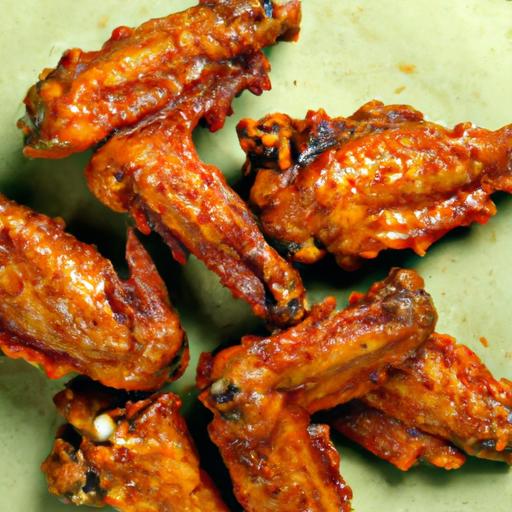

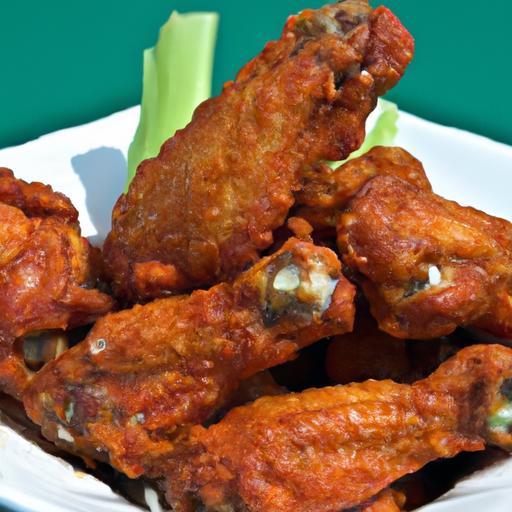
There’s a certain magic in the sizzle of chicken wings hitting a hot grill, a promise of crispy, juicy perfection that beckons food lovers from all corners. But achieving that flawless bite-the kind that’s crisp on the outside, tender and flavorful on the inside-isn’t just about seasoning or sauce. It’s a precise dance with temperature, a mastering of heat that transforms simple wings into culinary masterpieces. In this article, we’ll unlock the secrets of ideal cooking temperatures, guiding you through the science and art behind the perfect chicken wing.Whether you’re a backyard griller, a kitchen experimenter, or a wings enthusiast, prepare to elevate your game and savor wings cooked to absolute perfection.
Understanding the Science Behind Chicken wing Temperatures
The Perfect Chicken Wing starts with grasping the delicate dance between temperature and texture. Achieving juicy, tender wings is about more than just seasoning; it’s a science that unfolds as heat penetrates the meat. wings contain a unique balance of lean muscle and connective tissue that transforms as temperature rises-unlocking moistness while avoiding dryness or toughness hinges on mastering precise heat control.
When cooked to low, wings turn rubbery and underdeveloped; too high, and they dry out before the skin crisps beautifully. The magic lies in the internal temperature, wich signals when collagen breaks down to deliver that irresistible tenderness while keeping juices locked inside. For those passionate about grilling, baking, or frying, tuning into these temperature sweet spots ensures wings that excite the palate and awe the eyes every time.
Recommended Temperature Guidelines for Grilling, Baking, and Frying
Diffrent cooking methods demand tailored temperature strategies. For grilling, aim to manage zones of heat-medium-high direct heat (around 375°F-400°F) crisps skin quickly, but finishing over indirect lower heat at 300°F-325°F ensures thorough juiciness. Baking wings works best at a steady 400°F, roasting evenly to tender flesh paired with crackling skin. When frying, maintaining the oil at a consistent 350°F delivers golden wings without greasy heaviness or undercooked centers.
| Cooking Method | Target Internal Temp (°F) | Recommended External Heat |
|---|---|---|
| Grilling | 165-170 | 375°F direct, 300°F indirect |
| Baking | 165-170 | 400°F (oven) |
| Frying | 165 | 350°F (oil) |
Tips and Tools to Achieve Consistent Perfectly Cooked Wings Every Time
Precision is your secret weapon.Investing in a quality instant-read digital thermometer grants you real-time internal temperature readings, eliminating guesswork.When grilling or baking, use tongs to turn wings evenly-this prevents hot spots and encourages uniform cooking. For frying, a reliable deep-fry thermometer ensures oil temperature remains stable, preventing soggy or burnt skin.
Airflow and spacing matter, too-arrange wings with enough room to allow hot air to crispen skin rather of steaming it. patting wings dry before seasoning improves surface browning,while marinating can help retain moisture.resting wings for 5 minutes post-cooking lets juices redistribute,delivering that coveted succulent bite.

Q&A
Q&A: The perfect Chicken Wing – Mastering Ideal Cooking Temps
Q1: Why does temperature matter so much when cooking chicken wings?
A1: Temperature is the secret architect of texture and safety in chicken wings. Cook them too low, and you risk rubbery, undercooked meat; cook them too high, and you might end up with dry, charred wings.Hitting the ideal temperature ensures juicy, tender wings with that coveted crispy skin, while keeping foodborne bacteria at bay.Q2: What is the ideal internal temperature for perfectly cooked chicken wings?
A2: The magic number is 165°F (74°C). At this temperature, chicken wings reach a safe level for consumption while maintaining juicy tenderness. Using a reliable meat thermometer can be a game-changer to nail that perfect doneness every time.
Q3: Should I rely solely on cooking time, or should I check temperature?
A3: Timing is a helpful guideline, but temperature doesn’t lie. Wings come in all sizes and ovens and grills vary, so a meat thermometer is your best friend. It tells you exactly when your wings have reached the safe and succulent finish line.
Q4: How does cooking temperature effect the texture of the chicken wing skin?
A4: The key to crispy skin lies in managing both the cooking temperature and moisture. High enough heat (around 400°F or 200°C in the oven) renders fat and crisps skin quickly before the meat dries out. Low and slow cooking can leave skin rubbery and less appealing.
Q5: What’s the difference between oven-baked and grilled wings in terms of temperature control?
A5: Oven baking offers steady, even heat that’s easier to control, making it simpler to reach and maintain the ideal internal temperature.Grilling introduces variable heat zones and flare-ups, requiring more attention and frequent temperature checks to avoid burning or undercooking.
Q6: Can I use sous vide to cook chicken wings perfectly?
A6: Absolutely! Sous vide lets you cook wings at a precise, consistent temperature-often around 165°F (74°C)-for extended periods, resulting in ultra-tender meat. finish with a fast high-heat sear to crisp the skin and you have wings cooked like a gourmet pro.
Q7: Are there visual cues to know when wings are cooked perfectly without a thermometer?
A7: While not as reliable as temperature checks, well-cooked wings usually have opaque, white meat that’s not pink near the bone and clear juices when pierced. The skin should be crisp and golden-brown. However,investing in a thermometer brings peace of mind and precision.
Q8: How does resting wings after cooking influence the final temperature and texture?
A8: Resting allows residual heat to evenly distribute inside the wing, pushing the internal temperature up slightly (carryover cooking). This process helps juices redistribute, making the wings exceptionally moist and flavorful rather than dry or unevenly cooked.
Q9: what’s a common mistake when trying to cook wings at the perfect temperature?
A9: One classic error is cranking the heat too high too early, which chars the skin before the meat cooks through. Another is slicing into the wings too soon, letting precious juices escape. Patience and temperature monitoring are your allies to wing nirvana.Q10: How can I balance crispy skin with tender meat without overcooking?
A10: Start with a moderate cooking temperature to bring the meat to 160-162°F (71-72°C),then crank up the heat or broil for a few minutes to crisp the skin without pushing the meat past the ideal 165°F mark. This two-step approach yields a perfect textural harmony.
Mastering the art of chicken wing cooking boils down to respecting the science of temperature. Whether you’re roasting, grilling, or using modern gadgets like sous vide, understanding and controlling heat transforms basic wings into something memorably tasty. Happy wing mastering!
The Way forward
As the aroma of perfectly cooked chicken wings fills the air, it’s clear that mastering the ideal cooking temperatures is more than just a culinary step-it’s an art form. From the juicy tenderness inside to the irresistibly crisp skin outside, achieving that flawless balance transforms a simple snack into a mouthwatering masterpiece. So whether you’re a casual weekend griller or a devoted wing aficionado, remember: understanding your heat is the secret sauce to wing perfection. Now, armed with temperature wisdom and a dash of creativity, it’s time to fire up the grill and let every bite tell the story of your mastery. Wings await-delicious, golden, and just right.