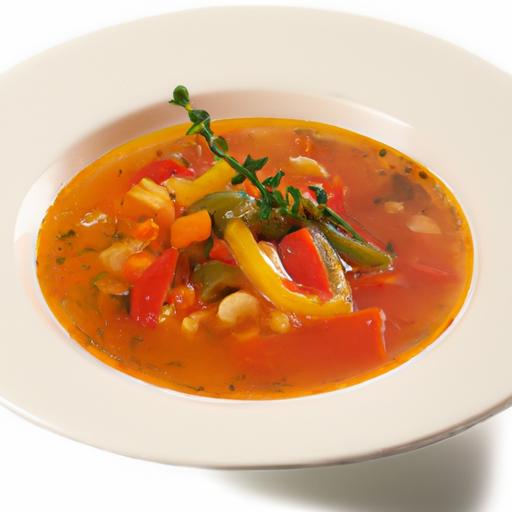

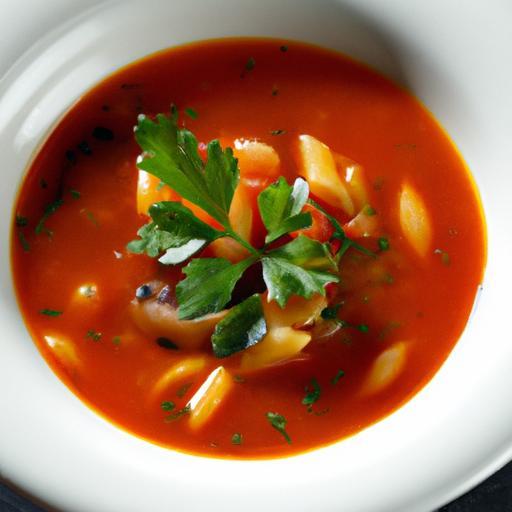
There’s a certain kind of comfort found in a steaming bowl of minestrone – a vibrant mosaic of garden-fresh vegetables, tender beans, and savory broth that has warmed Italian tables for generations. More than just a soup, minestrone is a tasty storybook, telling tales of rustic countryside kitchens, seasonal harvests, and regional twists that celebrate Italy’s rich culinary heritage. In this hearty journey through Italy’s classic soup, we’ll uncover teh magic stewing within every ladle, exploring its origins, ingredients, and the timeless techniques that transform humble produce into a symphony of flavors.Prepare to savor the soul of Italy, one spoonful at a time.
The Origins and Regional Variations of Minestrone Magic
Minestrone Magic captures the heart of Italian culinary tradition in a single, vibrant bowl. This humble yet hearty soup dates back centuries, rooted in Italy’s resourceful peasant kitchens where leftover vegetables and pantry staples were transformed into a nourishing meal. across regions-from the Ligurian coast to lombardy’s rolling hills-minestrone takes on delightful variations, adapting to seasonal bounty and local tastes. Northern versions frequently enough incorporate simple legumes and rice, while in the south, richer tomato bases and aromatic herbs shine. the ever-changing nature of minestrone magic celebrates Italy’s agricultural diversity and deep respect for fresh, seasonal ingredients.
seasonal Ingredients That Elevate Authentic Flavors
What truly makes this recipe sing is the quality and freshness of your ingredients. Minestrone magic thrives on seasonal vegetables such as spring peas, summer zucchinis, autumn squash, and winter kale. Using locally sourced beans,tomatoes at peak ripeness,and fragrant herbs like rosemary and thyme will intensify the soup’s rustic charm. For a rich umami boost, finish with a drizzle of golden extra virgin olive oil and a sprinkle of freshly grated Parmigiano-Reggiano (or vegetarian-friendly hard cheese). The contrast between tender vegetables, creamy beans, and aromatic broth invites you to savor each spoonful.
Prep and Cook Time
- Preparation: 20 minutes
- Cooking: 1 hour
- Total Time: 1 hour 20 minutes
Yield
Serves 6 hearty portions
Difficulty Level
Medium – Perfect for dedicated home cooks eager to explore authentic Italian comfort food.
Ingredients
- 3 tbsp extra virgin olive oil
- 1 large yellow onion, finely chopped
- 2 cloves garlic, minced
- 2 medium carrots, diced
- 2 celery stalks, diced
- 1 cup green beans, trimmed and cut into 1-inch pieces
- 1 medium zucchini, diced
- 1 large potato, peeled and cubed
- 1 can (14 oz) diced tomatoes, preferably San Marzano
- 1 cup dried cannellini or borlotti beans, soaked overnight and drained
- 6 cups vegetable broth, low sodium
- 1/2 cup small pasta (ditalini or elbow macaroni)
- 1 tsp dried oregano
- 1 tsp fresh thyme leaves
- 2 handfuls fresh spinach or kale, roughly chopped
- Salt and freshly ground black pepper, to taste
- Freshly grated Parmigiano-Reggiano or vegetarian hard cheese, for garnish
- Fresh basil leaves, for garnish
step by step Guide to Crafting the Perfect Minestrone Magic
- Heat the olive oil in a large heavy-bottomed pot over medium heat. Add the chopped onions and sauté until translucent, about 5 minutes, stirring often to avoid browning.
- Stir in the garlic, carrots, and celery. Cook for another 5 minutes until vegetables soften, releasing their sweet aroma.
- Add the soaked beans and diced potatoes, stirring to combine well.
- Pour in the vegetable broth and canned tomatoes with their juices. Bring the mixture to a gentle boil, then reduce heat to low and simmer covered for 40 minutes or until the beans are tender. Check occasionally and add water if needed to keep the soup soupy but not watery.
- When beans are soft, add green beans, zucchini, oregano, and thyme. Season with salt and pepper. Continue simmering gently for 10 minutes.
- Raise the heat slightly and stir in the pasta. Cook uncovered until the pasta is al dente, about 8-10 minutes, stirring frequently to prevent sticking.
- add the chopped fresh spinach or kale to the hot soup and stir well, allowing the greens to wilt in the residual heat.
- Adjust seasoning with more salt and pepper if needed. Let the soup rest off the heat for 5 minutes to meld flavors.
- Ladle the steaming minestrone into warmed bowls. garnish with grated Parmigiano-Reggiano and torn fresh basil leaves, and finish with a generous drizzle of extra virgin olive oil for that glossy, aromatic touch.
Chef’s Notes and Tips for Success
- Bean prep shortcut: Use canned white beans in a pinch, rinsed well to reduce sodium.
- Vegetarian richness: Add a parmesan rind to simmer with the soup for depth of flavor-remove before serving.
- Make-ahead friendly: Minestrone magic tastes even better the next day. Store in the fridge and reheat gently, adding extra broth to loosen if thickened.
- Seasonal swaps: Substitute or add peas, fennel, or bell peppers depending on fresh market finds.
- Broth base: Homemade vegetable broth elevates every spoonful. For a shortcut, use a good-quality low-sodium store-bought broth.
- To gluten-free: Substitute pasta with gluten-free versions or omit entirely for a lighter soup.
Serving Suggestions
Enjoy minestrone magic as a hearty first course or pair it with rustic focaccia to soak up the vibrant broth. For garnishes,sprinkle toasted pine nuts or a twist of lemon zest atop to brighten the soup further. Serve piping hot in deep rustic bowls to showcase the colorful layers of vegetables and beans, making every bite a party of italy’s seasonal harvest.
Pairing Minestrone Magic with Italian Wines for a Complete Experience
The radiant freshness and vegetable complexity of minestrone magic find their perfect counterpart in crisp, unoaked Italian white wines. consider a glass of Vermentino from sardinia or a Pinot Grigio from Alto Adige, whose zesty acidity cuts through the soup’s richness and enhances its herbal notes. For red wine lovers, a lightly chilled Chianti or Dolcetto with delicate tannins provides a lovely balance without overpowering the dish. Cheers to an authentically italian meal crafted with care!

| Nutrient | per Serving |
|---|---|
| Calories | 280 kcal |
| Protein | 12 g |
| Carbohydrates | 40 g |
| Fat | 6 g |
Explore more classic Italian recipes in our Classic Italian Recipes collection and deepen your culinary journey with trusted resources like Slow Food International.
Q&A
Q&A: minestrone Magic – A Hearty Journey through Italy’s Classic Soup
Q: What exactly is minestrone, and why is it considered a classic Italian soup?
A: Minestrone is a vibrant, vegetable-packed soup deeply rooted in Italy’s culinary traditions. Its name stems from the Italian word minestrone, meaning “big soup,” reflecting its generous mix of ingredients. This soup is celebrated for its versatility and seasonal adaptability, making it a staple in Italian homes through generations.
Q: What makes minestrone stand out from other vegetable soups?
A: Unlike many vegetable soups that spotlight just a couple of veggies, minestrone is a symphony of textures and colors. It’s an orchestra of fresh beans, hearty greens, starchy potatoes or pasta, and a medley of garden vegetables all simmered together in a savory broth. This layered complexity creates a comforting and deeply satisfying dish.Q: How does minestrone change from region to region in Italy?
A: Italy’s diverse landscapes influence minestrone’s ingredients and flavors.In northern Italy, you might find it brimming with root vegetables and hearty beans, reflecting the cooler climate. Down south, it often includes tomatoes, zucchini, and basil, echoing the Mediterranean sunshine.Each regional twist tells a story of local agriculture and seasonal bounty.
Q: Can you describe the foundation or “base” of a traditional minestrone soup?
A: Absolutely! The heart of minestrone begins with a soffritto-a fragrant blend of sautéed onions, celery, and carrots. This humble mix serves as the aromatic canvas onto which other ingredients paint their flavors. From there,crushed tomatoes or a vegetable broth enrich the soup,mingling with beans and seasonal veggies to create depth and warmth.Q: What role do beans play in minestrone?
A: Beans are the soul of many minestrone recipes. They provide hearty protein and creaminess, enhancing the soup’s richness without overpowering the fresh vegetable notes. Common choices include cannellini, borlotti, or chickpeas, each bringing its own texture and subtle flavor nuances.
Q: Is minestrone soup typically served with pasta or rice?
A: Both pasta and rice are traditional companions,but choice largely depends on regional preferences and seasonal availability. Small pasta shapes like ditalini or elbow macaroni are common, lending a delightful bite. Alternatively, orzo or Arborio rice might potentially be used to add a gentle, filling element that blends seamlessly with the broth.
Q: How can one customize minestrone to suit personal tastes or dietary preferences?
A: That’s the magic of minestrone! This soup welcomes creativity. Vegetarians and vegans rejoice here, as it’s naturally plant-based. You can swap vegetables based on seasonality-think tender spring peas or autumn squash. Herbs like rosemary,thyme,or parsley can layer in unique aromas,and a sprinkle of aged cheese at the end adds a savory finish for those who enjoy it.
Q: What’s the best way to serve minestrone to maximize its flavor and comfort?
A: Minestrone is at its best piping hot, served with a crusty slice of rustic bread for dipping. Letting it rest for a few minutes after cooking helps the flavors meld beautifully. A drizzle of extra virgin olive oil or a pinch of freshly ground black pepper brings the experience full circle-warm, nourishing, and deeply Italian.
Q: How can home cooks avoid common pitfalls when making minestrone?
A: The key is balance and patience. Avoid rushing the soffritto; it’s the flavor base and worth the extra minutes to get it right. Be mindful not to overcook the vegetables-aim for tender yet still vibrant textures. Lastly, seasoning gradually and tasting as you go ensures layers of flavor without oversalting the broth.
Q: Why does minestrone endure as a beloved dish in Italy and beyond?
A: Minestrone embodies the heart and soul of Italian cooking: simplicity, respect for fresh ingredients, and the joy of communal meals. It’s nourishing, adaptable, and evocative of home, family, and tradition. Every spoonful is a warm embrace from Italy’s rich culinary heritage-truly magical in its comforting power.
In Retrospect
As the final spoonful of minestrone warms your soul, you realize this humble soup is more than just a blend of vegetables and broth-it’s a vibrant mosaic of Italy’s culinary heritage. Each ladle carries whispers of sun-soaked gardens, bustling markets, and family tables where tradition simmers alongside innovation. Whether you crave a nourishing meal or a comforting reminder of Italy’s rich flavors, minestrone stands as a timeless testament to the magic found in simplicity. So next time you savor this classic soup, remember: you’re not just eating-you’re embarking on a hearty journey through the very heart of Italy. Buon appetito!