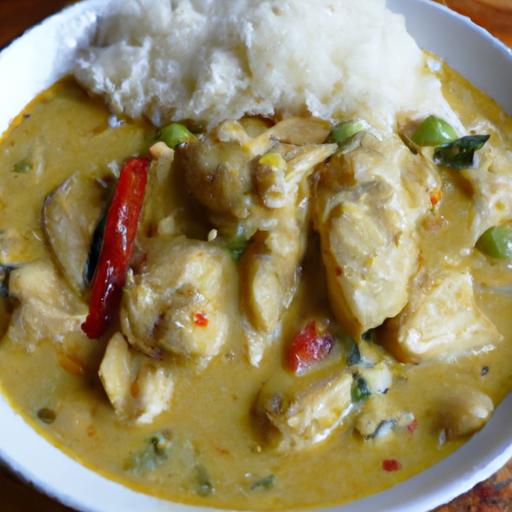

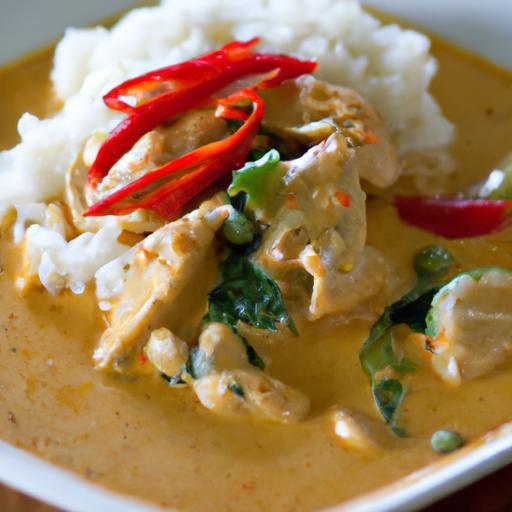
Bursting wiht vibrant aromas and a harmonious blend of spices, Thai-style chicken curry is more than just a dish-it’s a flavorful journey to the heart of Thailand’s rich culinary heritage. From the creamy coconut milk that softens the bite of fiery chilis to the fragrant lemongrass and kaffir lime leaves that awaken your senses, this beloved curry invites food lovers to savor every spoonful. whether you’re a curious home cook or a seasoned food enthusiast, this guide will unravel the secrets behind creating an authentic Thai-style chicken curry that’s both comforting and exotic. Get ready to embark on a delicious adventure that celebrates bold flavors, fresh ingredients, and timeless tradition.
Savor the flavors of authentic Thai chicken curry, a culinary journey that captivates with its harmonious blend of fragrant spices, creamy coconut milk, and tender chicken. This iconic dish transports you to bustling Thai markets where fresh lemongrass, kaffir lime leaves, and galangal create a symphony of aromas that define its unique character. Inspired by traditional recipes handed down through generations and perfected with modern techniques, this guide will empower you to create an irresistible Thai curry right in your kitchen.
Prep and Cook Time
- Planning: 20 minutes
- Cooking: 40 minutes
- Total Time: 1 hour
Yield
- Serves 4 hearty portions
Difficulty Level
- medium – perfect for home cooks eager to explore Thai cuisine
Ingredients
- 600g boneless, skinless chicken thighs, cut into bite-sized pieces
- 2 tablespoons Thai red curry paste (adjust for heat preference)
- 400ml full-fat coconut milk
- 1 cup chicken stock
- 2 tablespoons vegetable oil
- 1 tablespoon palm sugar (or light brown sugar)
- 2 kaffir lime leaves, torn
- 1 stalk lemongrass, bruised and cut into chunks
- 3 slices galangal (or fresh ginger if unavailable)
- 1 red chili, sliced thinly (optional, for garnish)
- 1 small handful Thai basil leaves
- 1 red bell pepper, thinly sliced
- 1 small onion, sliced
- 2 cloves garlic, minced
- 2 tablespoons fish sauce
- Juice of 1 lime
- Steamed jasmine rice, to serve
Step by Step Instructions to Achieve Perfectly Tender Curry Chicken
- Prepare the aromatics: Heat the vegetable oil over medium heat in a heavy-based pan or wok. Add minced garlic,bruised lemongrass,sliced galangal,and kaffir lime leaves. Sauté gently for 2-3 minutes until fragrant, stirring to avoid burning.
- Brown the chicken: Increase heat to medium-high and add chicken pieces in a single layer. Allow them to brown lightly without stirring for 3 minutes, then stir and cook for another 2 minutes until the edges turn golden.
- Add the curry paste: Stir in the Thai red curry paste. Cook for about 2 minutes, letting the oil separate and deepen the flavor-keep stirring to coat every piece of chicken in vibrant red.
- Incorporate coconut milk: Pour in the thick part of the coconut milk first (about 300ml), stirring gently to blend the paste and milk into a rich sauce. Let it simmer gently for 10 minutes, partially covered, allowing the chicken to absorb those aromatic flavors.
- Add vegetables and stock: Toss in the sliced onions, red bell pepper, and the remaining thin coconut milk along with chicken stock. Reduce heat and simmer uncovered for 15 minutes, stirring occasionally until the chicken is tender and the sauce slightly thickens.
- Season and finish: stir in palm sugar,fish sauce,and lime juice. Taste and adjust seasoning-curry should be a perfect balance of sweet, salty, sour, and spicy. Remove the lemongrass,galangal slices,and lime leaves before serving.
- Garnish and serve: Sprinkle fresh Thai basil leaves and sliced red chili on top. Serve hot with steaming jasmine rice or aromatic coconut rice to soak up every luscious drop.
Tips for Success: Mastering the Balance of Spices and Coconut Milk
- Fresh ingredients matter: Whenever possible, use fresh galangal and lemongrass for an authentic depth. Substitute with ginger only if necessary, though the flavor profile will slightly differ.
- Adjust the heat: Red curry paste varies by brand. Start conservatively-add more after tasting rather than overpowering early.
- Coconut milk tips: Shake or stir the can before use to ensure creaminess. Adding thick coconut milk first helps build richness; the thinner part later adjusts consistency.
- Tender chicken: Using thighs rather of breast guarantees juiciness and flavorful tenderness. Sauté over medium heat to avoid drying out the meat.
- Make-ahead magic: Thai curry tastes even better the next day as flavors meld beautifully. Store in an airtight container for up to three days and gently reheat on low.
- Skip fish sauce for vegetarian friends: Replace with soy sauce and mushroom seasoning for a plant-based twist.
Serving Suggestions to Elevate Your thai Curry Experience
Present your curry in a deep bowl adorned with vibrant Thai basil leaves and thin slivers of fresh red chili for a burst of color and subtle heat. Accompany with a side of fragrant steamed jasmine rice or try coconut rice for added creaminess. For texture contrast, serve with crunchy cucumber salad dressed in lime and chili or lightly pickled vegetables. A crisp, cold Thai iced tea perfectly cools the palate and complements spicy, rich curry notes.

| Nutrient | Per Serving |
|---|---|
| Calories | 450 kcal |
| Protein | 38g |
| Carbohydrates | 12g |
| fat | 28g |
For more inspiration on authentic thai dishes, discover our Authentic Thai Recipes collection. Explore the history and health benefits of coconut milk at NCBI Research.
Q&A
Q&A: Savor the Flavors – A Guide to Thai-Style Chicken Curry
Q1: What makes Thai-style chicken curry distinctly flavorful compared to other curries?
A1: Thai-style chicken curry is a symphony of fresh,vibrant ingredients-think aromatic lemongrass,zesty kaffir lime leaves,fiery Thai chilies,and creamy coconut milk. This combination creates a perfect balance of spicy, sweet, sour, and savory notes, setting it apart from richer, heavier curries found elsewhere.
Q2: Which types of Thai curry are best suited for chicken?
A2: Classic options include Red Curry (Gaeng Daeng), Green Curry (Gaeng Keow Wan), and Yellow Curry (Gaeng Garee). Each offers a unique flavor profile: Red is bold and slightly spicy, Green bursts with fresh herbal heat, and Yellow is milder with warm turmeric and cumin undertones. Chicken harmonizes beautifully with all three.
Q3: How can I ensure the chicken remains tender and juicy in the curry?
A3: For tender results, slice the chicken thinly or cut into bite-sized pieces, and cook it gently in the simmering curry sauce just until done-overcooking can dry it out. Also,marinating chicken briefly in a bit of coconut milk and curry paste before cooking can add extra moisture and flavor.
Q4: What role does coconut milk play in Thai chicken curries?
A4: Coconut milk is the creamy, cooling backbone that balances the curry’s heat and spices. It lends a luscious texture and slight sweetness that complements the sharpness of herbs and chilies. Using full-fat coconut milk enriches the dish, while light versions lighten the calorie load without sacrificing flavor.
Q5: Are there essential herbs and aromatics I should always include in a Thai chicken curry?
A5: Absolutely. Fresh lemongrass,galangal (a ginger-like root),kaffir lime leaves,and thai basil are staples. These ingredients infuse the curry with a fragrant depth and brightness that canned or dried herbs can’t replicate. if unavailable, fresh ginger and lime zest can be thoughtful stand-ins.
Q6: Can I make Thai chicken curry ahead of time, and does it improve or worsen the flavors?
A6: Thai chicken curry frequently enough benefits from resting a few hours or overnight, allowing the flavors to meld and deepen. When reheating, do so gently on low heat to avoid toughening the chicken. Just remember to add fresh herbs like Thai basil at the end for that fresh burst of flavor.
Q7: What are some classic side dishes or accompaniments to serve with thai-style chicken curry?
A7: Jasmine rice is a timeless partner, soaking up the rich sauce beautifully. For crunch and contrast, serve with fresh cucumber salad or pickled vegetables. Steamed greens like bok choy or gai lan can also add a crisp,vibrant touch to the meal.
Q8: How can I adjust the heat level without losing authenticity?
A8: Control the spiciness by varying the amount and type of fresh Thai chilies or curry paste. Removing seeds from chilies reduces heat but retains flavor. Alternatively, add creamy coconut milk or a touch of palm sugar to mellow the spice while keeping the curry’s authenticity intact.
Q9: are there vegetarian alternatives to chicken in Thai curry that still honor the dish’s essence?
A9: Yes! Firm tofu or tempeh are excellent protein swaps, absorbing the curry’s flavors beautifully. For an earthier twist, hearty vegetables like eggplant, mushrooms, or sweet potatoes make the dish equally satisfying while maintaining the classic Thai flavor profile.
Q10: What tips will help beginners confidently craft their first Thai chicken curry at home?
A10: start with a quality curry paste-homemade or store-bought-that suits your heat preference. Don’t rush caramelizing the paste in oil; this step unlocks deep flavors. Use fresh herbs and coconut milk, and taste as you go, adjusting seasoning with fish sauce (or soy sauce for vegetarian) and lime juice for brightness. Most importantly, embrace the vibrant balance of flavors Thai cuisine celebrates!
In Summary
As the final spoonful of this vibrant Thai-style chicken curry lingers on your palate, you’ll realize it’s more than just a meal-it’s a journey through layers of bold spices, creamy coconut, and fresh herbs that together tell a story of Thailand’s rich culinary heritage. Whether you’re a kitchen novice or an adventurous foodie, embracing these flavors invites you to savor not only the dish but the culture and tradition simmering in every pot. So next time you crave something warm, fragrant, and delightfully complex, remember: authentic Thai curry is just a recipe away from turning an ordinary dinner into an unusual experience.