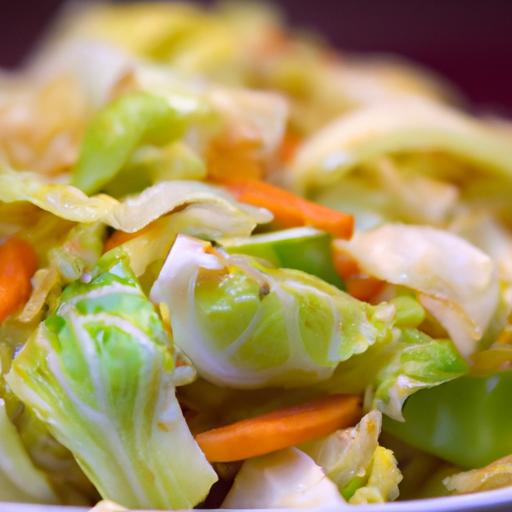

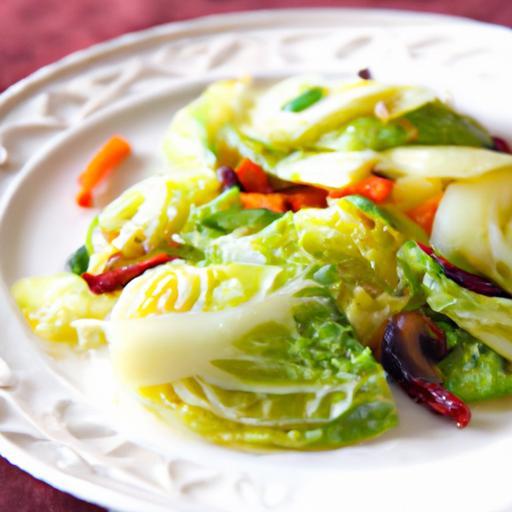
In the bustling world of speedy and wholesome meals, few dishes strike the perfect balance between vibrant flavor and nourishing simplicity like a flavorful Asian cabbage stir fry. This humble yet dynamic dish transforms everyday ingredients into a symphony of textures and tastes, bringing together the crispness of fresh cabbage, the punch of savory sauces, and the subtle warmth of aromatic spices. Whether you’re a seasoned home cook or a busy food lover seeking a healthy delight in minutes, this stir fry offers a satisfying journey into Asian-inspired cuisine-proving that eating well can be both effortless and exquisite.
Choosing the Perfect Cabbage and Fresh Ingredients for Maximum Flavor
Flavorful asian cabbage Stir Fry demands choosing the freshest, crispest cabbage varieties to ensure vibrant texture and taste. For this dish, Napa cabbage shines with its tender, mild leaves that soak up sauces beautifully, while green cabbage offers a firmer bite and subtle sweetness that balances the savory notes. When selecting your cabbage, look for heads that feel heavy for their size with leaves tightly packed yet flexible. Avoid those showing discoloration or signs of wilting.
Alongside cabbage, fresh aromatic ingredients amplify every bite.Opt for crisp carrots sliced thinly,young green beans,and fresh scallions. Aromatics like ginger and garlic should be freshly minced-not pre-packaged powders-to unlock essential oils and create that unmistakable stir fry fragrance. For plant-based protein or crunch, consider adding tofu cubes or cashews that will toast lightly and contrast soft cabbage.
Mastering the Art of Stir Fry Techniques for crisp and Tender Results
Achieving the perfect balance of crisp and tender in your stir fry starts with the right technique. Use a wok or a large, heavy-bottomed skillet preheated until it’s shimmering hot. this initial high heat is essential-it instantly sears the cabbage’s edges, locking in moisture and flavor, while preserving that sought-after crunch.
Begin by stir frying your aromatics, like garlic and ginger, for just 30 seconds until fragrant-avoid burning by stirring constantly. Add your cabbage and other vegetables in batches if needed to prevent overcrowding, which steams instead of sautés. Toss swiftly and deliberately; the goal is to cook quickly but evenly.
Tip: Stir fry on medium-high heat and cook vegetables in 3 to 4 minutes max. Overcooking causes limpness and loss of vibrant color.Finish by tossing in your protein or nuts briefly to heat through without sacrificing texture.
Creating the Ultimate Sauce Blend to Elevate Your Asian Cabbage Dish
The soul of a Flavorful Asian Cabbage Stir fry lies in its sauce, which ties every ingredient together with a delectable umami punch. A balance of savory, salty, sweet, and slightly tangy notes makes this dish crave-worthy.
- Soy sauce provides the bold, salty base-choose naturally brewed to avoid bitterness.
- Oyster sauce (vegetarian versions available) adds depth and mouthwatering richness.
- Sesame oil poured at the end infuses a nutty aroma that feels like comfort in every bite.
- Rice vinegar or freshly squeezed lime juice introduces brightness to cut through the umami.
- Brown sugar or honey softly sweetens and balances the acidity.
Whisk these ingredients together with a splash of water or vegetable broth to create a luscious coating that clings beautifully to each cabbage leaf. For a touch of heat, add crushed red pepper flakes or a dash of freshly ground black pepper.
Serving Suggestions and Nutritional Benefits of a Balanced Stir Fry Meal
Present your stir fry as a vibrant rainbow on the plate, steaming hot with a final sprinkle of toasted sesame seeds and freshly chopped cilantro or scallions. A side of fragrant jasmine or brown rice rounds out the meal, soaking up every flavorful drop of sauce.
Not only does this stir fry delight the palate, but it also nourishes the body. Cabbage is a low-calorie powerhouse, rich in vitamins C and K, and packed with antioxidants. Combined with fresh vegetables and moderate healthy fats from sesame oil, it supports digestion and boosts immunity.
This colorful dish embodies balance-light yet satisfying, fresh yet comforting, making it ideal for weeknight dinners or a quick lunch reset.
Prep and Cook Time
- Preparation: 15 minutes
- Cooking: 10 minutes
- Total: 25 minutes
Yield
Serves 4 generous portions
Difficulty Level
Easy
Ingredients
- 4 cups Napa cabbage, chopped into bite-sized pieces
- 1 cup green cabbage, finely shredded
- 1 medium carrot, julienned
- 1/2 cup green beans, trimmed and halved
- 3 cloves garlic, minced
- 1 tablespoon fresh ginger, finely grated
- 3 scallions, sliced thinly (white and green parts separated)
- 200g firm tofu, cubed and patted dry (optional)
- 2 tablespoons vegetable oil (canola or sunflower)
- 2 tablespoons soy sauce (naturally brewed)
- 1 tablespoon vegetarian oyster sauce
- 1 tablespoon toasted sesame oil
- 1 teaspoon brown sugar
- 1 teaspoon rice vinegar or lime juice
- 1/4 teaspoon crushed red pepper flakes (optional)
- Salt and freshly ground black pepper, to taste
- Toasted sesame seeds and fresh cilantro leaves, for garnish
Instructions
- Prepare sauce: In a small bowl, whisk together soy sauce, vegetarian oyster sauce, brown sugar, rice vinegar, and crushed red pepper flakes. Set aside.
- Heat oil: Warm vegetable oil in a wok or large skillet over medium-high heat until shimmering.
- Sauté aromatics: Add minced garlic and grated ginger, stirring quickly for about 30 seconds until fragrant but not browned.
- Add tofu (if using): Toss in tofu cubes and stir fry gently until lightly golden, about 3 minutes. Remove tofu with a slotted spoon and set aside.
- Cook vegetables: Add green beans and carrots first to the wok, stir frying for 2 minutes to soften slightly.
- Add cabbages: Toss in Napa and green cabbage along with the white parts of scallions. Stir fry continuously for another 3 minutes until cabbage is tender-crisp.
- Pour sauce: Drizzle the prepared sauce over the vegetables, tossing to evenly coat. Return tofu to the wok. Stir everything together for another minute, allowing the sauce to thicken slightly.
- Finish with sesame oil: Remove wok from heat and stir in toasted sesame oil for that signature nutty aroma.
- Season and serve: Taste and adjust salt or pepper as needed. Plate immediately, garnish with scallion greens, sesame seeds, and cilantro leaves.
Chef’s Notes & Tips for Success
- Variations: Swap tofu with tempeh or chickpeas for additional protein. Add a handful of cashews or sliced water chestnuts for crunch.
- Vegetable swaps: Feel free to incorporate snap peas, bell peppers, or baby corn for color and texture diversity.
- Make ahead: Prepare sauce in advance and keep chopped vegetables sealed to save time on busy days.
- Heat control: Maintain high heat and avoid overcrowding the wok to prevent steaming your cabbage.
- Storage: Leftovers keep well refrigerated for up to 2 days; reheat quickly on the stove to retain crispness.
Serving Suggestions
This stir fry pairs beautifully with steamed jasmine rice or a fragrant bowl of brown rice for a wholesome meal. Consider adding a light miso soup or a side of pickled cucumbers for contrast. For garnish, luminous green scallions, a sprinkle of toasted sesame seeds, and fresh cilantro add visual appeal and fresh bursts of flavor. Serve with lime wedges for those who enjoy an extra zingy finish.

| Nutrient | Per Serving |
|---|---|
| Calories | 210 kcal |
| Protein | 12 g |
| Carbohydrates | 15 g |
| Fat | 9 g |
For even more inspiration, check out our popular Quick Vegetarian Stir Fries Recipes, or learn about the health benefits of cruciferous vegetables on Healthline.
Q&A
Q&A: Flavorful Asian cabbage Stir Fry – A Quick, Healthy Delight
Q1: What makes an Asian cabbage stir fry so flavorful yet simple to prepare?
A1: The magic lies in its balance of bold umami, fresh aromatics, and crisp textures, all coming together in a sizzling hot wok. A few key ingredients like garlic,ginger,soy sauce,and a touch of toasted sesame oil elevate the humble cabbage into a vibrant dish,while quick stir-frying preserves its crunch and nutrients.
Q2: Which type of cabbage is best suited for an Asian-style stir fry?
A2: While green cabbage is a classic choice, Napa cabbage or Chinese cabbage are excellent alternatives. They have a tender, slightly sweet leaf that cooks quickly and absorbs flavors beautifully. Each type brings a subtle difference in texture and taste, allowing for versatile stir-fry experiences.
Q3: How can I boost the nutritional value of this stir fry without compromising taste?
A3: adding colorful veggies like bell peppers, snap peas, or shredded carrots enhances both nutrition and visual appeal. Toss in fresh herbs like cilantro or green onions for extra vitamins and a burst of freshness. Using minimal oil and relying on steaming or quick searing helps retain vitamins and keeps calories in check.
Q4: What are some essential sauces or seasonings that bring authentic Asian flavors to this dish?
A4: Soy sauce and freshly grated ginger are foundational. For depth, add a splash of rice vinegar or a hint of chili paste to ignite subtle heat. Toasted sesame oil, a sprinkle of white or black sesame seeds, and a bit of garlic create layers of aroma and taste that make you crave that next bite.Q5: Can this stir fry be made vegan or gluten-free easily?
A5: Absolutely! Use tamari or coconut aminos instead of conventional soy sauce for a gluten-free option. The stir fry is naturally plant-based and relies on vegetables and seasonings, making it ideal for vegan and gluten-free diets with no compromise on flavor.
Q6: What’s the ideal technique for stir-frying cabbage to keep it crisp yet tender?
A6: Keep your wok or skillet scorching hot and use high heat for a quick toss of ingredients. Stir constantly for just 3-5 minutes to soften the cabbage slightly but maintain a pleasant crunch.Avoid overcrowding the pan, which can steam rather than fry the vegetables.
Q7: How can I turn this vibrant side dish into a hearty main meal?
A7: Incorporate plant-based proteins like tofu, tempeh, or edamame beans for a satisfying bite. Adding cooked rice or noodles transforms the dish into a filling lunch or dinner. A sprinkle of crushed peanuts or cashews adds crunch and an indulgent touch.
Q8: Any tips for storing and reheating leftover cabbage stir fry?
A8: Store leftovers in an airtight container in the fridge for up to 2 days. To reheat, use a hot pan or wok for a quick stir to revive the crispness, rather than the microwave, which can soften the vegetables excessively. Adding a splash of soy sauce or sesame oil during reheating refreshes the flavors.
Q9: Can this dish be customized for more adventurous palates?
A9: Certainly! Experiment with bold flavors like fresh Thai basil, lemongrass, or kaffir lime leaves for an exotic twist. Add a dash of chili garlic sauce or ginger chili oil for heat. Lightly toasted nuts or seeds can also introduce exciting textures and tastes.
Q10: Why is this Asian cabbage stir fry a great addition to any weeknight dinner rotation?
A10: It combines speed, nutrition, and vibrant flavors in one simple skillet meal. Minimal prep, fewer ingredients, and quick cooking mean less time in the kitchen but a feast for your senses.This stir fry offers a fresh, wholesome option that feels indulgent yet guilt-free-perfect for busy lives seeking healthy comfort.
In Retrospect
In the vibrant world of quick and healthy meals, a flavorful Asian cabbage stir fry shines as a true culinary gem. Bursting with crisp textures, bold spices, and nourishing greens, this dish proves that wholesome eating doesn’t have to be complicated or time-consuming. Whether you’re a kitchen novice or a seasoned chef,incorporating this colorful stir fry into your routine invites both convenience and nutrition to your table. So next time you crave a meal that’s fast, fresh, and full of zest, let this Asian cabbage stir fry be your go-to delight-transforming simple ingredients into a satisfying celebration of flavor and health.