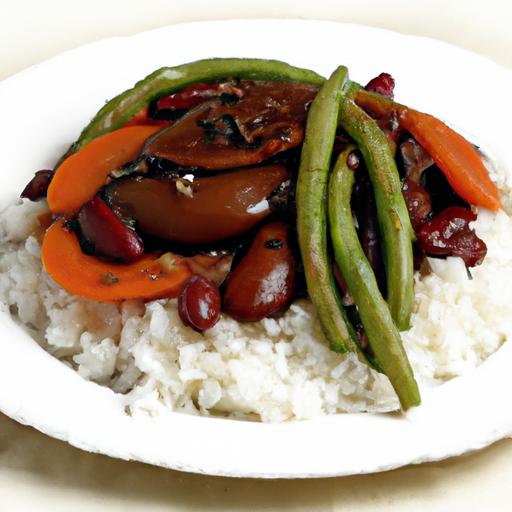

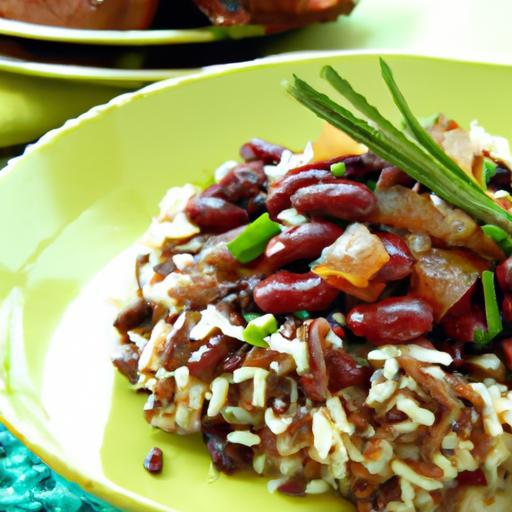
There’s a soulful magic in the humble pairing of red beans and rice-a dish that transcends cultures and kitchens, offering not just comfort but a vibrant nutritional punch. Often celebrated in Southern and Caribbean cuisines,this classic combo marries creamy,protein-packed red beans with the steady energy of rice,creating a symphony of flavors and health benefits. Beyond its hearty taste and satisfying texture lies a powerhouse of nutrients that fuel the body and nurture wellbeing. In this exploration of “Hearty Harmony: the Nutritional Power of Red Beans & Rice,” we’ll uncover how this timeless staple provides a tasty balance of protein, fiber, vitamins, and minerals-making every spoonful a festivity of both taste and nourishment.
Hearty harmony: the nutritional power of red beans & rice has long been celebrated for its comforting flavors and remarkable health benefits.This vibrant dish hails from diverse culinary traditions-rooted in Creole, Cajun, and Southern American kitchens-bringing together the earthiness of red beans and the satisfying grain of rice. Beyond its delicious simplicity lies a powerhouse of essential vitamins, minerals, and plant-based protein that can elevate your meal planning while nurturing heart health and digestive wellness. Imagine a bowl brimming with ruby-red beans, fragrant spices, and fluffy rice, each bite delivering lasting energy and deep satisfaction – an easy-to-love classic that’s as nourishing as it is soul-satisfying.
Prep and Cook Time
- Preparation: 15 minutes
- Cooking: 1 hour 10 minutes (including simmering time)
- Total: 1 hour 25 minutes
Yield
Serves 6 generous portions, perfect for sharing or meal prepping.
Difficulty Level
Medium – perfect for home cooks looking to build confidence in layering flavors and textures.
Ingredients
- 1 cup dried red kidney beans, rinsed and soaked overnight
- 1 ½ cups long-grain white rice, rinsed and drained
- 1 medium yellow onion, finely diced
- 3 cloves garlic, minced
- 1 green bell pepper, diced
- 2 celery stalks, diced
- 2 tablespoons olive oil
- 4 cups low-sodium vegetable broth
- 1 teaspoon smoked paprika
- 1 teaspoon dried thyme
- 1 teaspoon dried oregano
- 1 bay leaf
- Salt and freshly ground black pepper, to taste
- ¼ teaspoon cayenne pepper (optional, for subtle heat)
- Fresh chopped parsley, for garnish
- 1 tablespoon lemon juice, to brighten flavors
Instructions
- Prepare the beans: Drain your soaked red beans and place them in a large pot with fresh water to cover. Bring to a gentle boil, then reduce to a simmer, cooking until tender but not mushy-about 45 minutes. Drain and set aside.
- Sauté the vegetable base: In a heavy-bottomed pot, heat the olive oil over medium heat. Add diced onion, bell pepper, and celery.Sauté until softened and translucent, about 7 minutes. Stir in minced garlic and cook for another minute to release aroma, avoiding browning.
- Build flavor: Toss in smoked paprika, thyme, oregano, and bay leaf. Stir frequently to toast spices gently, enhancing their deep, warm notes.
- Add beans and broth: Return the cooked beans to the pot and pour in vegetable broth. Bring to a simmer, allowing the flavors to marry for 15 minutes. Add salt, pepper, and cayenne if using-taste and adjust seasoning.
- cook the rice: In a separate saucepan,bring 3 cups of water to a boil. Add the rinsed rice and a pinch of salt, then reduce to low heat and cover tightly. Cook until tender and fluffy, about 18 minutes.
- Combine and finish: Transfer the cooked rice into the bean mixture, folding gently to combine without mashing the beans. Warm together for 5 minutes to marry flavors. Stir in fresh lemon juice for a luminous, balanced finish.
- Serve and garnish: Spoon into warm bowls and sprinkle with freshly chopped parsley for a burst of color and freshness.
Chef’s Notes: Tips for Success
- Soaking beans: Soaking overnight drastically reduces cooking time and improves digestibility. For a quicker method, use a hot soak by boiling beans for 2 minutes, removing from heat, then soaking for 1 hour before cooking.
- vegetable broth quality: Using a rich vegetable broth enhances flavor depth. Homemade or a high-quality store-bought brand ensures better layers of savory taste.
- Spice customization: Feel free to experiment with smoked paprika variations or add a pinch of ground cumin for an earthy twist.
- Make-ahead: This dish tastes even better the next day! Store in an airtight container for up to 4 days and reheat gently, adding a splash of broth if needed.
- Protein boost: For extra plant-based protein, mix in some cooked quinoa or garnish with toasted pumpkin seeds.
Serving Suggestions
The rich, hearty beans and rice pair beautifully with fresh, crisp sides. Consider serving with a crunchy kale salad dressed lightly with lemon and olive oil or a side of pickled red onions to cut through the creaminess. For an extra heart-healthy touch, sprinkle on some toasted flax seeds or a handful of sliced avocado. Bright red chili flakes can be offered on the side for those craving a spice lift. Serve in rustic, deep ceramic bowls to highlight the dish’s warm colors-the vibrant reds and greens invite eager forks and spoonfuls of nourishing goodness.
| Nutrient | Amount per Serving |
|---|---|
| Calories | 320 kcal |
| Protein | 15 g (Plant-Based) |
| Carbohydrates | 50 g |
| dietary Fiber | 12 g |
| Fat | 4 g (Mostly from olive oil) |
| Sodium | 350 mg (Low-Sodium) |

Discover More flavorful & Nutritious plant-Based Recipes
For another delicious pulse-powered meal, check out our Hearty Lentil Stew-an equally satisfying source of plant-based protein and seasonal vegetables.
Experts at the American Heart Association affirm that legumes like red beans support cardiovascular wellness by providing soluble fiber, potassium, and antioxidants-key ingredients for a happy, healthy heart.
Q&A
Q&A: Hearty Harmony-The nutritional Power of Red Beans & Rice
Q1: What makes the classic combination of red beans and rice so nutritionally special?
A1: Red beans and rice form a perfect nutritional duet by blending plant-based protein, fiber, and complex carbohydrates. Red beans provide a robust source of protein and dietary fiber, which supports digestion and sustained energy, while rice offers easily digestible carbs that fuel the body.Together, they create a balanced meal that satisfies hunger and nurtures vitality.
Q2: How do red beans contribute to heart health?
A2: Red beans are packed with soluble fiber, which helps reduce cholesterol levels by binding to cholesterol in the digestive system and promoting its elimination. Additionally, they contain antioxidants and potassium, both of which support healthy blood pressure and overall cardiovascular function, making them a heart-pleasant staple.
Q3: Why is the amino acid profile of red beans and rice crucial?
A3: Beans generally lack some essential amino acids, while rice complements those gaps. When combined, red beans and rice offer a complete set of essential amino acids, crucial for muscle repair, immune function, and overall cellular health. This plant-based protein synergy is especially beneficial for those following vegetarian or vegan diets.
Q4: Can red beans and rice help with blood sugar control?
A4: Absolutely! The complex carbohydrates and fiber in red beans slow down glucose absorption, preventing blood sugar spikes. when paired with rice, especially whole-grain varieties, this combination supports steady energy release and helps maintain balanced blood sugar levels, aiding in diabetes management and overall metabolic health.
Q5: What micronutrients are abundant in red beans and rice that support wellness?
A5: Red beans are rich in iron, magnesium, folate, and potassium, which play vital roles in energy production, muscle function, and red blood cell formation. Rice,particularly brown or wild varieties,provides B vitamins and trace minerals that support brain health and metabolism. Together,they nourish the body with a spectrum of essential vitamins and minerals.Q6: How adaptable is the dish of red beans and rice across different diets and lifestyles?
A6: Red beans and rice are incredibly versatile and can be tailored to diverse dietary preferences-vegan, vegetarian, gluten-free, and beyond. By incorporating a variety of herbs,spices,and vegetables,this dish can be elevated into an international delight while maintaining its nutritional punch and comforting character.
Q7: What creative ways can one enhance the flavor and nutrition of red beans and rice without meat?
A7: Boost flavor and nutrition by adding vibrant ingredients like smoked paprika, garlic, onions, bell peppers, and fresh herbs such as cilantro or parsley. For added depth and plant-based protein, consider including mushrooms, tempeh, or sautéed greens.These add both taste and layers of micronutrients, making the dish a nourishing masterpiece.Q8: How does the cultural heritage of red beans and rice inspire mindful eating?
A8: Rooted in traditions from the Caribbean to the American South, red beans and rice embody community, resilience, and comfort. This heritage encourages us to savor each bite mindfully, connecting us to a history of resourceful cooking and shared meals. Eating red beans and rice is more than nutrition-it’s an invitation to celebrate cultural harmony and wholesome living.
In Summary
As the rich, earthy aroma of red beans mingles with fluffy grains of rice, we’re reminded that this humble dish is more than just comfort food-it’s a vibrant source of nourishment, tradition, and balance. Packed with protein, fiber, and a symphony of essential nutrients, red beans and rice offer a delicious way to fuel your body and delight your palate. Embracing this hearty harmony on your plate not only honors a cultural legacy but also supports a wholesome, sustained energy that keeps you thriving. So next time you sit down to enjoy this classic pairing,savor not just the flavors,but the powerful nutrition that makes red beans and rice a timeless powerhouse of wellness.