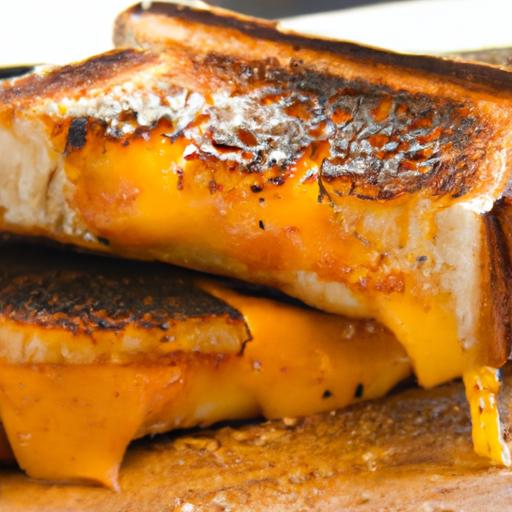

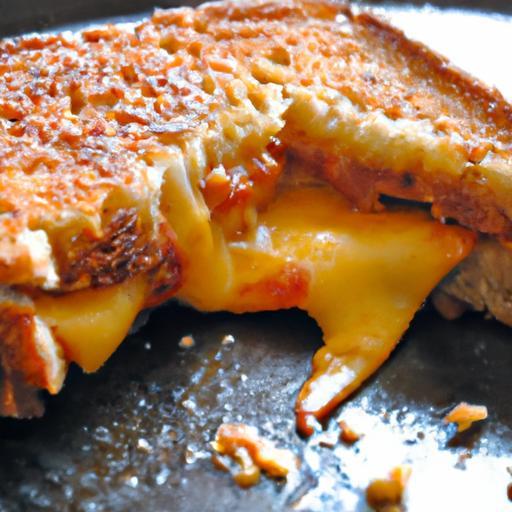
There’s something undeniably magical about the humble grilled cheese sandwich-a golden, buttery crust encasing layers of melted, gooey cheese that beckon to be savored.But elevate this classic comfort food over an open flame in a trusty skillet, and you unlock a whole new realm of possibility: the perfect skillet fire grilled cheese delight. In this article, we’ll journey thru the art and science behind achieving that irresistible crunch and oozing center, exploring techniques, tips, and flavor twists that transform simple bread and cheese into a masterpiece worthy of any gourmet craving. Prepare your skillet and ignite your passion-because mastering the perfect fire-grilled cheese is not just cooking, it’s an experience.
Mastering the Perfect Skillet Fire Grilled Cheese Delight is all about marrying the melt with the crunch-transforming a humble sandwich into a golden, bubbling masterpiece. The secret lies in carefully selecting the ideal bread and cheese, crafting a luxurious butter blend for that irresistible skillet crispiness, and controlling temperature with precision to coax out an ooey-gooey, evenly melted interior.
Prep and Cook Time
- Preparation: 10 minutes
- Cooking: 12-15 minutes
- Total: 22-25 minutes
Yield
Serves 2 generous portions
Difficulty Level
Easy to Medium - Perfect for both beginners and seasoned cooks aiming to elevate their grilled cheese game.
ingredients
- 4 slices of hearty artisan bread, such as sourdough or rustic country loaf
- 4 tablespoons unsalted butter, softened
- 1 tablespoon mayonnaise (optional, for extra crispness in butter blend)
- 6 ounces cheese blend: 3 oz sharp white cheddar, 3 oz Gruyère, both shredded
- 1 teaspoon garlic powder (for butter blend)
- Fresh cracked black pepper, to taste
- Optional fillings: thinly sliced tomato, caramelized onions, fresh basil leaves, or sautéed mushrooms
Selecting the Ideal Bread and Cheese
Choosing the right bread is pivotal. Rustic sourdough offers the perfect crust-to-soft interior ratio; its tangy crumb contrasts beautifully with rich cheese. Avoid breads that are too thin or dense-aim for a slice about ¾-inch thick to hold fillings and stand up to the skillet’s heat without sogginess.
for cheese, a blend combining sharp cheddar‘s punch with the nutty, creamy melt of Gruyère achieves a luscious texture. These cheeses develop that superb meltability with complex flavor, creating the rich, stringy, bubbling core we crave.
Crafting the Perfect Butter Blend for Golden Skillet Crispiness
The butter mixture is a game-changer. Softened unsalted butter whipped with a little mayonnaise and a sprinkle of garlic powder creates an emulsified coating that browns evenly and crisps irresistibly. Mayonnaise adds a slight tang and helps the butter cling tightly, while garlic adds aromatic depth.
Mastering Temperature Control to achieve Evenly Melted Cheese
Patience is key. Starting the skillet on medium-low heat allows the butter to sizzle gently without burning, giving the cheese time to melt slowly.flipping too soon or cooking on too high heat results in scorching bread and cold cheese. Covering the pan briefly traps heat and encourages even melting.
Innovative Fillings and Flavor Boosters to Elevate Your Grilled Cheese
think beyond the basics. Adding thinly sliced ripe tomato and fresh basil introduces brightness and freshness, perfect with the sharp cheddar. Caramelized onions lend a deep sweetness that contrasts the savory cheese. For earthiness, sautéed mushrooms lightly seasoned with thyme elevate the sandwich to gourmet territory.
Instructions
- Prepare the butter blend: in a small bowl, combine softened butter, mayonnaise, and garlic powder. Mix until smooth and spreadable. Set aside.
- Assemble the sandwiches: Spread a generous layer of butter mixture on one side of each bread slice. On the unbuttered side, layer shredded cheddar and Gruyère evenly. Add any optional fillings you desire, then top with another slice of bread, buttered side out.
- Heat your skillet: Preheat a heavy-bottomed skillet or cast iron pan over medium-low heat. Once hot, carefully place the sandwiches in the pan.
- Cook slowly: Allow sandwiches to cook for about 5-7 minutes on the first side, adjusting heat as needed to achieve a deep golden crust without burning. Flip gently using a spatula.
- Cover and finish: After flipping, cover the skillet with a lid or foil to trap heat, letting the cheese melt evenly. Cook another 5-7 minutes, checking frequently to avoid over-browning.
- Rest and serve: Remove sandwiches from the skillet and let rest for 1-2 minutes before slicing.This brief rest keeps the molten cheese from spilling out promptly.
Chef’s Notes
- For dairy-free options, substitute butter with a high-quality vegan spread and select plant-based cheeses designed for melting.
- If your bread is not sturdy enough, lightly toasting slices beforehand helps prevent sogginess in the skillet.
- Experiment with seasoning the butter blend by adding fresh chopped herbs like chives or parsley for an herby aroma.
- Want extra crunch? Sprinkle panko breadcrumbs on the buttered bread exterior before pan-searing.
- Make-ahead: Assemble sandwiches without cooking, wrap tightly in plastic wrap, and refrigerate up to 24 hours. Cook directly from the fridge,adding an extra minute per side.
Serving Suggestions
Present your skillet fire grilled cheese on a wooden board or rustic plate. Garnish with fresh thyme sprigs or a small bowl of tangy tomato bisque for dipping. A crisp side salad with a shining vinaigrette adds a refreshing balance. For a touch of indulgence, drizzle with a thin line of honey or a sprinkle of smoked paprika to highlight layers of flavor.

| Nutritional Info (per serving) | Calories | Protein | Carbs | Fat |
|---|---|---|---|---|
| Grilled Cheese Sandwich | 480 kcal | 22 g | 32 g | 30 g |
For deeper dives into cherished comfort foods, try our Homemade Tomato Bisque recipe-a perfect match for the indulgent grilled cheese experience. for more cheese science and melt tips, visit Serious Eats.
Q&A
Q&A: Mastering the Perfect Skillet Fire Grilled Cheese Delight
Q1: what makes a grilled cheese “fire grilled” compared to a regular grilled cheese?
A1: “Fire grilled” elevates the classic grilled cheese by cooking it over an open flame or very hot skillet,which creates a beautifully charred,smoky crust. This slightly crispy, caramelized exterior contrasts wonderfully with the ooey-gooey interior, adding layers of texture and flavor that a standard stovetop grilled cheese can’t quite replicate.
Q2: Which type of bread works best for the perfect skillet fire grilled cheese?
A2: A sturdy, well-structured bread like sourdough, rustic country loaf, or a thick-cut artisan white bread shines here. These breads hold up to intense heat without falling apart and develop a crisp, golden crust while locking in moisture for that irresistible chew.
Q3: What are the essential cheese qualities to consider for an ideal fire grilled cheese?
A3: Look for cheeses that melt smoothly and have a rich, complementary flavor. Classic choices include sharp cheddar for its tang and meltability, mozzarella for stretch, or a blend like gouda and gruyère for a nutty, luxurious bite. The magic lies in balance-melting ability paired with depth in taste.
Q4: How do you achieve the perfect balance between a crisp outside and a melty inside?
A4: Maintain medium to medium-low heat to toast the bread slowly, giving the cheese time to melt without burning the crust. Press the sandwich gently with a spatula or a weight to create even contact with the skillet. Patience is key-rushing the heat often scorches the bread before the cheese is delightfully melted.
Q5: Can I add fillings beyond cheese, and what pairs well without overpowering the sandwich?
A5: Absolutely! Simple additions like caramelized onions, sautéed mushrooms, fresh tomato slices, or a handful of baby spinach can introduce marvelous complexity while letting the cheese star shine. The goal is to complement, not overwhelm, so think fresh, subtle flavors with a hint of sweetness or earthiness.
Q6: What type of fat or spread is best to use on the bread before grilling?
A6: Butter is a timeless classic, lending a rich, golden crust and that deliciously buttery aroma. For a slight twist, clarified butter or a high-quality olive oil can add different flavor notes and resist burning better. Some even blend softened butter with a pinch of smoked paprika or garlic powder for extra zest.
Q7: how do you clean the skillet after making a fire grilled cheese?
A7: Once it’s cooled a bit, wipe the skillet with a paper towel to remove excess grease and bits. For stubborn residue, use warm water and a soft sponge; avoid harsh scrubbing to protect your skillet’s seasoning. A light coat of oil after cleaning helps maintain the surface for next time.
Q8: Any tips for serving and enhancing the final fire grilled cheese delight?
A8: Serve immediately while still molten inside and crisp outside. Pair it with a vibrant soup like tomato basil or a crunchy side salad for contrast. A dash of flaky sea salt on top can further elevate that toasty crust, and a sprinkle of fresh herbs like thyme or chives injects a fresh, aromatic finish.
Get ready to ignite your taste buds and transform humble ingredients into a masterpiece of smoky, cheesy bliss with these skillet fire grilled cheese secrets!
The Way Forward
As you close the lid on your skillet and take that first gratifying bite, you’ll realize that mastering the perfect fire-grilled cheese is more than just a recipe-it’s an art form. From selecting the ideal bread and cheese to harnessing the perfect flame and timing, each element plays its part in crafting a sandwich that’s crispy, gooey, and irresistibly satisfying. So next time hunger calls, remember that with a little practice and the right technique, your skillet can transform simple ingredients into a golden masterpiece. fire up your stovetop, embrace the sizzle, and let every grilled cheese delight be a testament to your newfound culinary prowess. Your taste buds-and your skillet-will thank you.