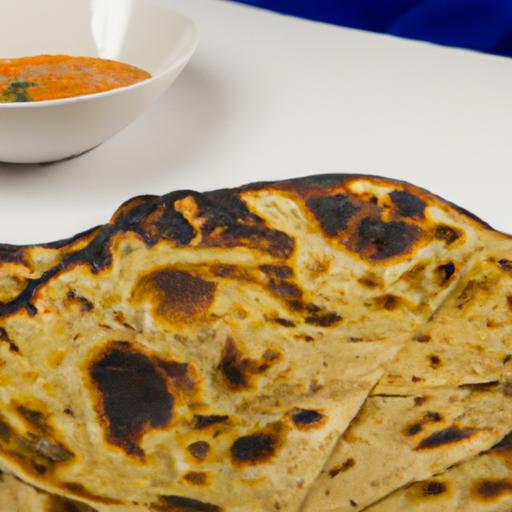

nestled at the heart of Indian cuisine, naan is much more than just a bread-it’s a culinary tapestry woven from centuries of history, culture, and craftsmanship. Soft, pillowy, and perfectly charred from the tandoor’s fiery embrace, naan has traveled far beyond the bustling streets of Delhi and the royal kitchens of Mughal emperors to become a beloved staple on tables around the world.But what stories lie behind this iconic flatbread’s humble origins? In “Naan unwrapped: The Story Behind the Iconic Indian Bread,” we embark on a flavorful journey to uncover the rich heritage, unique techniques, and diverse regional twists that have shaped naan into the mouthwatering symbol of Indian gastronomy it is today.
Naan Unwrapped delves deep into the captivating journey of India’s iconic bread, celebrated not only for its pillowy softness but for its rich heritage across diverse regions. From the royal kitchens of Mughal emperors to the humble street vendors of Punjab, naan’s evolution mirrors India’s culinary tapestry, embracing local ingredients and baking techniques that shape its texture and flavor profile uniquely in each locale.
The Culinary Journey of Naan: Origins and Regional Evolution
Naan’s roots can be traced back to ancient Persia and Central Asia, but it was India’s northern regions that perfected the art of this flatbread in the fiery embrace of a tandoor oven. Conventional Punjab naan is renowned for its smoky crust and soft crumb,while Rajasthan and Gujarat introduced subtly spiced or stuffed variations reflecting their local palate. Traveling further south, naan adapts into thinner, unleavened versions, showcasing the vastness of Indian bread traditions. This evolution embodies the craftsmanship and cultural dialog surrounding one of the most cherished Indian breads.
Mastering the Art and Science Behind Perfectly Fluffy naan
Perfect naan walks a fine line between science and artistry. the secret lies in the dough’s hydration, fermentation time, and baking temperature. A balanced combination of all-purpose flour, yogurt or milk for tenderness, and yeast or baking powder allows gluten to develop just right - ensuring each tear produces a warm, airy texture. High heat in a tandoor, or alternatively a hot cast-iron skillet, caramelizes the surface while creating delightful blisters that speak to naan’s signature character.
Traditional and Modern Naan Variations to Inspire
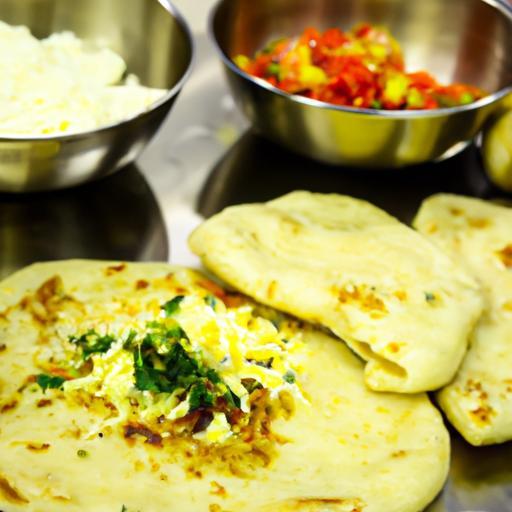
Traditionalists cherish classics like garlic naan or butter naan,often brushed with ghee to deepen richness. Yet modern innovation brings exciting twists: stuffed naans filled with spiced paneer, kala chana mash, or minced vegetables entice adventurous palates. Gluten-free flours and vegan options incorporating coconut yogurt broaden naan’s appeal without compromising its core fluffiness. Each variant adds a new layer to naan’s evolving narrative.
Prep and Cook Time
- Readiness: 15 minutes
- Dough Rising: 1 to 1.5 hours
- Cooking: 2-3 minutes per naan
Yield
6 medium-sized naans
Difficulty Level
Medium – requires basic dough handling skills and attention to baking temperatures
Ingredients
- 2 cups all-purpose flour, sifted
- 1/2 cup warm water (about 110°F)
- 1/4 cup plain yogurt, at room temperature
- 1 tsp active dry yeast
- 1 tsp sugar
- 1/2 tsp baking powder
- 1/2 tsp salt
- 2 tbsp melted butter or ghee, plus extra for brushing
- 1 tbsp finely chopped garlic (optional, for garlic naan)
- Fresh coriander leaves, chopped (optional garnish)
Instructions
- Activate the yeast: In a small bowl, combine warm water, sugar, and yeast. Stir gently and let it sit for 8-10 minutes untill frothy and bubbly.
- Make the dough: In a large mixing bowl, whisk together the sifted flour, baking powder, and salt. Add the yogurt,melted butter,and activated yeast mixture. Stir with a spoon to combine.
- Knead: Transfer the dough onto a lightly floured surface. Knead for 8-10 minutes until soft, elastic, and slightly sticky. Add a few drops of water or flour to adjust if necessary.
- Rest and rise: Place the dough in a greased bowl, cover with a damp cloth, and let it rise in a warm place for 1 to 1.5 hours, until doubled in size.
- Divide and shape: Punch down the dough gently. Divide into 6 equal portions.Roll each into a smooth ball, then stretch or roll into an oval (about 6-8 inches) on a lightly floured surface.
- Cook the naan: Heat a cast-iron skillet or tandoor alternative over medium-high heat.Place one naan on the hot surface. Cook until bubbles form and the bottom is golden brown (about 1.5 minutes). Flip and cook the other side, pressing gently with a spatula to encourage puffing.
- Finish: Remove naan from the skillet. Instantly brush with melted butter or ghee and sprinkle with optional garlic or coriander for flavor.
- serve warm: Stack the naans covered with a clean kitchen towel to keep them soft.
Tips for Success
- Ensure yoru yeast is fresh: Frothiness indicates active yeast, crucial for fluffy naan.
- Warmth is key: Keep dough in a warm, draft-free area for optimal rising.
- Use dairy: Yogurt or milk enhances tenderness and flavor, replicating traditional recipes.
- Cooking surface: A super-hot cast iron skillet mimics the tandoor’s blast,producing beautiful charring and bubbles.
- To make garlic naan: Press minced garlic onto the rolled dough before cooking for aromatic bursts.
- Make-ahead: Dough can be refrigerated overnight; bring to room temperature before rolling.
Serving Suggestions
naan’s versatility makes it the perfect companion to an array of Indian dishes. Serve warm alongside rich, velvety curries like butter chicken, chana masala, or earthy dal tadka. Garnish with fresh coriander,a drizzle of melted ghee,or a sprinkle of nigella seeds for an elevated presentation. For a snack, naan stuffed with spiced potatoes or paneer can be enjoyed with tangy chutneys or crisp pickles, creating a fulfilling bite bursting with flavor and texture.

| Nutrient | Per Serving (1 naan) |
|---|---|
| Calories | 210 kcal |
| Protein | 6 g |
| Carbohydrates | 35 g |
| Fat | 5 g |
Discover more authentic Indian bread recipes like our classic roti guide, or explore the food science of bread baking at King Arthur Baking’s expert site.
Q&A
Q&A: Naan Unwrapped – The Story behind the Iconic Indian Bread
Q1: What exactly is naan,and how did it become a staple in Indian cuisine?
A1: naan is a soft,pillowy flatbread that’s traditionally cooked in a tandoor-a cylindrical clay oven. Its origins trace back centuries to the Indian subcontinent, where the fusion of ancient bread-making techniques and the tandoor’s high heat gave birth to this tasty staple. Over time, naan’s versatility and comfort-food appeal made it a beloved accompaniment to countless Indian dishes.
Q2: How does the traditional method of making naan differ from other flatbreads?
A2: Unlike unleavened flatbreads like roti or chapati, naan is leavened with yeast or sometimes yogurt, which gives it a light and airy texture. The dough is hand-stretched, then slapped onto the hot walls of the tandoor where it puffs up beautifully and develops those signature charred bubbles and a slightly smoky flavor-an alchemy that’s hard to replicate with a regular stovetop pan.
Q3: Why is naan frequently enough associated with festive meals and special occasions?
A3: Historically, naan was considered a bread fit for royalty and special feasts, mainly as the tandoor was a luxury oven often found in palaces and noble kitchens. Its rich texture and the skill required to make it elevated naan to a celebratory status. Today, while naan is enjoyed daily across India, it still carries that aura of indulgence during weddings, festivals, and feasts.
Q4: Are there regional variations of naan within India?
A4: Absolutely! While the classic naan is widely popular, regions have their own delightful spins.In Kashmir, for example, you might find “Tandoori Naan” stuffed with flavorful nuts and dried fruits. In Punjab, garlic naan is a beloved variation, bursting with fragrant minced garlic. Each version tells a story about the local tastes and ingredients that shape the naan experience.
Q5: What ingredients make naan so distinct in flavor and texture?
A5: The magic lies in simple, quality ingredients-flour, water, yogurt, yeast, and a pinch of salt. Yogurt not only acts as a leavening agent alongside yeast but also tenderizes the dough, enriching the bread with a subtle tanginess. some recipes add ghee or butter after baking, enhancing the aroma and creating a melt-in-the-mouth finish.
Q6: can naan be made without a tandoor, and how does that impact the final bread?
A6: Yes! While a traditional tandoor imparts a unique smoky char and blistered texture, naan can also be made on a hot griddle or cast-iron skillet at home. Though the flavor might be less smoky, the bread still achieves that delightful chew and soft crumb when cooked at high heat. Many home cooks even finish their naan under a broiler to mimic the tandoor’s intense heat.
Q7: What are some classic dishes that naan perfectly complements?
A7: Naan serves as the perfect partner to spicy curries and rich gravies-think butter chicken,paneer tikka masala,or dal makhani. Its soft texture balances out bold flavors, making each bite a harmonious blend. It’s also fantastic for scooping up chutneys, pickles, or even transforming into a fast wrap filled with kebabs or vegetables.
Q8: How has naan evolved in global cuisine outside India?
A8: Around the world, naan has inspired endless creativity. Beyond Indian restaurants, it’s found new life as a pizza base, a sandwich wrap, or a sidekick to fusion dishes. Chefs often experiment by topping it with ingredients like fresh herbs, cheeses, or roasted vegetables, showcasing naan’s adaptability while honoring its traditional roots.
Q9: Can naan be enjoyed by those with dietary restrictions?
A9: Certainly! While traditional naan contains gluten, many have adapted recipes using gluten-free flours like chickpea or rice flour. Vegan variations swap out dairy yogurt for plant-based alternatives, maintaining the softness and flavor. This inclusivity ensures that naan’s delicious story can be shared by all.
Q10: What’s a fun fact about naan that many people might not know?
A10: Here’s a tasty tidbit: the word “naan” comes from persian,meaning “bread.” Its journey into indian kitchens is a perfect example of cultural exchange across centuries, reflecting how food evolves and connects people across borders-even long before the internet or airplanes! So, every bite of naan is a bite of history, tradition, and shared heritage.
The Conclusion
From the bustling street corners of Delhi to the serene kitchens of rural Punjab, naan has journeyed far beyond a simple accompaniment to curry. This humble bread,with its golden char and pillowy softness,carries centuries of history baked into every bite.By unwrapping naan’s story, we uncover not just a culinary staple, but a symbol of cultural fusion, tradition, and innovation. So the next time you tear into a warm piece of naan, remember-it’s more than bread. It’s a delicious thread connecting past and present, community and kitchen, flavor and heritage.