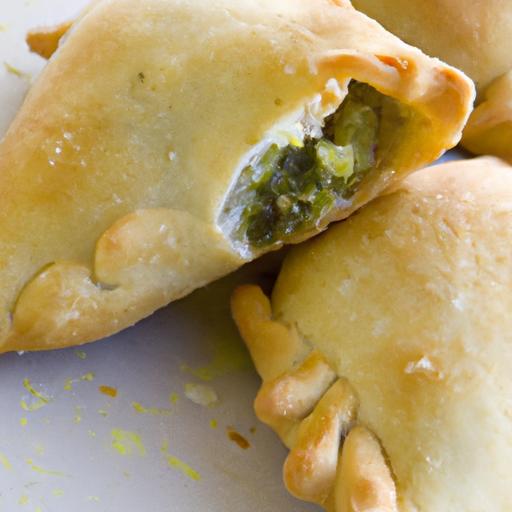


Nestled at the crossroads of history and hearth, Savory Baked Greek Green Pockets embody more than just a delightful snack-they are a vibrant testament to Greece’s rich culinary heritage. Bursting with aromatic herbs, tangy cheeses, and fresh greens wrapped in flaky, golden pastry, these pockets offer a harmonious blend of flavors that tell a story of tradition, family gatherings, and timeless recipes passed down through generations. In this article, we delve into the origins, ingredients, and cultural significance of these beloved treats, inviting you to explore and savor a flavorful tradition that continues to enchant palates far beyond the Mediterranean shores.
Exploring the Origins and Cultural Significance of Greek Green pockets
Savory Baked Greek Green Pockets are a cherished culinary gem that invite us to explore the rich tapestry of Greek tradition and regional flair. These delightful pastries, filled with verdant herbs and creamy cheese, trace their origins back to the fertile lands of the Peloponnese and Crete, where local farmers and home cooks transformed simple, fresh greens into a nourishing, portable feast. Passed down through generations, these green pockets embody both practicality and celebration-a recipe born out of rural ingenuity, yet served proudly at festive gatherings.
Their unmistakable emerald filling symbolizes abundance and renewal, showcasing ingredients like spinach, wild greens (horta), and feta cheese-all staples in Greek kitchens. Beyond their nourishing qualities, these pockets tell a story of family, community, and the Mediterranean way of life, blending flavors that are at once rustic and refined. Whether served as a snack, appetizer, or light meal, they beckon food lovers to savor not just the taste, but the cultural heritage wrapped in every golden crust.
Prep and Cook Time
- Readiness: 25 minutes
- Cooking Time: 30 minutes
- Total Time: 55 minutes
Yield
Approximately 12 servings (12 pockets)
Difficulty Level
Medium – Ideal for cooks ready to explore dough handling and filling balance
Ingredients
- For the Dough:
- 2 cups all-purpose flour, sifted
- 1/2 teaspoon fine sea salt
- 3 tablespoons olive oil, plus extra for brushing
- 2/3 cup warm water (approximate)
- For the Filling:
- 5 cups fresh spinach, washed and chopped
- 2 cups mixed wild greens (horta) or kale, chopped
- 1 medium onion, finely diced
- 3 cloves garlic, minced
- 1/3 cup fresh parsley, minced
- 1/2 cup fresh dill, chopped
- 1 cup crumbled feta cheese (avoid brined blocks for less salt)
- 3 tablespoons extra virgin olive oil
- Salt and freshly cracked black pepper, to taste
- Juice of half a lemon
Instructions
- Prepare the dough: In a large mixing bowl, whisk together the flour and salt. Add the olive oil and gradually pour in warm water, stirring with a fork or your hand until a shaggy dough forms.
- Knead the dough: Transfer dough to a floured surface and knead for 8-10 minutes until smooth and elastic. Form into a ball, coat lightly with olive oil, cover with a clean towel, and let rest for at least 30 minutes.
- Make the filling: Heat 3 tablespoons olive oil in a large skillet over medium heat.Add the diced onion and sauté until translucent, about 5 minutes. Stir in garlic and cook for 1 minute more.
- Add greens: Gradually add spinach and wild greens, sautéing and stirring frequently until deeply wilted and any liquid evaporates, roughly 8-10 minutes. Remove from heat.
- Season the filling: Mix in parsley, dill, lemon juice, salt, and pepper. Allow the mixture to cool slightly, then fold in crumbled feta cheese delicately to maintain texture.
- Roll out the dough: Divide rested dough into 12 equal pieces. On a lightly floured surface, roll each piece into a thin 5-inch circle, aiming for an even thickness to ensure flaky baking.
- Fill pockets: Place 2-3 tablespoons of filling onto one half of each dough circle, leaving a 1/2-inch edge. Avoid overfilling to prevent tearing.
- Seal and shape: Moisten edges with water, then fold dough over filling to create a half-moon shape. Press edges firmly with fingers, then crimp with a fork for a decorative seal.
- Prepare for baking: Arrange filled pockets on a parchment-lined baking tray. Lightly brush tops with olive oil to encourage beautiful golden browning.
- Bake: Preheat oven to 375°F (190°C). Bake pockets for 25-30 minutes,or until golden and crisp. Rotate tray halfway through to ensure even coloring.
- Rest and serve: Let pockets cool on a wire rack for 5 minutes before serving to preserve crunch and allow flavors to meld.
Tips for Success
- Greens variation: Substitute or blend your greens with Swiss chard, arugula, or beet greens to add distinct flavor profiles.
- Make-ahead dough: Dough can be prepared up to 24 hours in advance and refrigerated tightly wrapped-bring to room temperature before rolling.
- Feta balance: For creamier filling, combine feta with ricotta or Greek yogurt. Avoid overly salty feta varieties to maintain a balanced taste.
- Achieving flakiness: Ensure dough is rolled evenly thin but not paper thin. Resting dough after kneading relaxes the gluten, allowing crisp, tender pockets.
- Choice cooking method: For a rustic touch,pan-fry pockets in a non-stick skillet with olive oil over medium heat until golden and crisp on both sides (approx. 3-4 minutes per side).
Serving Suggestions
These savory baked Greek green pockets shine when paired with simple accompaniments that enhance their fresh, herbal notes. Serve warm alongside a crisp Greek salad adorned with juicy heirloom tomatoes, cucumber, and Kalamata olives dressed in lemon and oregano. A cooling dollop of traditional tzatziki or a vibrant roasted red pepper dip brings harmony to each bite.
For presentation, garnish with a sprinkle of fresh chopped dill or parsley and a few lemon wedges to brighten flavors at the table. offered as part of a mezze spread, they invite shared enjoyment and discovery of Mediterranean hospitality.

Nutritional Details
| Serving Size | Calories | Protein | Carbs | Fat |
|---|---|---|---|---|
| 1 Pocket (approx. 90g) | 180 kcal | 6 g | 22 g | 7 g |
For further inspiration, explore our detailed guide on Mediterranean Herb Pies to discover more ways to celebrate fresh, savory pastries. For authentic Greek culinary history, visit Greek Gastronomy Guide, an authoritative source on greece’s food culture and traditions.
Q&A
Q&A: Savory Baked Greek Green Pockets – A Flavorful Tradition
Q1: What exactly are Greek Green Pockets?
A1: Greek Green Pockets, also known as “Spanakopita pockets” or “hortopita,” are delightful savory pastries traditionally filled with a vibrant mixture of greens-usually spinach or other wild greens-blended with feta cheese, herbs, and sometimes onions. They’re wrapped in flaky phyllo dough and baked until golden, offering a beautiful marriage of crispness and tender filling.
Q2: Why are these pockets considered a flavorful tradition in Greek cuisine?
A2: These pockets carry deep cultural roots, reflecting Greece’s love for fresh, seasonal ingredients and simple, honest cooking. Passed down through generations, they celebrate the bounty of local greens and the unique tang of feta cheese, symbolizing home-cooked comfort and communal sharing at family gatherings and festive occasions.
Q3: what greens can be used to make these pockets? Are there alternatives to spinach?
A3: While spinach is the most popular choice, traditional recipes often incorporate a variety of wild greens such as dandelion leaves, sorrel, or chard, each adding their distinctive earthy or slightly tangy notes. This versatility showcases the Greek culinary principle of using what’s fresh and available, making every batch uniquely tied to the season and region.
Q4: What role does feta cheese play in the filling?
A4: Feta cheese adds a creamy, salty, and slightly tangy dimension that perfectly balances the mellow greens. Its crumbly texture melts slightly during baking, binding the filling together, while its distinct flavor elevates the taste profile from simply herbal to deeply savory and satisfying.
Q5: How does the phyllo dough contribute to the overall experience?
A5: Phyllo dough is iconic in Greek pastries, known for its delicate, paper-thin layers that become irresistibly crispy when baked. In Greek Green Pockets, it creates a light and crunchy shell, contrasting the soft filling inside-a textural harmony that makes each bite a delight.
Q6: Can these pockets be made ahead and frozen?
A6: Absolutely! One of the joys of Greek Green Pockets is their convenience. You can assemble them in advance, freeze them raw or baked, and then reheat in the oven for a freshly crisped treat any time. They’re perfect for busy days or unexpected guests.
Q7: Are Greek Green Pockets suitable for special diets?
A7: These pockets can often be adapted to suit vegetarian diets, and with some creativity, even vegan versions can be crafted by substituting feta with plant-based alternatives and using olive oil in place of butter or eggs. They’re naturally gluten-free onyl if using specialized phyllo dough, so those with gluten sensitivities should check ingredient labels carefully.Q8: How are Greek Green pockets traditionally served?
A8: Traditionally, these savory parcels are served warm or at room temperature, often as appetizers, snacks, or light meals. They pair beautifully with a fresh Greek salad, a dollop of yogurt, or a simple squeeze of lemon to brighten their earthy flavors.
Q9: What herbs are typically used in the filling?
A9: Dill, parsley, and mint are some of the most common herbs infused into the filling, lending freshness and aromatic depth. These herbs complement the greens and feta, enhancing the pockets’ radiant and lively taste.
Q10: What makes Greek Green Pockets stand out compared to other savory pastries around the world?
A10: Their magic lies in the balance of textures and flavors-crispy, flaky phyllo housing a fresh, herbal, and cheesy filling bursting with Mediterranean character. unlike heavier or meat-centered pastries, these green pockets provide a light yet flavorful bite that feels both nourishing and indulgent, anchoring them firmly as a beloved staple in Greece’s culinary tapestry.
Insights and Conclusions
As the aroma of savory baked Greek green pockets fades from your kitchen, their rich heritage lingers on your palate and in your heart. More than just a flavorful treat, these pockets carry the stories of generations-each bite a tribute to tradition, community, and the timeless art of Greek cooking. Whether shared at a festive gathering or savored in a quiet moment, they remind us that food is much more than sustenance; it’s a celebration of culture and connection. So next time you crave a flavorful escape, reach for these golden pockets-they’re not just a recipe, but a vibrant slice of Greece’s culinary soul.