
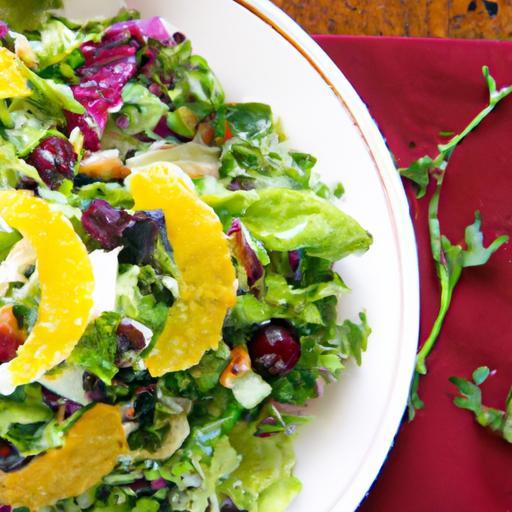
Ther’s something truly magical about a salad that’s both crisp and colorful-a vibrant medley of fresh greens,juicy tomatoes,crunchy cucumbers,and a rainbow of other garden delights. Beyond being a feast for the eyes, fresh garden salads offer a refreshing burst of flavor and a nourishing boost that can transform any meal into a festivity of nature’s bounty. In this ultimate guide,we’ll explore the art of crafting the perfect garden salad,from selecting the freshest ingredients to mixing textures and flavors that dance on your palate. Whether you’re a seasoned salad enthusiast or just starting your journey to healthier eating, prepare to discover tips, tricks, and creative ideas that will elevate your greens from simple sides to star dishes. Welcome to a world where crispness meets color, and every bite tastes like sunshine.
Crisp and colorful salads come to life when you carefully select the freshest greens, marry them with vibrant vegetable textures, and finish with dressings that make every bite sing. These garden gems not only deliver a visual feast but pack diverse flavors and satisfying crunch. Whether you’re a seasoned salad enthusiast or easing into the world of fresh vegetable combinations, mastering these elements transforms simple greens into an irresistible experience.
Prep and Cook Time
Planning: 20 minutes
No cooking required-just fresh assembly and mixing.
Yield
Serves 4 generously as a main dish or 6 as a side salad.
Difficulty Level
Easy: Perfect for every cook looking to elevate fresh greens.
Ingredients
- 3 cups mixed greens (baby spinach, arugula, and butter lettuce)
- 1 cup kale, finely shredded, stems removed
- 1 cup radicchio, chopped for that deep purple pop
- 1 cup crisp cucumber ribbons, peeled thin with a vegetable peeler
- 1 cup colorful cherry tomatoes, halved
- 1 medium carrot, julienned
- 1/2 cup sugar snap peas, sliced diagonally
- 1/4 cup fresh herbs (basil, parsley, or mint), roughly chopped
- 1/4 cup toasted sunflower seeds or walnuts for crunch
- For the dressing:
- 3 tbsp extra-virgin olive oil
- 2 tbsp freshly squeezed lemon juice
- 1 tbsp honey or maple syrup
- 1 tsp Dijon mustard for tangy brightness
- Salt and freshly ground black pepper to taste
Instructions
- Prepare the greens: Rinse all greens thoroughly and spin dry in a salad spinner to keep them crisp. Tear larger leaves into bite-sized pieces for easier eating.
- Combine vegetables: In a large bowl, gently toss the mixed greens with kale, radicchio, cucumber ribbons, cherry tomatoes, julienned carrot, and snap peas. Keep the mixing light to prevent bruising the delicate greens.
- Make the dressing: In a small bowl, whisk together olive oil, lemon juice, honey, Dijon mustard, salt, and pepper until emulsified. Taste and adjust seasoning as needed-balance is key between acidity and sweetness.
- Toss the salad: Pour the dressing over the salad just before serving. Use salad tongs or clean hands to gently combine, ensuring every leaf is lightly coated.
- Finish with texture and aroma: Sprinkle toasted sunflower seeds and fresh herbs on top, adding a final burst of crunch and fragrance that elevates the salad to something truly special.
Tips for Success
- Mix your greens: Combine tender leaves like butter lettuce with more robust options such as kale or arugula to balance texture and flavor complexity.
- Keep it cool: Chill your greens before assembling for ultra-crisp results that stay fresh through serving.
- Customize seasonally: Swap the cherry tomatoes for roasted beets in fall, or add fresh peas and asparagus tips in spring for year-round garden salad magic.
- Make ahead: Prepare the dressing up to 3 days in advance and store in an airtight container. Toss salad just before serving for the best texture.
- Toast nuts and seeds: A speedy 2-3 minute toast in a dry skillet heightens their flavor and adds irresistible crunch.
Serving Suggestions
Present your salad in a wide shallow bowl or rustic wooden salad bowl to showcase the vibrant colors. Garnish with edible flowers or microgreens to amplify visual appeal. Pair this crisp and colorful garden salad with freshly baked crusty bread or serve as a refreshing side to grilled lemon-herb chicken or wild-caught fish for a balanced meal.
| Nutrient | Per Serving |
|---|---|
| Calories | 120 Kcal |
| Protein | 3 g |
| Carbohydrates | 10 g |
| Fat | 8 g |
Explore more inspiration for fresh, healthy recipes on our Seasonal Vegetable Recipes page. For further tips on ingredient selections and nutritional benefits of leafy greens, visit the USDA’s Vegetable Guidance.

Q&A
Q&A: Crisp & Colorful – The Ultimate Guide to Fresh Garden Salads
Q1: What makes a garden salad truly fresh and vibrant?
A: The secret lies in using the freshest produce you can find-locally grown or homegrown. Crisp lettuce varieties like romaine, butterhead, or arugula provide a strong base, while colorful veggies such as cherry tomatoes, radishes, bell peppers, and shredded carrots add bursts of flavor and eye-catching hues. Fresh herbs like basil, cilantro, or dill can elevate your salad from good to gourmet.
Q2: how do I choose the best greens for my garden salad?
A: Aim for a mix of textures and flavors. Combine sturdy leaves (romaine, kale) with delicate ones (baby spinach, mâche) for a balanced bite. Look for bright, firm leaves with no wilting or discoloration. Experiment with peppery arugula or slightly bitter endive to add complexity to your mix.
Q3: What are some creative toppings to make my salad more exciting?
A: think beyond the basics! Crunchy roasted nuts, tangy feta or goat cheese crumbles, juicy pomegranate seeds, or sweet dried cranberries can add texture and flavor contrast. Grated fennel, thinly sliced cucumbers, or snap peas inject fresh, crisp notes, while a sprinkle of toasted seeds like sunflower or pumpkin gives an earthy crunch.
Q4: Can I prepare my garden salad ahead of time without it turning soggy?
A: Absolutely! Keep your components separate-store washed greens in a dry container lined with paper towels,and hold dressings and delicate toppings apart until serving. Assemble just before eating for maximum crispness and freshness.
Q5: What’s a simple, healthy dressing that complements fresh garden salads?
A: A classic vinaigrette is always a winner. Whisk together extra virgin olive oil, fresh lemon juice or apple cider vinegar, a touch of honey or Dijon mustard, salt, and pepper. This light dressing highlights the produce without overpowering it, keeping the salad crisp and refreshing.
Q6: How can I add protein to make my garden salad a complete meal?
A: Plant-based proteins like chickpeas,edamame,or quinoa provide hearty substance without heaviness.Grilled chicken, fish, or boiled eggs also make excellent additions for those who prefer animal proteins. These choices keep the salad light yet satisfying.
Q7: Are all salad greens created equal in terms of nutrition?
A: Not quite! Dark leafy greens such as kale, spinach, and Swiss chard pack more vitamins A, C, and K, plus antioxidants, compared to iceberg lettuce, which is mostly water and fiber. Mixing a variety of greens ensures a blend of flavors and a nutritional boost.
Q8: How do seasonal changes influence garden salad ingredients?
A: Seasonal produce not only tastes better but is frequently enough more affordable and enduring. Spring and summer offer sweet peas, cucumbers, and strawberries, while autumn welcomes roasted root vegetables, apples, and hearty greens like chard. Embracing the seasons keeps your salads fresh and exciting year-round.
Q9: What’s the best way to wash and store salad greens?
A: Gently rinse your greens in cold water, than spin dry in a salad spinner or pat dry with clean towels to avoid sogginess. Store them loosely wrapped in paper towels inside an airtight container or a perforated bag in the fridge’s crisper drawer. This method prolongs freshness and crispness.
Q10: Can I experiment with international flavors in my garden salad?
A: Definitely! Add a mediterranean twist with olives, sun-dried tomatoes, and oregano; go Mexican with avocado, black beans, and lime juice; or try Asian influences by tossing in shredded cabbage, julienned carrots, fresh ginger, and a sesame-soy dressing. The world is your salad bowl!
Final Thoughts
As the vibrant hues of fresh garden salads continue to brighten plates and palates alike, embracing the art of crisp, colorful combinations opens a world of tasty possibilities. Whether you’re tossing together tender greens, crunchy veggies, or a sprinkle of herbs, the key to a truly memorable salad lies in freshness and balance. With this ultimate guide in hand, you’re now equipped to create salads that not only nourish the body but also delight the senses. So next time you reach for those greens, remember: a garden salad is more than just a side-it’s a celebration of nature’s freshest flavors, waiting to be enjoyed in every bite. Happy tossing!