
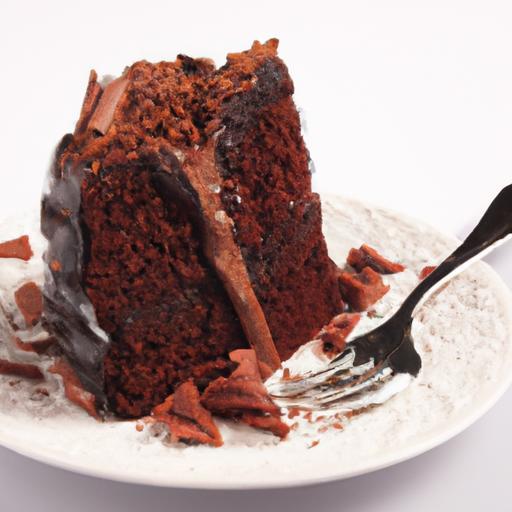
There is something almost magical about chocolate cake-a symphony of rich, velvety textures and deep, indulgent flavors that captivate the senses and evoke comfort and celebration alike. But beneath every luscious slice lies a engaging blend of art and science, where precise techniques meet creative flair to transform simple ingredients into a decadent delight. In this exploration of chocolate cake, we’ll unravel the secrets behind its irresistible allure, uncover the chemistry that makes it rise and melt, and celebrate the artistry that turns baking into a true craft. Weather you’re a curious foodie or an aspiring baker,join us as we dive into the sumptuous world of chocolate cake,where passion and precision come together in perfect harmony.
Decadent delights like chocolate cake have captivated palates worldwide, weaving a rich tapestry of cultural history and culinary innovation. From its origins as a bitter Aztec beverage to the velvety confections we savor today, this beloved dessert is a testament to both tradition and technique. Understanding the art and science behind chocolate cake transforms simple baking into a sensory celebration where texture and flavor harmonize in every bite.
Prep and Cook Time
- Preparation Time: 20 minutes
- Cooking Time: 35 minutes
- Cooling Time: 30 minutes
Yield
Serves 8 generously sized slices.
Difficulty Level
Medium – perfect for bakers ready to elevate their technique while enjoying a rewarding process.
Ingredients
- 1 ¾ cups all-purpose flour, sifted
- ¾ cup unsweetened cocoa powder, high quality
- 2 cups granulated sugar
- 1 ½ tsp baking powder
- 1 ½ tsp baking soda
- 1 tsp fine sea salt
- 2 large eggs, room temperature
- 1 cup whole milk, warmed
- ½ cup vegetable oil (neutral flavor)
- 2 tsp pure vanilla extract
- 1 cup boiling water
Instructions
- Preheat your oven to 350°F (175°C). Grease two 9-inch cake pans and line the bottoms with parchment paper for effortless release.
- In a large bowl, whisk together the sifted flour, cocoa powder, sugar, baking powder, baking soda, and salt until fully combined and aerated.
- In a separate mixing bowl, beat the eggs with the warm milk, vegetable oil, and vanilla extract until smooth and slightly frothy to promote lightness in the cake.
- Gradually add the wet ingredients to the dry ingredients, stirring gently with a spatula or whisk to avoid overmixing, which can toughen the cake crumb.
- Slowly incorporate the boiling water (be careful to add it gradually),stirring until the batter is fully combined. Note: The batter will be thin-that’s key for a moist, tender crumb.
- Pour the batter evenly into the prepared pans. Tap the pans gently on the counter to release any air bubbles and promote even baking.
- Bake for 30 to 35 minutes, rotating the pans halfway through for uniform color and rise. Insert a toothpick in the center; it should come out with a few moist crumbs, never wet batter.
- Allow the cakes to cool in their pans for 10 minutes, then transfer to wire racks to cool entirely before frosting.
chef’s Notes for Success
- Ingredient Quality: Opt for Dutch-processed cocoa to deepen the chocolate flavor and mellow acidity, enhancing the cake’s balance.
- Room Temperature essentials: Ensuring eggs and milk are not cold helps ingredients blend more harmoniously, minimizing batter separation.
- Mixing Technique: Use a gentle folding motion when combining wet and dry ingredients to preserve baking powder’s leavening strength, promoting fluffiness.
- Make-Ahead: The cake layers can be baked a day ahead and stored well-wrapped at room temperature. This resting time enhances moisture distribution and flavor development.
- Common Issue: If your cake turns dense,it may be due to overmixing or incorrect oven temperature. Use an oven thermometer to ensure accuracy.
Serving Suggestions
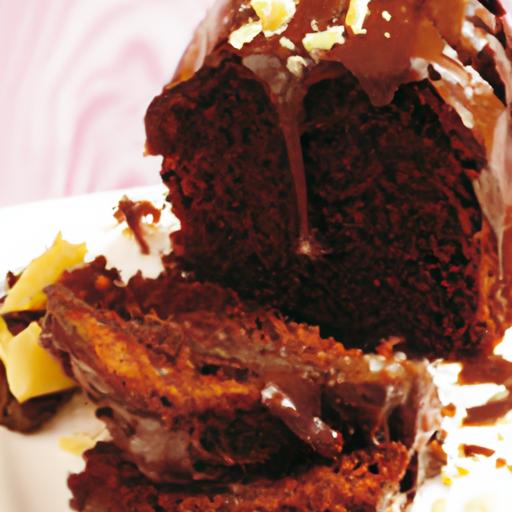
This cake shines when paired with a luscious ganache or classic buttercream frosting. Garnish with fresh raspberries or edible gold leaf to amp up the visual drama. For extra texture, sprinkle toasted crushed hazelnuts or flaky sea salt. Serve with a dusting of cocoa powder and a chilled glass of whole milk or salted caramel coffee for an irresistible experience.

| Nutrient | Per serving |
|---|---|
| Calories | 420 kcal |
| Protein | 6 g |
| Carbohydrates | 58 g |
| fat | 18 g |
For more ways to elevate your chocolate creations, check out Ultimate Chocolate Mousse. Dive deeper into the rich history of chocolate and baking techniques on the History Channel’s chocolate overview.
Q&A
Q&A: decadent Delights – The Art and Science of Chocolate Cake
Q1: what makes a chocolate cake truly “decadent”?
A: Decadence in chocolate cake is the harmony of rich, intense cocoa flavor combined with a moist, tender crumb and a luscious, velvety frosting. It’s the perfect balance between bittersweet chocolate depth and subtle sweetness, creating an indulgence that feels luxurious but never overwhelming.
Q2: How does the type of chocolate affect the final cake?
A: The choice of chocolate-whether dark, bittersweet, or unsweetened baking chocolate-directly influences flavor intensity and texture. Darker chocolates yield a more robust, slightly bitter flavor, while milk chocolate or cocoa powder can soften the intensity and add creamy notes. High-quality chocolate with a high cocoa percentage typically imparts more complexity, making each bite memorable.
Q3: Why is the science behind cake baking vital?
A: Understanding the science ensures that every element works in sync. For example, the interaction between leavening agents like baking soda and acidic ingredients helps the cake rise and develop a light crumb. Similarly,the way cocoa powder interacts with fats and liquids can affect moisture retention and texture,turning a simple recipe into a flawless masterpiece.
Q4: Can you explain the role of fats in chocolate cake?
A: Fats-whether butter, oil, or a combination-are vital for tenderness and moisture. Butter adds rich flavor and helps create a crumb with a delicate, melt-in-your-mouth quality. Oil, conversely, often leads to a moister cake due to its liquid state at room temperature. Choosing the right fat or mixing them thoughtfully helps achieve the desired texture.
Q5: What techniques help achieve a moist chocolate cake?
A: Several approaches enhance moistness: incorporating sour cream or yogurt adds acidity and fat that tenderize the crumb; adding coffee or espresso intensifies chocolate flavor while subtly improving moisture; and careful mixing to avoid overworking the batter prevents gluten overdevelopment, which can make cakes tough.
Q6: How important is temperature in baking chocolate cake?
A: Temperature control is crucial. Oven heat causes chemical reactions that determine rise, texture, and crust formation. Too hot, and the cake may rise rapidly and then collapse; too cool, and it won’t fully develop structure. room temperature ingredients also help create smooth batters that bake evenly.
Q7: What makes a frosting the perfect partner for chocolate cake?
A: The ideal frosting complements the cake without overshadowing it. Classic choices like silky chocolate ganache or creamy cream cheese frosting provide contrast in texture and sweetness. Balancing richness, sweetness, and a slight tang (if desired) elevates every forkful and adds that extra layer of delight.
Q8: How can one experiment creatively with chocolate cake flavors?
A: Experimentation can take many forms: adding spices like cinnamon or chili for warmth and subtle heat; infusing the batter with orange zest or vanilla for aromatic brightness; incorporating textural surprises like chopped nuts or swirls of fruit preserves; or even playing with different salts to enhance flavor depth.
Q9: Why does adding coffee enhance the flavor of chocolate cake?
A: Coffee isn’t just a flavor enhancer; it amplifies the natural notes of cocoa without making the cake taste like coffee. The bitter undertones of brewed coffee meld seamlessly with chocolate, deepening the cake’s complexity and rounding out its flavor profile.
Q10: What are common mistakes to avoid for perfect chocolate cake?
A: Overmixing the batter, baking at incorrect temperatures, and substituting ingredients without adjusting moisture or leavening can sabotage texture and flavor. Also, neglecting to sift dry ingredients can lead to lumps, and skimping on quality chocolate often results in a flat taste. Precision and care make all the difference.
Whether you favor a simple, rustic slice or a layered spectacle adorned with glossy ganache, mastering both the artistry and science behind chocolate cake invites endless delight-each bite a testament to passion, precision, and a love of luscious chocolate.
Concluding Remarks
As we savor the final bite of this exploration into the world of chocolate cake, it becomes clear that this beloved dessert is far more than just a sweet indulgence. It is indeed a harmonious marriage of art and science – where precise measurements meet imaginative flair, and chemical reactions give rise to velvet textures and rich aromas.Whether you’re a seasoned baker perfecting your signature recipe or a curious newcomer eager to unlock the secrets behind that perfect crumb, the journey into decadent delights promises endless discovery.So next time you slice into a chocolate cake,remember the delicate dance of ingredients and techniques that transform simple components into a sublime celebration of flavor. After all, in every luscious forkful lies a story – both crafted and calculated – waiting to be devoured.