
Unlock the magic behind one of the Mediterranean’s most beloved culinary treasures: creamy hummus.This silky, golden dip has traveled through centuries and cultures, weaving a rich tapestry of flavors and textures that captivate taste buds around the world. But what exactly makes hummus so irresistibly smooth and bursting with subtle tangs? In this article, we’ll dive deep into the secrets behind crafting the perfect Mediterranean hummus delight-from the humble chickpea to the ideal blend of tahini, olive oil, and spices-revealing tips and techniques that transform a simple recipe into a creamy masterpiece. Prepare to embark on a flavorful journey that celebrates tradition, innovation, and the timeless appeal of this iconic dish.
Discover the secrets Behind Creamy Mediterranean Hummus delight starts with choosing truly authentic ingredients that honor the rich tradition of this beloved dip. Originating from the heart of the Mediterranean basin, hummus is more than just a chickpea spread – it’s a cultural treasure crafted to balance texture, depth, and harmony. Selecting fresh, high-quality ingredients like creamy tahini, velvety extra virgin olive oil, and perfectly cooked chickpeas allows you to unlock unparalleled creaminess and intricate flavor layers with every bite. Embark on a sensory journey as you prepare a smooth, luscious hummus that sings with the aromatic whispers of mediterranean spices and inviting toppings.
Prep and Cook Time
- Planning: 15 minutes
- Cooking: 45 minutes (or overnight soaking for dried chickpeas)
- resting: optional 30 minutes for flavor melding
- total Time: Approximately 1 hour
Yield
About 2 cups (serves 6-8 as a dip or spread)
Difficulty Level
Easy to Medium – ideal for both kitchen beginners and seasoned home cooks
Ingredients
- 1 cup dried chickpeas (or 2 ½ cups canned chickpeas, drained and rinsed)
- 1 ½ teaspoons baking soda (for the chickpea soak and boiling)
- ⅓ cup tahini (pure, well-stirred sesame paste)
- ¼ cup freshly squeezed lemon juice (about 1 large lemon)
- 2-3 cloves garlic, peeled and minced
- ½ teaspoon fine sea salt (adjust to taste)
- ⅓ cup extra virgin olive oil (plus extra for drizzling)
- 3-4 tablespoons cold water (to achieve smooth texture)
- 1 teaspoon ground cumin (freshly ground, if possible)
- Optional toppings: paprika, toasted pine nuts, chopped fresh parsley, za’atar, or whole chickpeas
Instructions
- Soak the chickpeas: Rinse the dried chickpeas and soak them in a large bowl with cold water and 1 teaspoon baking soda overnight (8-12 hours). This softens the beans and starts breaking down the skins.
- Cook the chickpeas: Drain and rinse, then place chickpeas in a pot with fresh water and ½ teaspoon baking soda. Bring to a boil, reduce to gentle simmer, and cook for 40-50 minutes until perfectly tender but not falling apart. Skim any foam or skins that float to the top.
- Drain and cool: Reserve a bit of the cooking liquid, drain the chickpeas, and let them cool slightly.
- Blend the base: In a food processor, pulse tahini, lemon juice, garlic, and salt until creamy and pale, about 1 minute. This step ensures the tahini smoothness and bright citrus flavor form the base of your hummus.
- Add chickpeas gradually: Add half the chickpeas and blend.Then add the rest with cold water (start with 2 tablespoons and add more as needed) until the texture is ultra creamy and spreadable.
- Incorporate olive oil and cumin: Slowly drizzle in olive oil while blending, then add ground cumin. Pulse to combine and scrape down the sides as needed for uniform texture.
- Adjust seasoning and texture: Taste and add more salt or lemon if desired. For thinner hummus, add reserved cooking water or more cold water spoon by spoon.
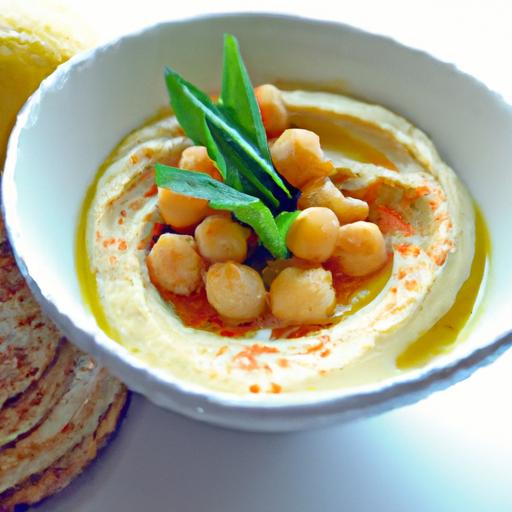
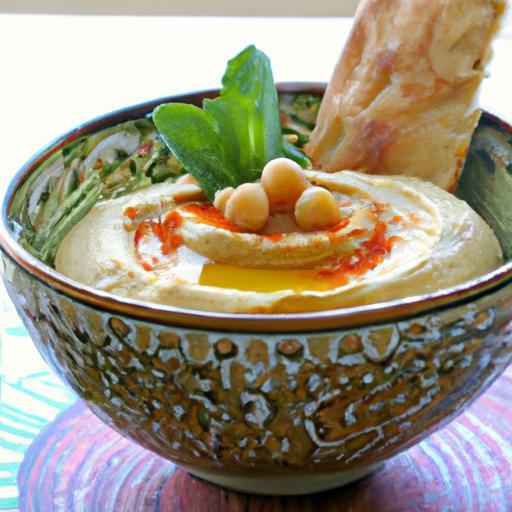
- Serve and garnish: Transfer to a shallow bowl, create a swirl, drizzle with olive oil, and sprinkle your favorite toppings. Paprika adds a smoky color, pine nuts a satisfying crunch, and fresh parsley for vibrant herbaceous notes.
Chef’s Tips for Success
- Choose quality tahini: A creamy, smooth tahini made from hulled sesame seeds makes all the difference in texture and flavor.
- Avoid canned chickpeas for creaminess: If short on time, canned works, but for the creamy texture true to Mediterranean tradition, dried chickpeas soaked and cooked slowly provide a richer mouthfeel.
- Peeling chickpeas: For the ultimate velvety finish, pinch chickpea skins off once cooked; it’s time-consuming but worthwhile.
- Let it rest: Refrigerate hummus for at least 30 minutes before serving to deepen flavors.
- Flavor variations: Add roasted red peppers, smoked paprika, or a touch of harissa for a personalized twist.
- Storage: Store airtight in the fridge up to 5 days. Drizzle olive oil on top before sealing to keep it moist.
Serving Suggestions
Present your hummus with a colorful Mediterranean platter: warm pita bread, crunchy vegetable sticks, marinated olives, and feta cheese for an irresistible spread.Drizzle extra virgin olive oil over the top and sprinkle coarse paprika or za’atar to highlight the layers of flavor and texture. for visual flair, add toasted pine nuts or a handful of fresh herbs. Serve chilled or at room temperature for best flavor expression.
| Nutrient | Per ¼ Cup Serving |
|---|---|
| Calories | 160 kcal |
| Protein | 6 g |
| Carbohydrates | 14 g |
| Fat | 8 g |

For more inspiration on Mediterranean classics, explore our comprehensive guide on dips and spreads. To dive deeper into the health benefits of chickpeas, visit the Healthline Chickpea Report.
Q&A
Q&A: Discover the Secrets Behind Creamy Mediterranean Hummus Delight
Q1: What makes Mediterranean hummus so irresistibly creamy?
A1: The secret lies in the perfect harmony of ingredients and technique. High-quality, extra-tender chickpeas combined with smooth tahini, a splash of cold-pressed olive oil, and a squeeze of fresh lemon create the luscious base. But the real magic happens when the chickpeas are peeled and whipped patiently – this extra step transforms the texture from grainy to velvety,giving you that signature creamy delight.
Q2: Why is peeling chickpeas crucial in achieving that creamy texture?
A2: Removing the skins might sound tedious, but it’s a game-changer. The tiny skins create a subtle graininess in your hummus. By gently pinching them off before blending, you ensure a silkier, more luscious bite that melts in your mouth like a Mediterranean dream.
Q3: Is the tahini just a simple sesame paste, or does its quality affect the hummus?
A3: Tahini is the heart of creamy hummus. Its nutty, slightly bitter undertone balances the sweet earthiness of chickpeas. Opting for freshly ground, light-colored tahini made from lightly roasted sesame seeds elevates both flavor and texture, giving your hummus that authentically smooth Mediterranean taste.
Q4: How does olive oil influence the final hummus experience?
A4: Olive oil is like liquid gold in Mediterranean cooking. When drizzled into the hummus during blending, it enriches the creaminess and adds a fruity, slightly grassy aroma. Using a high-quality extra virgin olive oil ensures your hummus bursts with fresh, vibrant notes on every spoonful.
Q5: Can I add any unique twists without losing the classic creamy texture?
A5: Absolutely! Mediterranean hummus is a blank canvas. Experimenting with roasted garlic, a sprinkle of smoked paprika, or a dash of za’atar can deepen the flavor. Just be mindful not to overload it – creamy balance is key. Consider blending in small amounts of cooked beetroot or sweet potatoes for a colorful, nourishing variation that stays beautifully smooth.
Q6: What’s the best way to serve and enjoy this creamy Mediterranean hummus delight?
A6: Serve it chilled with warm, fluffy pita bread or fresh crisp veggies.A final drizzle of olive oil, a sprinkle of toasted pine nuts, and a dusting of sumac elevate the presentation and flavor.Pair it with a side of crunchy olives or a fresh garden salad for a perfect Mediterranean feast.
Q7: Can this creamy hummus be made plant-based and allergen-friendly?
A7: Definitely! Traditional hummus is naturally vegan, gluten-free, and dairy-free. For those with sesame allergies, you can try swapping tahini for sunflower seed butter or a mild nut butter, though the flavor will vary slightly. The key is balancing creaminess with familiar Mediterranean notes to keep the essence of the dish intact.
unlock these secrets and bring a touch of Mediterranean sunshine to your table, one creamy spoonful at a time!
The Conclusion
As you’ve journeyed through the rich tapestry of flavors and techniques that bring creamy Mediterranean hummus to life, it’s clear that this beloved dish is much more than just a simple dip. It’s a celebration of tradition, a harmony of wholesome ingredients, and an invitation to savor the essence of the Mediterranean in every luscious bite. Whether you’re a seasoned chef or a curious foodie, embracing these secrets will elevate your hummus-making experience, turning a humble snack into a creamy delight that tells a story of heritage and heart. So go ahead-blend, season, and indulge, and let your kitchen become a gateway to Mediterranean magic.