
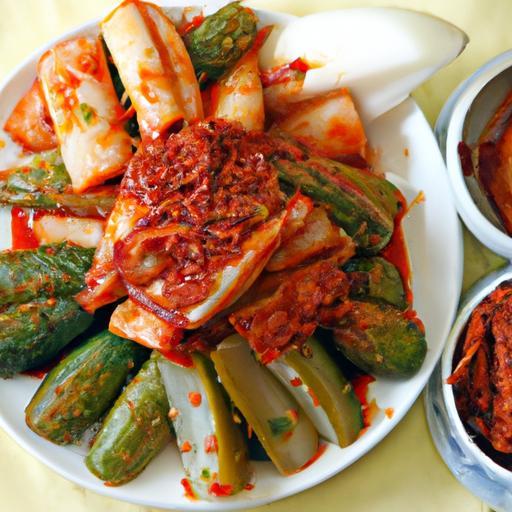
In the vibrant tapestry of Korean cuisine, few elements spark the senses quite like spicy pickles. These fiery flavors are more than just a side dish-they’re a bold party of heritage, heat, and harmony that awaken the palate with each bite. From the tangy crunch of kimchi to lesser-known regional delights, Korean spicy pickles offer a fascinating journey through layers of texture and taste. Join us as we explore the captivating world of these piquant treasures, uncovering the history, ingredients, and cultural meaning behind the mouthwatering heat that has captured food lovers around the globe.
The Art of Heat Balancing in Korean Pickling
Fiery flavors burst vibrantly through Korean pickles, embodying a delicate dance between heat, tang, and umami that captures the heart of every palate. Perfecting heat balancing is essential: too mild, and the signature Korean zing fades; too fierce, and the subtleties of fermented flavour drown beneath the spice. This balance is what sets the stage for the ultimate fiery pickle experience.
Originating from centuries-old traditions deeply rooted in Korea’s agrarian culture,spicy pickles evolved as a way to preserve seasonal vegetables while adding bold flavors that complement many meals.Regional interpretations emphasize different chili powders-from the bright, moderately spicy gochugaru of the south to the intense fire of northern varieties-each creating unique profiles that reflect their terroir.
Prep and Cook Time
- Preparation: 20 minutes
- Pickling Time: Minimum 24 hours (best after 3 days)
- Total Time: 3 days 20 minutes
Yield
Approximately 4 cups (serves 6 as a side dish)
Difficulty Level
Easy to Medium – perfect for beginners looking to explore Korean spicy pickling
Ingredients
- 2 cups Napa cabbage, chopped into 2-inch pieces
- 1 medium Korean radish (mu), peeled and julienned
- 3 tablespoons coarse sea salt
- 4 cloves garlic, minced
- 1-inch piece ginger, grated
- 3 tablespoons Korean chili flakes (gochugaru) – medium heat
- 2 teaspoons fish sauce (or soy sauce for vegan option)
- 1 teaspoon sugar
- 2 green onions, sliced thinly
- 1 small carrot, julienned (optional for color and slight sweetness)
Instructions
- Salt and soften the vegetables: Place the Napa cabbage and Korean radish in a large mixing bowl. Add the coarse sea salt and mix thoroughly to coat. Let sit for 1 hour, tossing every 20 minutes, until the vegetables wilt and release moisture.
- Rinse and drain: Rinse the salted vegetables under cold water twice to remove excess salt. Drain well in a colander to avoid watery pickles.
- Prepare the spicy paste: In a seperate bowl, combine garlic, ginger, gochugaru, fish sauce, and sugar. Mix until it forms a vibrant red paste. Adjust gochugaru if you desire more or less heat.
- mix vegetables and paste: Add the drained cabbage, radish, green onions, and carrot (if using) to the spicy paste. Wearing gloves, toss thoroughly so every piece is coated.
- Pack and ferment: Transfer the mixture into a clean glass jar or airtight container. Press firmly to minimize air pockets. Leave about 1 inch of space at the top for expansion during fermentation.
- Let it ferment: Leave the jar at room temperature (65-72°F/18-22°C) for 1-2 days, then refrigerate to slow fermentation. The flavors deepen beautifully over the next week.
- Enjoy and store: Serve chilled or at room temperature. Keep refrigerated and consume within 3 weeks for optimal taste.
Tips for Success
- Balance the spice: Look for fresh, bright red gochugaru-the quality of chili powder drastically affects the heat and flavor.
- Customize heat levels: Add Korean chili paste (gochujang) for a richer, sweeter heat or reduce chili flakes for a milder pickle.
- Make it vegan: Replace fish sauce with soy sauce or salted fermented soybean paste.
- Wear gloves: When mixing chili paste, gloves protect sensitive skin and prevent accidental eye irritation.
- Storage note: A week in the fridge lets the spicy flavors fully meld, but feel free to taste as early as 24 hours.
Serving Suggestions
These fiery pickles brighten any meal with their vibrant reds and crisp textures. Pair them alongside bibimbap for a satisfying combination of heat and freshness. They also cut through the richness of Korean BBQ or complement simple steamed rice and grilled fish.
Garnish with toasted sesame seeds or finely sliced scallions to add subtle crunch and enhance the presentation. Serve in small side dishes (banchan) to create an authentic Korean dining experience that ignites the palate.
| Nutrient | Per Serving |
|---|---|
| Calories | 45 |
| Protein | 2g |
| Carbohydrates | 8g |
| Fat | 0.5g |

Regional Variations That Ignite the Palate
From jeolla’s robust, deeply fermented chili blends to Gyeongsang’s fiery, fresh-and-crisp style, Korean spicy pickles showcase diversity in heat balancing. Exploring these regional interpretations not only sharpens your palate but inspires creative adaptations in your own kitchen. Discover more about distinct regional banchan styles in our extensive guide to Korean side dishes.For deeper historical context, visit Wikipedia’s Korean cuisine overview.
Must-Try Spicy Korean Pickles and Where to Find Them
To sample authentic fiery flavors, seek out renowned spicy pickles like Oi Sobagi (stuffed cucumber kimchi) from Seoul’s bustling Gwangjang Market or Chonggak Kimchi (ponytail radish kimchi) prevalent in Busan. These bold pickles embody distinct heat balancing styles worth tasting firsthand, either by visiting Korean specialty food markets or ordering from acclaimed Korean restaurants worldwide.
Pairing Fiery Pickles with Everyday Korean Meals
Spicy pickles invigorate the simplest meals, lending piquant contrast to dishes like savory stews, rice bowls, and noodle dishes.They elevate comfort foods such as tteokbokki or enrich the soul-warming broth of a hot kimchi jjigae. Their dynamic heat is key to unlocking the layers of flavor inherent in Korean cuisine, making them indispensable to any spice lover’s repertoire.
Q&A
Q&A: Fiery Flavors – Exploring the World of Spicy Korean Pickles
Q1: What exactly are Korean spicy pickles, and why are they so beloved?
A1: Korean spicy pickles, often called kimchi or jangajji depending on their style, are vibrant, fermented or pickled vegetables infused with chili, garlic, and other bold flavors. They are beloved becuase they combine that addictive spicy punch with tangy, umami-rich depths, making every bite a thrilling dance of heat and flavor that tickles your taste buds and nourishes your body.Q2: How does the fermentation process influence the flavor of these spicy pickles?
A2: Fermentation is the magic behind Korean spicy pickles. As natural bacteria work their way into the mix, they transform raw vegetables into complex flavor powerhouses. This process deepens the heat, amplifies tanginess, and adds subtle notes of funkiness, creating layers of taste that evolve the longer the pickles rest. the result? A fiery, yet balanced explosion of flavors that can warm you from the inside out.
Q3: What are some popular types of spicy Korean pickles beyond kimchi?
A3: while baechu kimchi (napa cabbage kimchi) steals the spotlight, Korean cuisine offers a dazzling array of spicy pickled delights. Kkakdugi (spicy cubed radish), ojingeochae muchim (spicy dried squid salad), and chonggak kimchi (young radish kimchi) are just a few examples. Each brings a unique texture and spice profile,showing the versatility and creativity in Korea’s pickling tradition.
Q4: How spicy are these pickles typically, and can they be adjusted to suit different palates?
A4: The heat level varies widely! Some kimchis deliver a mild warmth, while others pack a serious punch, thanks to varieties of Korean chili flakes known as gochugaru. The good news? The spice can be dialed up or down depending on personal preference or recipe tweaks, making these fiery flavors accessible to both newcomers and spice veterans alike.
Q5: why should someone new to Korean food give spicy pickles a try?
A5: Spicy Korean pickles are more than just a side dish-they’re a gateway to understanding Korea’s rich culinary culture.Their bold, energetic flavors complement everything from simple rice bowls to sizzling barbecue, offering contrast and excitement. Plus, their probiotic power makes them a tasty way to support gut health. For the curious food explorer,these fiery pickles are a tantalizing invitation to spice up your palate and your meals.
Q6: Can spicy Korean pickles be incorporated into non-Korean dishes?
A6: Absolutely! These flavorful pickles add an amazing kick and crunch wherever they go.Try tossing spicy kimchi into tacos, burgers, or grilled cheese for an unexpected fiery twist.they can brighten up salads, soups, or even pasta dishes, transforming ordinary plates into vibrant culinary adventures infused with Korean heat and zest.
Dive into the bold world of fiery Korean pickles and let your taste buds savor the spicy adventure!
The Way Forward
As we close the jar on our journey through the fiery world of spicy Korean pickles, one thing is clear: these vibrant bites are more than just condiments-they are a bold celebration of culture, history, and flavor. Each crunch delivers a story of tradition fused with innovation, igniting the palate with layers of heat, tang, and umami. Whether your a spice seeker or a curious newcomer, exploring these piquant treasures opens the door to a dynamic culinary landscape where every pickle tells a tale worth savoring. So next time you crave something with a kick, remember that the world of Korean spicy pickles awaits-ready to fire up your senses and elevate your dining experience with every zesty bite.