
From the bustling markets of Beirut to the sun-drenched kitchens of Marrakech, flatbreads have long held a cherished place at the heart of Middle Eastern culture.More than mere sustenance, these golden, tender rounds are edible canvases-each fold and bubble telling stories of ancient traditions, local ingredients, and time-honored techniques passed down through generations. In “Flavors of tradition: Exploring Middle Eastern Flatbread Art,” we embark on a savory journey to uncover the rich heritage and artistry baked into every loaf. Join us as we explore the diverse shapes, textures, and flavors that celebrate a culinary craft both simple and sublime, weaving together the past and present on a warm, fragrant slice of history.
Flavors of Tradition: The rich, warm aroma of Middle eastern flatbreads evokes centuries of cultural heritage, embodying not just a staple food but a story of community, craftsmanship, and celebration. From bustling markets where loaves puff atop stone ovens to quiet family kitchens kneaded by loving hands, these breads are much more than a base for meals-they are an art form, a symbol of hospitality, and a culinary bridge connecting generations and regions.
Origins and Cultural Meaning of Middle Eastern Flatbreads
Flatbreads have been a cornerstone of Middle Eastern cuisine for thousands of years, with references found in ancient texts and archaeological digs revealing early bread ovens dating back millennia. These breads were often baked on hot stones or in clay ovens,a technique passed down through generations. Their simplicity-flour, water, salt, and sometimes yeast or natural starters-belies the depth of flavor and cultural importance they carry. They serve as an edible vessel for communal meals, from sharing dips like hummus and baba ghanoush to wrapping flavorful meat and veggie fillings.
Each region’s approach reflects a unique identity: the soft, pocketed pita of the Levant, the thin, crisp markook of palestine, or the thick, fluffy khubz found across Arabian fields. These breads are not just food; they are ritual and remembrance, embodying stories of migration, trade, and celebration.
Prep and Cook Time
- Preparation Time: 20 minutes
- Resting/Proofing Time: 1 hour
- Cooking Time: 10-15 minutes
- Total Time: Approximately 1 hour 35 minutes
Yield
Approximately 8 medium-sized flatbreads, ideal for 4-6 servings
Difficulty Level
Medium – Great for cooks familiar with basic dough techniques and eager to explore conventional methods.
Ingredients
- 3 cups all-purpose flour, sifted
- 1 ¼ cups warm water (105-110°F)
- 1 tsp active dry yeast
- 1 tsp fine sea salt
- 1 tbsp olive oil, plus extra for brushing
- 1 tsp sugar or honey (optional, to boost yeast activity)
Instructions
- Activate the yeast: In a small bowl, combine the warm water, yeast, and sugar (or honey). Stir gently and let sit for 5-7 minutes until frothy and bubbling, confirming the yeast is alive.
- Mix the dough: In a large bowl, whisk together the sifted flour and salt.Create a well in the center and pour in the yeast mixture and olive oil. Mix with a wooden spoon until a shaggy dough forms.
- Knead: Transfer the dough to a floured surface and knead for about 8-10 minutes, until smooth, elastic, and slightly tacky. Add small amounts of flour if too sticky-but be cautious to keep the dough soft.
- First rise: Place the dough in a lightly oiled bowl, cover with a damp cloth or plastic wrap, and let it rise in a warm spot for 1 hour or until doubled in size.
- Divide and shape: Punch down the risen dough gently and divide it into 8 equal portions. Roll each into a smooth ball. Using a rolling pin, flatten each ball into a circle about 6-7 inches in diameter and roughly ¼ inch thick.For a pocket bread effect, ensure the dough isn’t rolled too thin.
- Rest shaped dough: Cover the rolled-out discs with a clean towel and let them rest for 10-15 minutes to relax the gluten, which helps prevent shrinking during cooking.
- Heat the cooking surface: Preheat a cast-iron skillet or heavy-bottomed pan over medium-high heat until very hot. Alternately,use a baking stone or tandoor oven for authentic char and texture.
- Cook the flatbreads: Place one dough circle onto the dry skillet. Cook 2-3 minutes until bubbles form, then flip. Continue cooking the other side for 1-2 minutes until golden brown spots appear and a slight puffing occurs. Adjust heat as necessary to avoid burning.
- Brush and keep warm: Brush each cooked flatbread lightly with olive oil and wrap in a clean kitchen towel to retain softness.
Tips for Baking Authentic Middle Eastern Flatbreads at Home
- Use warm water: This activates the yeast gently and encourages better rising.
- Don’t over-flour the dough: Aim for a slightly sticky texture for softer breads.
- Rest the rested and shaped dough: This step is crucial for extensibility and preventing shrinkage during cooking.
- Hot cooking surface: The skillet or stone must be hot enough to produce bubbles but not so hot they burn the bread.
- Try alternate flours: For a nuttier flavor, substitute up to 25% whole wheat or spelt flour.
- Make ahead: Dough can be refrigerated overnight-bring to room temperature before shaping.
Serving Suggestions
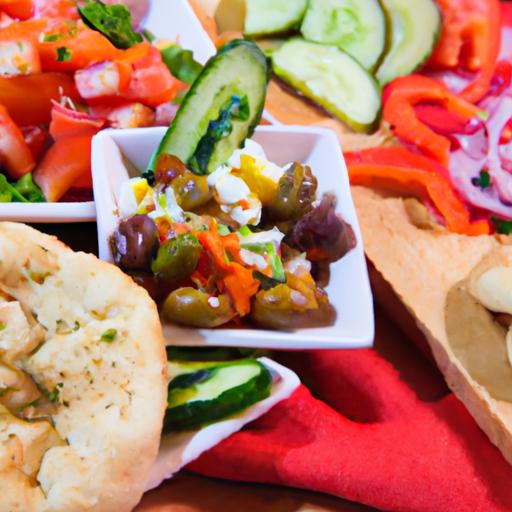
Serve the flatbreads warm, pairing beautifully with traditional Middle Eastern dishes such as fragrant spiced lamb kebabs, creamy hummus topped with olive oil and paprika, or baba ghanoush garnished with pomegranate seeds.For a vibrant touch, drizzle with za’atar-spiced olive oil or lay flatbreads out as a base for a fresh fattoush salad. Rolled, sliced, or torn, these breads are perfect for scooping and savoring every bite.
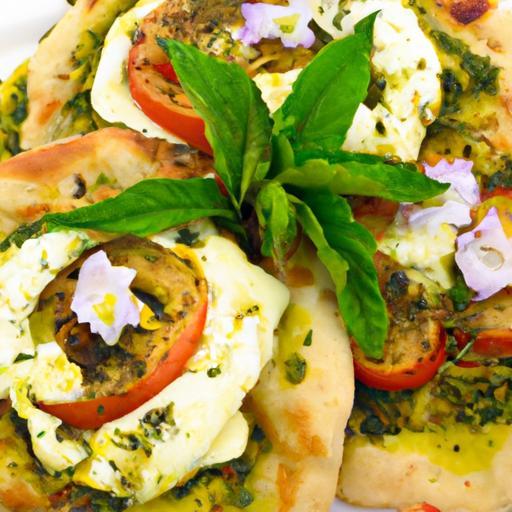
Garnish with fresh herbs like parsley or mint, a sprinkle of sesame seeds, or a dash of sumac to enhance flavor and presentation.
| nutritional Info (per flatbread) | Calories | Protein | Carbs | Fat |
|---|---|---|---|---|
| Average values | 150 kcal | 5 g | 30 g | 2 g |

For a deeper dive into authentic Middle Eastern dishes that showcase these breads, explore our thorough guide here.To understand the historical context of grain and baking innovations, Britannica offers valuable insights.
Q&A
Q&A: Flavors of Tradition: Exploring Middle Eastern flatbread Art
Q1: What makes Middle Eastern flatbreads unique compared to other types of bread?
Middle Eastern flatbreads carry a centuries-old legacy, woven deeply into the region’s culinary and cultural fabric. Unlike many leavened breads found worldwide,these flatbreads frequently enough embrace simple ingredients-flour,water,salt,and occasionally yeast or sourdough starters-but it’s their method of baking,texture,and purpose that truly sets them apart. Whether puffed and airy or thin and crisp, each flatbread tells a story of regional climates, ancient ovens, and communal meals shared across generations.
Q2: Can you describe some traditional varieties of Middle Eastern flatbreads?
Certainly! There’s pita, the iconic pocket bread renowned for its perfect puff that creates a natural pocket, ideal for stuffing.Then there’s the soft and flexible markook,often baked on a convex metal griddle called a saj,paper-thin and almost translucent. The earthy, hearty taboon bread is baked on hot stones in dome-shaped clay ovens, boasting a slightly charred crust with a smoky aroma. Each bread reflects local ingredients, techniques, and essential roles in daily Middle Eastern meals.
Q3: How are these flatbreads traditionally prepared and baked?
The art lies both in simplicity and skill. Doughs are typically hand-kneaded to just the right elasticity, sometimes allowed to ferment lightly for enhanced flavor. Baking methods vary: open flame, domed clay ovens, or saj griddles impart distinct textures and tastes. Such as, pita’s sudden rise occurs when slapped onto a hot stone or directly in a wood-fired oven, trapping steam that puffs the dough perfectly. the process is as much about instinct and experiance as it is about recipes.
Q4: What cultural significance do these flatbreads hold?
Flatbreads are the edible thread linking people across middle Eastern countries. They are communal-served with dips like hummus and baba ghanoush, used to scoop up stews, or wrapped around fillings like falafel and grilled vegetables.Sharing flatbread is a symbol of hospitality and generosity. It also forms part of religious and festive traditions where breaking bread together transcends mere sustenance, becoming an act of connection.
Q5: How have modern chefs and home cooks embraced Middle Eastern flatbread traditions?
Contemporary kitchens around the world are rediscovering and reinventing these breads, blending authenticity with innovation. some experiment by infusing dough with herbs, nuts, or spices, while others embrace ancient grain varieties.The tactile,hands-on preparation offers a creative outlet rooted in tradition. Moreover,as Middle Eastern cuisine gains global popularity,flatbreads have become a canvas for culinary exploration-whether as gourmet sandwiches,artistic platters,or fusion dishes that respect the past while crafting new flavors.
Q6: Can exploring these flatbreads offer insights beyond food?
Absolutely! Delving into Middle Eastern flatbread invites a deeper gratitude of history, geography, and social bonds. Each recipe and baking technique reflects adaptations to habitat and available resources. The communal nature of flatbread preparation and consumption highlights values of hospitality and family life. Ultimately, these breads serve as edible ambassadors, inviting us to taste a culture’s heartbeat and cherish its enduring traditions.
Embracing the flavors of tradition means more than savoring the bread itself-it’s about experiencing a rich tapestry of heritage baked fresh with every loaf.
The Conclusion
As the warm aroma of freshly baked flatbread lingers in the air,it carries with it stories shaped by centuries of tradition and craftsmanship. Each fold and golden crust tells a tale of culture, community, and the timeless art that transforms simple dough into a culinary masterpiece. Exploring the flavors of Middle Eastern flatbread is more than a tasting journey-it is an invitation to connect with heritage, savor history, and celebrate the enduring artistry baked into every bite. In honoring these traditions, we not only relish the past but also ensure that the delicious legacy of flatbread continues to rise, inspiring future generations around the world.