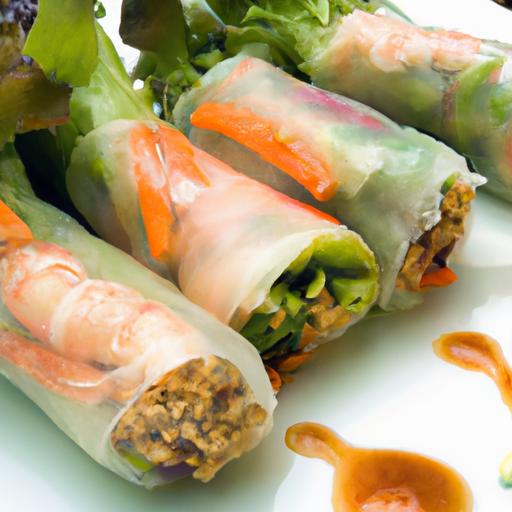

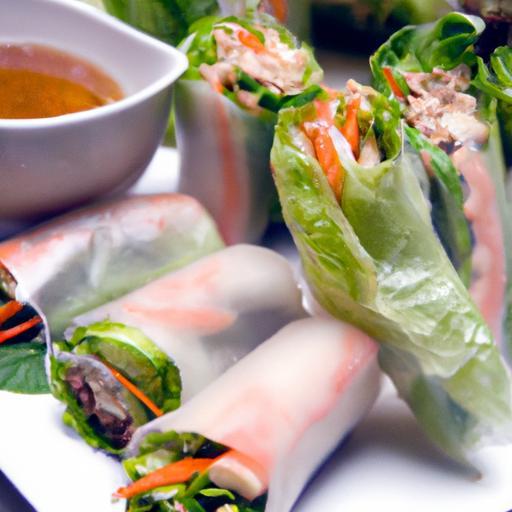
Crisp, vibrant, and brimming with fresh ingredients, Vietnamese spring rolls are more than just a beloved appetizer-they are a culinary symbol of balance and harmony. In every delicate rice paper wrap lies a story of tradition, culture, and meticulous craftsmanship, where textures and flavors dance in perfect unity. “Fresh Flavors Unwrapped: The Art of Vietnamese Spring Rolls” invites you to explore the origins,techniques,and inspirations behind these exquisite rolls that have captivated taste buds worldwide. Journey with us as we peel back the layers of this iconic dish, revealing how simple, fresh ingredients come together to create a masterpiece of taste and texture.
The Essence of Fresh Ingredients in Vietnamese Spring Rolls
Fresh Flavors Unwrapped: The Art of Vietnamese Spring Rolls begin with the vibrant,crisp bounty of nature’s finest ingredients. Each bite is a party of texture and brightness - from the tender crunch of julienned vegetables to the fragrant burst of fresh herbs. These delicate rolls,originating from Southern Vietnam’s bustling Mekong Delta,embody balance and simplicity,transforming humble rice paper wrappers into edible works of art. As you prepare your spring rolls, emphasize freshness: vivid green romaine or butter lettuce leaves, aromatic mint, cilantro, and Thai basil, combined with thin strands of carrot and cucumber, deliver a pure flavor that no pre-cooked or frozen substitute can rival.
Prep and Cook Time
- Planning: 30 minutes
- Assembly: 20 minutes
- Total Time: 50 minutes
Yield
Makes approximately 12 fresh spring rolls (serving 4-6 peopel)
Difficulty Level
Medium – Requires a gentle hand for rolling and careful ingredient prep
Ingredients
- 12 rice paper wrappers (bánh tráng)
- 1 cup cooked shrimp, peeled and sliced in half lengthwise
- 1 cup cooked firm tofu, pressed and cut into thin strips
- 1 cup thin vermicelli noodles, cooked and drained
- 1 cup shredded lettuce (romaine or butter lettuce works best)
- 1 medium carrot, julienned
- 1 cucumber, julienned and deseeded
- 1/2 cup fresh mint leaves
- 1/2 cup fresh cilantro leaves
- 1/2 cup fresh Thai basil leaves
- Optional: 1 avocado, sliced thinly
Instructions
- Prep the workspace: Fill a large shallow dish or pie plate with warm water for dipping rice papers. Set all your ingredients within arm’s reach for smooth assembly.
- Soften rice paper: Dip one rice paper at a time in warm water,submerging for 5-7 seconds until pliable but not soggy. Lay it flat on a clean, damp kitchen towel or non-stick board immediatly.
- layer ingredients carefully: Starting about one-third from the bottom edge of the wrapper, place a small handful of lettuce, followed by a modest amount of vermicelli noodles and alternating rows of carrot, cucumber, shrimp, and tofu strips.
- Add fresh herbs: Lay a few mint, cilantro, and Thai basil leaves on top for vibrant aromatic contrast.
- Begin rolling: Fold the bottom edge tightly over the filling, than gently tuck in the sides toward the center to encase the ingredients.
- Finish rolling: Continue rolling upwards toward the top edge to form a compact cylinder, ensuring the wrapper adheres and seals the roll securely. Avoid overfilling to prevent tears.
- Repeat: Continue with remaining wrappers and fillings,keeping finished rolls covered with a damp towel to prevent drying out.
- Serve immediately: For the best texture, enjoy your spring rolls fresh with your choice of dipping sauce (see pairing tips below).
Tips for Success
- Keep rice papers moist but never soggy: Over-soaking makes them tear easily; under-soaking makes rolling tough.
- Use cooked shrimp or tofu for protein: Both provide satisfying texture and flavor without overpowering the delicate herbs and veggies.
- Experiment with fillings: Try adding grilled mushrooms, marinated tempeh, or fresh mango slices for modern twists.
- Make ahead: Assemble rolls and store airtight in the fridge on a damp towel for up to 4 hours. Avoid stacking to preserve shape and texture.
- Refresh herbs and veggies: give your fresh herbs a speedy rinse in cold water and pat dry thoroughly before use for maximum vibrancy.
Pairing Dipping Sauces to Elevate the Spring Roll Experience
Enhance your spring rolls with sauces that complement their fresh essence. A classic nuoc cham sauce blends lime juice, fish sauce, slightly toasted sugar, garlic, and chili for a sweet-savory tang. For a vegetarian option, whip up a creamy peanut dipping sauce combining natural peanut butter, soy sauce, lime juice, and a hint of sriracha for warmth.These bright, bold sauces create a symphony of flavor that transforms simple rolls into irresistible morsels.
Serving Suggestions
Arrange rolls on a platter lined with crisp lettuce leaves and sprigs of fresh herbs as garnish.Add thin lime wedges and small bowls of dipping sauces on the side. For visual contrast, serve alongside pickled daikon and carrot or thinly sliced fresh chili. Presenting the spring rolls with vibrant accompaniments invites guests to enjoy an interactive and colorful meal.

| Nutrient | Per Serving (2 Rolls) |
|---|---|
| Calories | 180 kcal |
| Protein | 12 g |
| Carbohydrates | 22 g |
| Fat | 4 g |
For further inspiration, discover how to prepare Vietnamese Fresh Herb Salad as a refreshing complement. to learn more about the cultural roots of spring rolls, explore this Smithsonian article on Vietnamese cuisine.
Q&A
Q&A: fresh Flavors Unwrapped – the Art of Vietnamese Spring Rolls
Q1: What makes Vietnamese spring rolls uniquely vibrant compared to other types of rolls?
A1: Vietnamese spring rolls, or gỏi cuốn, shine with their fresh, crisp ingredients wrapped in delicate rice paper.Unlike fried rolls, these are light and bright, filled with a harmonious balance of textures and flavors-herbs like mint and basil, crunchy vegetables, succulent shrimp or tofu, and rice vermicelli-all marrying in a cool, refreshing bite.
Q2: How do you achieve the perfect rice paper wrap without tearing or sticking?
A2: The secret lies in gentle hydration and swift hands.Dip the rice paper briefly in warm water-just until pliable, not soggy-then lay it flat. Layer your ingredients evenly,leaving space to fold snugly. Practice patience; over-soaking weakens the wrapper, while a quick, confident roll keeps everything secure and visually appealing.
Q3: What kinds of fresh herbs elevate the flavor profile of Vietnamese spring rolls?
A3: Freshness is the cornerstone here! Fragrant herbs like mint, Thai basil, cilantro, and sometimes perilla add aromatic depths and a burst of greenery. They contrast beautifully with crisp veggies and tender proteins, creating a lively, garden-fresh experience with each bite.
Q4: Can Vietnamese spring rolls be adapted for different dietary preferences?
A4: Absolutely! Spring rolls are wonderfully versatile. Beyond classic shrimp or chicken, try marinated tofu, tempeh, or even grilled mushrooms for earthy notes. Vegetarians and vegans enjoy the vibrant textures and flavors equally. The key is a balance of protein, crunch, and herbal freshness wrapped in paper.
Q5: What dipping sauces traditionally accompany spring rolls,and how do they complement the dish?
A5: The quintessential dipping sauces range from hoisin-peanut to tangy nuoc cham (a lime-fish sauce blend),each enhancing the rolls in unique ways. Hoisin-peanut sauce offers creamy sweetness and nuttiness, perfect for a richer contrast, while nuoc cham provides a bright, savory kick that brings the fresh ingredients’ flavors into sharper focus.
Q6: What role does texture play in the enjoyment of Vietnamese spring rolls?
A6: Texture is everything.The tender rice noodles and herbs are complemented by crunchy lettuce, carrots, and sometimes toasted peanuts or crushed rice crackers. This dance of softness and crunch keeps your palate intrigued, making each bite a layered sensory delight rather than a flat experience.
Q7: How do you store and serve spring rolls if you’re preparing them ahead for a gathering?
A7: Preparation ahead is doable but requires care. After rolling, place each spring roll on a damp parchment paper-lined tray and cover with a lightly moistened cloth to prevent drying out. Serve chilled or room temperature within a few hours for the freshest taste and ideal texture. Too long in advance means soggy wrappers or wilted greens.
Q8: What cultural significance do spring rolls hold in Vietnamese cuisine?
A8: Beyond their deliciousness, spring rolls embody simplicity and balance-essential elements in Vietnamese cooking. They reflect harmony between fresh, raw ingredients and intricate preparation. Often served in communal settings, they emphasize sharing and togetherness, inviting diners to engage with the food, wrapping and dipping in a mindful celebration of flavor and tradition.
To Conclude
as you wrap up your journey through the vibrant world of Vietnamese spring rolls, it’s clear that these delicate bites are more than just a dish-they’re a celebration of freshness, balance, and tradition. Each roll, meticulously crafted, unites crisp vegetables, fragrant herbs, and savory proteins in a harmonious dance of flavor and texture. Whether enjoyed as a simple snack or a refined appetizer, Vietnamese spring rolls invite us to savor the art of freshness unwrapped. So next time you bite into one,remember: you’re tasting history,culture,and a timeless culinary craft,all rolled into a single,delicious package.