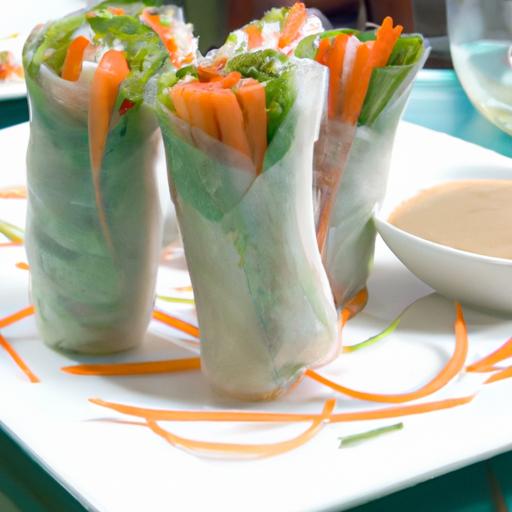

Crisp, vibrant, adn bursting with fresh flavors-Vietnamese spring rolls are more than just a delightful appetizer; thay are a culinary tradition that unravels teh rich tapestry of Vietnam’s food culture. Wrapped in delicate rice paper, these rolls hold a colorful medley of herbs, vegetables, and savory proteins, each bite offering a refreshing contrast to heavier, cooked dishes. In this article, we’ll explore the origins, ingredients, and techniques behind fresh Vietnamese spring rolls, revealing why this simple yet elegant snack has captured the hearts and palates of food lovers around the world. Join us as we unroll the story of a tasty tradition, one refreshing bite at a time.
Exploring the Vibrant Ingredients That bring Spring Rolls to Life
Fresh Vietnamese spring rolls are a celebration of radiant, clean flavors and textures wrapped delicately in translucent rice paper. Originating from Vietnam’s southern regions, these rolls embody a harmony of herbs, fresh vegetables, and savory proteins, delivering a refreshing contrast to richer dishes. I vividly recall my first encounter with these rolls in Ho Chi Minh City-each bite bursting with crispness and aromatic herbs felt like unwrapping a flavorful secret. This tradition invites home cooks to customize fresh,wholesome ingredients,making each roll a canvas of vitality and colour.
Prep and Cook Time
- Preparation: 30 minutes
- Assembly: 20 minutes
- Total Time: 50 minutes
Yield
Serves 6 (about 18 spring rolls)
Difficulty Level
Medium – requires some finesse in rolling but approachable with practice
Ingredients
- 24 rice paper wrappers, round and thin
- 200g cooked shrimp, sliced in half lengthwise
- 150g cooked vermicelli rice noodles, drained and cooled
- 1 cup shredded carrots
- 1 cup thinly sliced cucumber
- 1 cup fresh Thai basil leaves
- 1 cup fresh mint leaves
- 1 cup fresh cilantro leaves
- ½ cup chopped roasted peanuts (optional, for garnish)
Dipping Sauce Ingredients
- ¼ cup hoisin sauce
- 2 tbsp peanut butter, smooth
- 1 tbsp fresh lime juice
- 1 garlic clove, minced
- 2 tbsp water (to thin sauce)
- 1 tsp chili garlic sauce (adjust to heat preference)
Mastering Dipping Sauces to Elevate Your Spring Roll Experience
The magic of fresh Vietnamese spring rolls emerges not just from the fillings but from the luscious dipping sauces that amplify each bite. The classic hoisin-peanut sauce offers a sweet, tangy, and slightly savory layer that complements the herbaceous rolls perfectly. To make this, whisk together hoisin, peanut butter, lime juice, and a dash of chili garlic sauce until smooth.Adjust the water to achieve a velvety consistency that clings lovingly to every roll. For a brighter contrast, prepare a nuoc cham-a traditional Vietnamese dipping sauce made of fish sauce, lime juice, garlic, chili, and a touch of sugar, ideal for those seeking a zingy kick.
Tips and Tricks for Perfectly Rolling Every Time
Rolling fresh Vietnamese spring rolls is a mindful craft requiring the right balance of moisture and layering. Begin by quickly dipping your rice paper in warm water for exactly 3 seconds-too long and it becomes fragile, too short and it is stiff. Lay the wrapper on a flat surface, and place ingredients slightly off-center.
Remember to layer your herbs and noodles first for even texture,then fold in shrimp or protein close to the outer edge to showcase color through the translucent rice paper. Fold the sides towards the center tightly like wrapping a gift, before rolling firmly away from you. If sticky or tearing occurs,use a clean damp cloth to handle the wrappers gently.
Instructions
- Prepare all ingredients by washing herbs, slicing shrimp and vegetables, and cooking and cooling vermicelli noodles.
- Soften rice paper one at a time by dipping it in warm water for 3 seconds. Lay it flat on a clean surface.
- Layer fresh herbs (basil, mint, cilantro) slightly off center, followed by a small nest of vermicelli noodles.
- Add shredded carrots and cucumber for crunch and color next.
- Place 2 shrimp halves on top of the pile, arranged in an appealing, face-up pattern.
- Fold the sides of the rice paper inward over the filling tightly, ensuring the ends are tucked in.
- Roll firmly away from you, compressing the contents gently to form a neat cylinder.
- Repeat with remaining wrappers and fillings, placing finished rolls on a platter covered with a damp towel to prevent drying.
- Prepare dipping sauce by whisking hoisin, peanut butter, lime juice, garlic, chili sauce, and water until smooth.
- serve instantly with dipping sauce, garnished with chopped peanuts and lime wedges.
tips for Success
- Customize your fillings: swap shrimp with grilled chicken,tofu,or tempeh for vegetarian or vegan options.
- Don’t overfill: keeping rolls light helps avoid tearing and preserves their delicate texture.
- Prep ahead: assemble all ingredients and keep in airtight containers; roll just before serving to maintain freshness.
- Store properly: cover rolls with a damp paper towel and plastic wrap if preparing in advance to avoid drying out.
- Practice rolling: it’s an art that becomes effortless with time - each roll will look more polished than the last.
Serving Suggestions
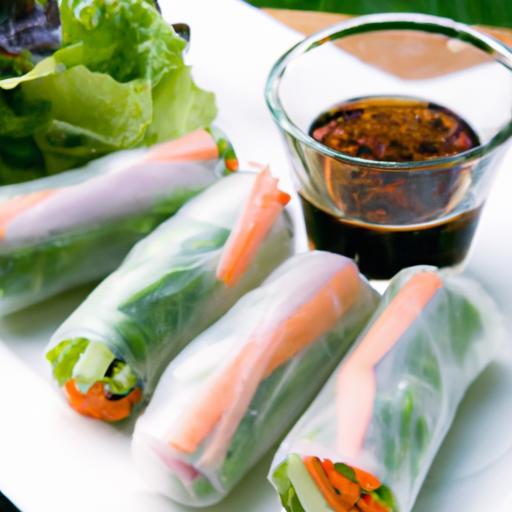
Present your fresh Vietnamese spring rolls on a rustic wooden platter dotted with small bowls of dipping sauces.Garnish with vibrant lime wedges, extra herb sprigs, and crushed peanuts for added texture and visual appeal. Accompany the dish with a side of light jasmine rice or a crisp Asian slaw to balance the meal. For an elegant touch, serve with refreshing iced jasmine tea or a citrus-infused sparkling water.
| Nutrient | Per Serving (3 Rolls) |
|---|---|
| Calories | 210 |
| Protein | 14g |
| Carbohydrates | 26g |
| Fat | 5g |

For a deeper dive into Vietnamese cuisine and to complement your spring roll experience, explore our article on Essential Vietnamese herbs and How to Use Them. To learn more about the cultural meaning of rice paper wraps, visit Vietnam Online’s Food Culture.
Q&A
Q&A: fresh Vietnamese Spring Rolls: A Tasty Tradition Unwrapped
Q1: What makes Vietnamese spring rolls so unique compared to other types of spring rolls?
A1: Vietnamese spring rolls, also known as gỏi cuốn, stand out for their fresh, vibrant ingredients wrapped in delicate, translucent rice paper. Unlike fried versions, these rolls celebrate crisp vegetables, fragrant herbs, and lightly cooked proteins, offering a refreshing, light bite that’s both textured and bursting with natural flavors.
Q2: What are the key ingredients that define a classic fresh Vietnamese spring roll?
A2: A traditional fresh Vietnamese spring roll typically features shrimp or chicken,vermicelli rice noodles,crisp lettuce,aromatic herbs like mint and cilantro,and crunchy vegetables such as cucumber and carrots-all wrapped in soft rice paper. The harmony of these ingredients creates a balance of fresh, savory, and slightly sweet tastes.
Q3: Can vegetarian or vegan versions of fresh spring rolls be just as delicious?
A3: Absolutely! Vegetarian and vegan spring rolls often swap proteins for tofu, tempeh, or simply embrace a medley of fresh vegetables and herbs. The key is layering textures and flavors-think creamy avocado, crunchy water chestnuts, and vibrant herbs paired with hearty vermicelli noodles-making each bite deeply satisfying without meat.
Q4: How do you properly roll a Vietnamese spring roll so it stays intact yet looks appetizing?
A4: Rolling Vietnamese spring rolls is an art of gentle folding. First, soften the rice paper in warm water until pliable but not overly soggy. Lay it flat, add ingredients in a balanced layer near the edge closest to you, then fold the sides inward and roll firmly but gently, like wrapping a neat burrito. Practice helps-it’s all about creating a snug, even roll that showcases the colorful ingredients inside.
Q5: What dipping sauces traditionally accompany fresh vietnamese spring rolls?
A5: The classic pairing is a hoisin-based peanut sauce, rich and slightly sweet, often topped with crushed peanuts and chili for an extra kick. Another beloved choice is nước chấm-a fish sauce-based dipping sauce mingled with lime, garlic, sugar, and chili, delivering a bright, tangy complement to the fresh rolls.
Q6: Are fresh Vietnamese spring rolls suitable for all seasons, or are they best enjoyed at specific times?
A6: Fresh spring rolls are wonderfully versatile and can be enjoyed year-round. Their light, refreshing profile makes them perfect for warm weather, while their satisfying combination of fresh herbs and proteins provide comfort during cooler months. Think of them as a vibrant celebration of fresh ingredients-ideal anytime you want a healthy, tasty treat.Q7: How have fresh Vietnamese spring rolls influenced global cuisine?
A7: Fresh Vietnamese spring rolls have helped popularize the appeal of light, healthful, and herbaceous dishes worldwide. Their rise in global cuisine reflects a broader thankfulness for natural ingredients and balanced flavors, inspiring chefs and home cooks alike to explore creative fillings and vibrant presentations while respecting tradition.
Q8: What’s the best way to store leftover fresh spring rolls, if any?
A8: Fresh spring rolls are best enjoyed immediately, but if you must store leftovers, wrap them tightly in damp paper towels and place them in an airtight container in the refrigerator. Consume within a day to preserve the rice paper’s texture and prevent it from drying out.Avoid freezing, as this damages the delicate rice paper and fresh vegetables.
Q9: Can you customize fresh Vietnamese spring rolls to suit different taste preferences?
A9: Definitely! These rolls are a blank canvas open to customization. Swap shrimp for chicken or tofu, add mango for sweetness, bell peppers for crunch, or a sprinkle of crushed peanuts for texture. Experiment with herbs-basil, Thai basil, or even shiso leaves-to subtly shift the flavor profile. The beauty lies in balancing freshness with your personal palate.Q10: What cultural significance do fresh Vietnamese spring rolls hold in Vietnam?
A10: In Vietnam,fresh spring rolls are more than a dish-they embody hospitality,health,and harmony. Frequently enough served during family gatherings and special occasions,they represent the country’s love of fresh,clean flavors and meticulous craftsmanship. Sharing spring rolls is a gesture of togetherness, inviting everyone to partake in a delicious tradition that honors nature’s bounty.
Concluding Remarks
As the final leaf of rice paper wraps each vibrant roll, the timeless art of Vietnamese spring rolls reminds us that food is more than sustenance-it is a celebration of culture, freshness, and balance. Each bite offers a harmonious dance of textures and flavors, uniting crisp vegetables, fragrant herbs, and succulent proteins in a way that has delighted generations. whether enjoyed as a rapid snack or a centerpiece of a shared meal,these fresh spring rolls invite us to unwrap not just a dish,but a delicious tradition steeped in history and heart. So next time you savor one, remember-you’re partaking in a culinary story that continues to roll forward, fresh and full of flavor.