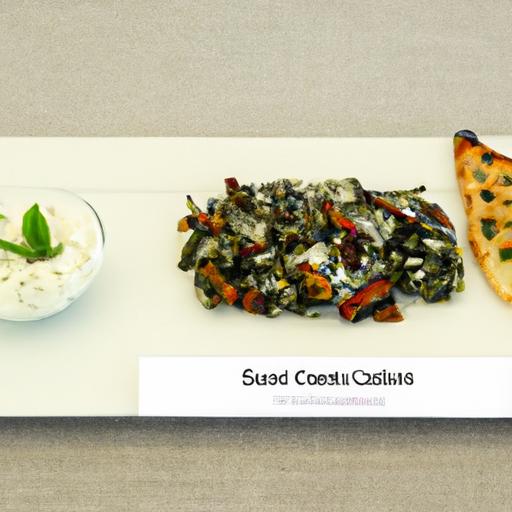

Imagine the sun-drenched streets of Athens, where the scent of sizzling meats mingles with the fresh tang of herbs and yogurt, creating an irresistible aroma that defines Greek street food. At the heart of this culinary symphony lies a dynamic duo beloved by locals and travelers alike: gyro and tzatziki. More than just a meal, this iconic pairing encapsulates centuries of tradition, culture, and flavor mastery. In this article, we dive deep into the origins, ingredients, and secret charms of gyro and tzatziki, unwrapping the story behind Greece’s most celebrated taste combination and exploring why it continues to capture palates around the world.
Gyro & Tzatziki: Greece’s Iconic Flavor Duo Unwrapped invites you on a culinary journey thru the timeless tastes of Greece’s vibrant street food culture. The succulent layers of seasoned meat, expertly roasted to achieve that perfect char, combined with the cool creaminess of tzatziki sauce, create a harmonious dance of textures and flavors that has captivated food lovers for decades. This classic pairing not only exemplifies traditional Greek ingredients but also showcases the artistry behind simple yet bold flavor combinations that stand the test of time.
Prep and Cook Time
- Prep Time: 20 minutes
- Marinating Time: 4-6 hours (preferably overnight)
- Cook Time: 30 minutes
Yield
Serves 4 generous portions
Difficulty Level
Medium – perfect for home cooks ready to elevate their Greek culinary repertoire
Ingredients
- For the Gyro Meat:
- 2 lbs boneless chicken thighs or lean lamb, thinly sliced
- 3 cloves garlic, minced
- 1 tablespoon dried oregano
- 1 teaspoon ground cumin
- 1 teaspoon smoked paprika
- 1 teaspoon ground coriander
- 1 teaspoon sea salt
- ½ teaspoon freshly cracked black pepper
- 3 tablespoons olive oil
- 2 tablespoons lemon juice, freshly squeezed
- For the Tzatziki Sauce:
- 1 cup full-fat Greek yogurt
- ½ large cucumber, peeled and finely grated
- 2 cloves garlic, crushed
- 2 tablespoons extra virgin olive oil
- 1 tablespoon fresh dill, finely chopped
- 1 tablespoon fresh lemon juice
- Salt and black pepper to taste
- Additional:
- 4 warm pita breads
- 1 small red onion, thinly sliced
- Tomato slices
- Fresh parsley or oregano sprigs (for garnish)
Instructions
- Marinate the Meat: In a large bowl, combine garlic, oregano, cumin, smoked paprika, coriander, salt, pepper, olive oil, and lemon juice. Add the thinly sliced chicken or lamb and coat thoroughly. Cover and refrigerate for at least 4 hours, ideally overnight, allowing the spices to deeply infuse the meat.
- Prepare the Tzatziki: Place the grated cucumber in a fine mesh sieve, sprinkle with a pinch of salt, and press gently to remove excess moisture. Combine the cucumber with Greek yogurt, crushed garlic, olive oil, chopped dill, lemon juice, and a pinch of salt and pepper in a mixing bowl. Refrigerate to let the flavors meld.
- Cook the Gyro Meat: Heat a large cast-iron skillet or grill pan over medium-high heat. Add the marinated meat in a single layer and sear without disturbing for 3-4 minutes to develop a caramelized crust. Flip and cook another 3-4 minutes until cooked through and golden. For larger batches, cook in batches to avoid steaming the meat.
- Warm the Pitas: Wrap the pita breads in foil and warm in a 350°F oven for 5-7 minutes or heat briefly on a dry skillet until pliable and lightly toasted.
- Assemble the Gyro: Spread a generous layer of creamy tzatziki over the warm pita. Top with a heap of the sliced gyro meat, then add thin slices of red onion and tomato. Garnish with fresh herbs for a pop of color and aroma.
- Serve Instantly: Fold and enjoy the symphony of juicy, spiced meat balancing the cool tang of tzatziki – an iconic Greek flavor medley that feels like a warm embrace in every bite.
Tips for Success
- Marinating Matters: Patience with marinating elevates tenderness and taste. Overnight is best for an authentic experience.
- Meat Selection: chicken thighs provide succulence, lamb offers a classic depth – both are excellent choices for gyro meat.
- Grate and Drain Cucumber Well: Minimizing excess water in tzatziki prevents it from becoming runny and maintains its creamy texture.
- Layer Flavors: Don’t skimp on fresh lemon juice and herbs; they brighten the overall profile and keep it true to Greek tradition.
- Make ahead: Both meat and tzatziki can be prepped a day prior to save time on busy evenings without losing freshness.
Pairing Perfection: How Gyro & Tzatziki Complement Each other’s Flavors
When you bring together the spicy, smoky aroma of the gyro with the cool, refreshing creaminess of tzatziki, you create an irresistible contrast.The yogurt’s tang cuts through the richness of the meat, while the aromatic dill and cucumber add subtle freshness. This balance ensures that no bite feels heavy or one-dimensional but instead invites you to savor each mouthful with delight.
Serving Suggestions
- Serve with a crisp Greek salad – ripe tomatoes, cucumbers, olives, and feta drizzled with extra virgin olive oil.
- Offer a side of crispy baked potatoes or classic lemon-roasted potatoes to complete the meal.
- Present the gyro wrapped in parchment paper or nestled in a rustic wooden bowl for inviting, casual dining.
- Garnish with fresh herbs, a sprinkle of smoked paprika, and a wedge of lemon for an extra touch of authenticity and color.
| Nutrient | Per Serving |
|---|---|
| Calories | 480 kcal |
| Protein | 38 g |
| Carbohydrates | 28 g |
| Fat | 24 g |

For a deeper dive into Greek flavors and authentic recipes, check out our Greek Cuisine Classics collection. Discover how traditional ingredients combine to create the Mediterranean’s most beloved dishes.
Learn more about Greek culinary traditions from Encyclopedia Britannica’s authoritative guide on Greek cuisine.
Q&A
Q&A: Gyro & Tzatziki – Greece’s Iconic Flavor Duo Unwrapped
Q1: What exactly is a gyro, and what makes it a staple in Greek cuisine?
A1: A gyro (pronounced “yee-roh”) is a beloved Greek street food featuring thinly sliced, perfectly seasoned meat, traditionally cooked on a vertical rotisserie. Wrapped in warm pita bread and paired with fresh veggies and creamy sauces, gyros offer a harmonious blend of savory, smoky, and tangy flavors that capture the heart of Greek culinary tradition.
Q2: Which meats are commonly used in authentic gyros?
A2: Traditionally, gyros are made with chicken, beef, or lamb. These meats are marinated with a blend of Mediterranean herbs and spices like oregano, garlic, and thyme, then slow-cooked to achieve tender, juicy slices infused with aromatic flavor.
Q3: What is tzatziki, and why is it the perfect companion for gyro?
A3: Tzatziki is a refreshing Greek sauce made from creamy Greek yogurt, grated cucumber, garlic, lemon juice, and fresh dill or mint. Its cool, tangy profile beautifully balances the warm, spiced meat of the gyro, creating a flavor dance that’s both vibrant and soothing on the palate.
Q4: How does tzatziki enhance the overall gyro experience?
A4: Beyond its cooling effect, tzatziki adds a subtle acidity and a luscious creaminess that cuts through the richness of the meat. It also imparts a fresh herbal note, linking each bite to the sun-drenched gardens of Greece, making every mouthful feel like a Mediterranean escape.Q5: Are there any key ingredients that give gyro meat its distinct flavor?
A5: Absolutely! A gyro’s signature taste comes from the marriage of traditional spices such as oregano, cumin, coriander, and paprika, ofen accompanied by garlic and onion. This spice blend, combined with slow-rotisserie cooking, creates the meat’s iconic aroma and depth.
Q6: Can tzatziki be customized or adapted for varied tastes?
A6: Certainly. While classic tzatziki sticks to cucumber, yogurt, garlic, and herbs, some variations include a hint of lemon zest, grated carrots for sweetness, or even a sprinkle of crushed red pepper for a mild kick. yet,despite any twists,its core freshness remains untouched.
Q7: What is the cultural significance of gyro and tzatziki in Greece?
A7: More than just appetizing food, gyro and tzatziki represent communal dining, vibrant street life, and centuries of culinary heritage. Sharing a gyro is sharing a moment-whether a swift lunch with friends or a late-night snack-embodying the warm spirit of Greek hospitality.
Q8: Is gyro considered a healthy choice?
A8: When enjoyed mindfully, yes! Gyro meat, especially chicken or lamb, offers a good source of protein.Combined with tzatziki, which is rich in probiotics and low in fat, and fresh vegetables, this duo can make for a balanced, satisfying meal packed with nutrients.
Q9: How can one recreate authentic gyro & tzatziki at home?
A9: While traditional gyro requires a vertical rotisserie, home cooks can achieve delicious results by marinating thinly sliced meat in a robust spice blend, then pan-searing or grilling it. Pair it with a homemade tzatziki-simply Greek yogurt, grated cucumber, garlic, lemon juice, and dill-and serve all wrapped in soft pita bread with tomatoes and onions.
Q10: What makes the gyro & tzatziki pairing timeless and universally loved?
A10: The magic lies in contrast and harmony. The smoky, spiced meat meets the cool, tangy, and creamy tzatziki, creating layers of flavor that delight the senses. This classic combo connects people across cultures through shared enjoyment of wholesome, bold, and simple tastes-an enduring culinary love story from Greece to the world.
Insights and Conclusions
as we wrap up our flavorful journey into the world of gyro and tzatziki, it’s clear that this iconic duo is far more than just a meal-it’s a party of Greek culture, history, and culinary artistry.From the smoky, spiced slices of gyro meat to the cool, creamy tang of tzatziki, each bite tells a story of tradition and innovation woven together over centuries. whether enjoyed on bustling streets in Athens or recreated in your own kitchen, gyro and tzatziki invite you to savor a timeless taste that continues to capture hearts worldwide. so next time you dig in, remember: you’re not just eating; you’re partaking in a delicious chapter of Greece’s rich gastronomic heritage. Opa!