
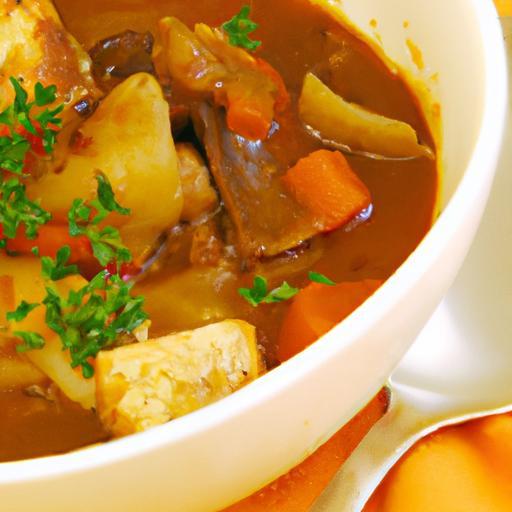
Ther’s a certain magic in the simmering pot of a well-made goulash-a dish that carries the soul of Europe in every hearty spoonful. Rooted deep in the rustic kitchens of Central and eastern Europe,goulash is more than just a stew; it’s a culinary journey through time,culture,and tradition. With its rich blend of tender meats, earthy paprika, and slowly melded flavors, this comforting meal speaks of smoky mountain villages, bustling town squares, and generations gathered around the table. In this article, we invite you too explore the vibrant history and savory essence of rustic European goulash, unraveling the authentic techniques and iconic ingredients that make this dish a timeless taste treasure.
Hearty Rustic European Goulash embodies the soul of Central and Eastern European kitchens, melding simple, wholesome ingredients into a deeply comforting stew that has warmed tables through centuries.Originating from the Hungarian plains, this robust dish captures the essence of rustic home cooking, marrying tender chunks of beef with the vibrant earthiness of paprika and slow-simmered vegetables. As a longtime food stylist and culinary content creator, I’ve found that each pot of this hearty goulash tells its own story-invoking memories of crackling fires, bustling village markets, and the long, social dinners that celebrate togetherness and tradition.
Prep and Cook Time
- Preparation Time: 20 minutes
- Cooking Time: 2 hours 15 minutes
Yield
Serves 6 hearty portions
Difficulty Level
Medium – perfect for those ready to embrace slow cooking with rewarding depth of flavor
Key Ingredients That Define a Hearty and Authentic Flavor
- 2 pounds beef chuck, cut into 1-inch cubes (for melt-in-mouth tenderness)
- 3 tablespoons sweet Hungarian paprika (the signature spice that brings warmth and color)
- 2 large onions, finely sliced (foundation for rich, caramelized flavor)
- 3 cloves garlic, minced
- 2 tablespoons vegetable oil (for sautéing)
- 2 cups beef broth, preferably homemade or low-sodium
- 1 cup carrots, sliced into thick rounds
- 2 medium potatoes, peeled and cubed
- 1 red bell pepper, diced (for sweetness and texture)
- 1 teaspoon caraway seeds (optional, customary aroma enhancer)
- Salt and black pepper, to taste
- Fresh parsley, chopped, for garnish
Step-by-Step Guide to Crafting Traditional European Goulash
- Heat the vegetable oil in a heavy-bottomed pot over medium heat. Add the sliced onions and sauté until deep golden brown,about 12-15 minutes,stirring frequently to avoid burning.This step is crucial for developing the stew’s rich, caramelized base.
- Add minced garlic and cook for another minute until fragrant.
- Increase heat slightly and add beef cubes. Brown the meat on all sides, approximately 5-7 minutes, ensuring no overcrowding for better caramelization.
- Reduce heat to low and stir in the sweet Hungarian paprika instantly, coating the meat and onions well. Quickly add the beef broth to prevent the paprika from burning and turning bitter.
- Add caraway seeds and season generously with salt and black pepper.
- cover and gently simmer for 1.5 hours, stirring occasionally, until the beef begins to soften and the flavors have melded beautifully.
- Incorporate the carrots, potatoes, and red bell pepper. Continue simmering uncovered for another 30-45 minutes until vegetables are tender and the broth thickens into a luscious gravy.
- Adjust seasoning if necessary, adding more salt or pepper for balance.
- Remove from heat and let the goulash rest for 10 minutes before serving to deepen the flavors further.
Chef’s Notes and Tips for Success
- Choosing the right cut: Beef chuck is ideal because it breaks down slowly and stays tender. Avoid leaner cuts that dry out.
- Slow and low: Patience is key-letting the goulash slowly simmer transforms it into rich comfort food.
- Vegetarian variation: Swap beef with hearty mushrooms and add vegetable broth for a savory twist.
- Make ahead: Goulash tastes even better the next day-store in an airtight container in the fridge for up to 3 days.
- Thickening the stew: If the stew is too watery, mash a few cooked potatoes into the sauce or simmer uncovered for a few more minutes.
serving Suggestions and Pairings to Elevate Your Taste Experience
Present your hearty rustic European goulash in deep bowls, garnished with vibrant chopped parsley for a fresh contrast. This dish pairs beautifully with rustic rye bread or buttery spaetzle to soak up every drop of the savory sauce. For a lighter side,serve alongside a crisp cucumber salad dressed with vinegar and dill,which cuts through the richness elegantly.
To create an atmospheric experience, complement your meal with traditional Central European pickles or a dollop of sour cream on the side-both time-honored ways to enjoy this classic stew.A robust herbal tea or a sparkling mineral water with a slice of lemon completes the palate refreshingly.
| Nutrient | Per Serving |
|---|---|
| Calories | 420 kcal |
| Protein | 38 g |
| Carbohydrates | 25 g |
| Fat | 18 g |

Explore more comforting European dishes like our Classic Hungarian Lentil Soup to accompany your culinary journey.For an in-depth look at paprika’s role in traditional goulash, check out this informative resource from Britannica.
Q&A
Q&A: Hearty Rustic European Goulash – A Traditional Taste Journey
Q1: What is goulash, and where does it originate?
A1: Goulash is a rich, slow-cooked stew renowned for its bold flavors and tender textures. It hails from Central Europe, with deep roots in Hungarian cuisine. Traditionally, it was a shepherd’s meal-nourishing and simple-crafted to be hearty enough for long days in the fields.
Q2: What defines a “rustic” european goulash?
A2: A rustic goulash embraces simplicity and authenticity-the kind of flavors born from time-honored family recipes handed down through generations.It’s unpretentious, focusing on wholesome ingredients like beef, onions, paprika, earthy root vegetables, and fragrant herbs. The magic lies in slow simmering, which melds these components into a soulful stew.
Q3: Why is paprika so essential in goulash?
A3: Paprika is the heartbeat of goulash. This vibrant red spice provides warmth,a smoky or sweet depth,and that signature reddish hue. it’s not just a seasoning; it’s a cultural emblem, linking every spoonful to the sunny plains and spice markets of historic Hungary.
Q4: What kinds of meat work best in a traditional goulash?
A4: Beef is the classic choice, particularly tougher cuts like chuck or shin. These cuts become meltingly tender as they slow-cook,releasing rich,beefy flavors. The texture and depth achieved through this long simmering process are crucial to capturing the rustic essence.
Q5: Can goulash be made with ingredients that highlight regional variations across Europe?
A5: Absolutely! While Hungarian goulash is the most famous,variations abound-from the creamy,paprika-infused versions of Slovakia to the heartier,vegetable-rich recipes found in some Czech and Austrian traditions. Each region adds its own twist, whether it’s the addition of potatoes, carrots, or a splash of tangy tomato.
Q6: What cooking techniques are key to achieving authentic rustic goulash flavors?
A6: Patience is paramount. Browning the meat well before adding liquids builds deep layers of flavor. Slow simmering over low heat allows spices and ingredients to interlace fully, creating that melt-in-the-mouth tenderness. Stirring occasionally and tasting as you go result in a balanced, harmonious stew.
Q7: How is rustic goulash traditionally served?
A7: Traditionally, goulash is served hot and hearty, often accompanied by crusty bread, buttered egg noodles, or soft dumplings like spaetzle. These starches soak up the luscious sauce, making each bite a satisfying experience. A simple garnish of fresh parsley adds a bright contrast to the rich stew.
Q8: What makes goulash a “comfort food” in European households?
A8: Goulash wraps you in warmth, both literally and metaphorically. Its deep, layered flavors create a cozy embrace on chilly days, while its rustic roots echo family kitchens filled with shared laughter and stories. It’s a dish that nurtures body and soul, inviting a slow, savored connection to tradition.
Q9: Are there vegetarian ways to enjoy the flavors of traditional goulash?
A9: Yes! Root vegetables like potatoes, carrots, parsnips, and mushrooms can mirror the hearty texture and absorb the paprika-rich broth beautifully. Using vegetable stock and incorporating beans or lentils can add protein and depth without compromising that signature smoky warmth.
Q10: What tips do you have for home cooks trying their hand at making rustic European goulash?
A10: choose quality ingredients, especially fresh paprika and well-marbled beef. Don’t rush the browning process-it’s where the stew’s soul begins. Embrace slow cooking, letting the pot work its magic. taste often and adjust seasoning gradually-paprika’s flavor can be delicate but vital. Pair your stew with simple sides and enjoy the tradition with friends or family for a true taste journey.
Key Takeaways
As the rich aroma of simmering paprika and tender chunks of beef lingers in the air, hearty rustic European goulash invites us not just to a meal, but to a tradition steeped in history and comfort. This dish, with its symphony of bold spices and soulful warmth, offers more than sustenance-it tells a story of countryside kitchens, family gatherings, and the timeless joy of simple, heartfelt cooking. Whether enjoyed on a chilly evening or shared among friends, goulash remains a flavorful journey through Europe’s culinary heritage, reminding us that sometimes the most profound pleasures come from the heartiest, humblest creations. So next time you ladle this vibrant stew onto your plate, savor not only its robust flavors but also the rich cultural tapestry it carries with every bite.