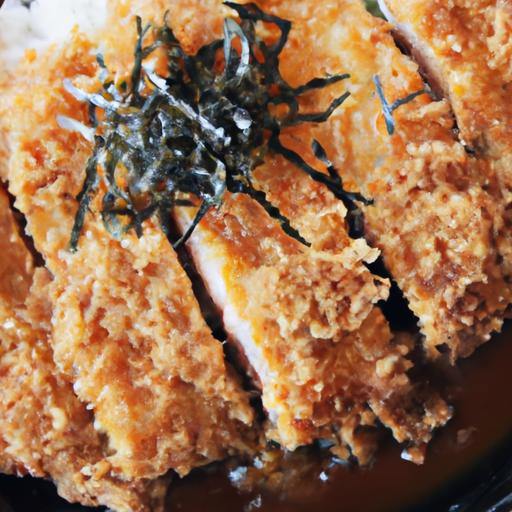

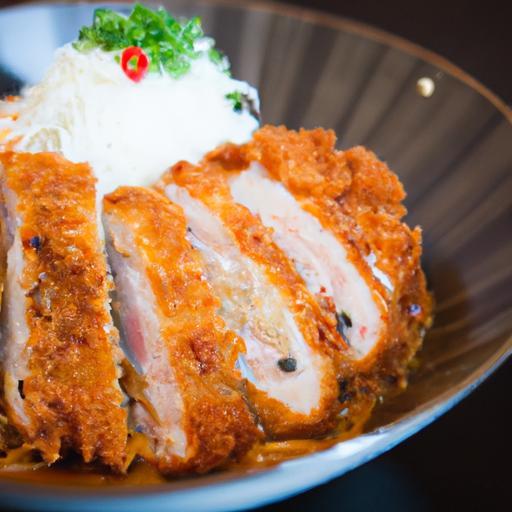
Beneath the bustling streets of Tokyo and the serene countryside of Japan lies a simple yet soul-satisfying dish that has captured hearts and appetites alike: katsudon. More than just a bowl of rice topped with crispy pork cutlet and egg, katsudon is a comfort food steeped in tradition, culture, and a story waiting too be told. In this article,we’ll peel back the layers of this beloved Japanese dish-exploring its origins,the art of its perfect readiness,and the reasons why katsudon remains the ultimate go-to comfort bowl for millions.Prepare to embark on a culinary journey that reveals why katsudon is much more than the sum of its flavorful parts.
Discovering the Origins and Cultural Significance of Katsudon
Katsudon uncovered reveals more than just a popular Japanese comfort dish; it unravels a story steeped in history and heartwarming tradition.This iconic bowl, combining crispy breaded cutlet with savory-sweet simmered egg over fluffy steamed rice, first emerged in the early 20th century. Originally conceived as a hearty meal for students seeking good luck before exams, katsudon quickly became a beloved staple across Japan. Its cultural significance runs deep, symbolizing perseverance and celebration. The very word “katsu” derives from the verb “katsu,” meaning “to win,” making it a dish often enjoyed during moments seeking triumph and encouragement.
Prep and Cook Time
- Preparation: 20 minutes
- Cooking: 20 minutes
- Total Time: 40 minutes
Yield
serves 4 hearty portions
Difficulty Level
Medium – perfect for those cozy with frying and layering flavors
Mastering the Perfect Katsudon: Ingredients and Cooking Techniques
To master the perfect katsudon, focus on balancing textures and umami-rich layers that create that melt-in-your-mouth satisfaction. Each element must shine,starting with a crispy and tender chicken cutlet,paired with a gently simmered egg custard infused with a comforting broth that soaks into steaming rice below.
- 4 boneless, skinless chicken breasts (about 1 lb total)
- 1 cup all-purpose flour, sifted
- 2 large eggs, beaten (for dredging)
- 1 ½ cups panko breadcrumbs
- Vegetable oil (for deep frying, about 2 cups)
- 2 medium onions, thinly sliced
- 3 large eggs, lightly beaten (for simmering)
- 1 ½ cups dashi stock (homemade or store-bought)
- 3 tablespoons soy sauce
- 2 tablespoons mirin
- 1 tablespoon sugar
- Steamed Japanese short-grain rice (about 4 cups cooked)
- Chopped green onions for garnish
- Pickled ginger or shichimi togarashi (optional garnish)
Instructions
- Prepare the chicken cutlets: Butterfly each chicken breast by slicing horizontally but not completely through. Open like a book and gently pound with a meat mallet to about ½ inch thickness for even cooking.
- Dredge and coat: Set up a breading station with flour, beaten eggs, and panko breadcrumbs in seperate shallow dishes. Lightly season the chicken with salt and pepper. Dredge in flour, shake off excess, dip in egg, then coat evenly with panko.
- Deep-fry the cutlets: Heat vegetable oil to 350°F (175°C) in a deep skillet or fryer. Carefully fry chicken one or two at a time, turning occasionally, until golden brown and crisp, about 4-5 minutes per side. Transfer to a wire rack to drain excess oil.
- Simmer the onions: In a wide skillet, combine dashi stock, soy sauce, mirin, and sugar. Bring to a gentle simmer over medium heat. Add thinly sliced onions and cook until translucent and soft,about 5-7 minutes.
- Slice and layer cutlets: Cut the fried cutlets into 1-inch strips and place them over the simmered onions in the skillet.
- Pour eggs over the top: Slowly pour the lightly beaten eggs evenly across the cutlets and onions. Cover the skillet with a lid and simmer just until the eggs are softly set but still slightly runny,approximately 2-3 minutes.
- Prepare the serving bowls: Divide freshly steamed rice into four donburi (rice bowls). Carefully slide the egg-cutlet mixture over the rice,capturing all the savory broth and tender onions.
- Garnish and serve: Sprinkle with chopped green onions and optional pickled ginger or shichimi togarashi for a pop of color and heat. Serve immediately for the ultimate warm comfort experience.
Tips for Success
- Use panko breadcrumbs for that unmistakable airy crunch essential to authentic katsudon.
- Maintain oil temperature carefully; too hot will burn the crust, too low will make it soggy.
- Try chicken thighs as a juicier option for cutlets, trimming excess fat.
- For a vegetarian twist, substitute tofu or eggplant slices, breaded and fried similarly.
- Simmer eggs gently; take care not to overcook-soft, custardy eggs complement the crispy cutlet beautifully.
Exploring Regional Variations and Flavor Twists
From Tokyo’s classic rendition to Kansai’s subtly sweeter broths, regional variations of this beloved dish showcase Japan’s diverse culinary landscape. Some regions swap chicken for crispy chicken karaage or even tender beef cutlets. Others infuse the simmering broth with miso for richer depth or add fresh shiitake mushrooms for an earthy twist. For those craving a modern spin, topping katsudon with truffle oil or serving alongside a refreshing yuzu slaw can bring exciting layers to this time-honored comfort bowl.
Pairing Suggestions and Serving Tips for the Ultimate Comfort experience
To elevate your katsudon experience, serve it alongside a light, crisp assortment of Japanese pickles such as takuan or kimchi-style cabbage. A steaming bowl of miso soup with wakame and cubes of silken tofu balances the rich flavors perfectly. For beverage pairing, a chilled green tea or a delicate barley tea complements the dish without overpowering its savory nuances.
Presentation matters-serve katsudon in deep donburi bowls to showcase the golden eggs cascading over the crispy cutlet and garnished with fresh green onions or mitsuba leaves. Adding a sprinkle of toasted sesame seeds or a small mound of grated daikon with soy sauce on the side can amplify both texture and flavor, making every bite memorably comforting.
| Nutrient | Per Serving |
|---|---|
| Calories | 580 kcal |
| Protein | 38 g |
| Carbohydrates | 55 g |
| Fat | 20 g |

For a deep dive into authentic Japanese rice cooking techniques that perfectly complement katsudon, explore our Perfect Japanese Rice Guide. Further, to understand dashi stock’s pivotal role in Japanese comfort foods, visit the Japanese Cooking 101 guide.
Q&A
Katsudon Uncovered: Japan’s Ultimate Comfort Bowl Explained – Q&A
Q1: What exactly is katsudon?
A1: Katsudon is a beloved Japanese rice bowl topped with a tender, breaded, and fried cutlet, cooked together with eggs and a savory-sweet sauce. It’s the epitome of comfort food,combining crispy textures with fluffy rice and a lush,flavorful egg glaze.
Q2: Where does the name “katsudon” come from?
A2: The word “katsu” means cutlet, and “don” is short for donburi, which refers to a bowl of rice with toppings. Put together, katsudon literally means “cutlet rice bowl,” highlighting its simple yet satisfying composition.Q3: What kinds of cutlets are typically used in katsudon?
A3: Traditionally, katsudon features a breaded and fried chicken or beef cutlet. The emphasis is on a juicy interior wrapped in a crisp, golden crust, offering a delightful bite with every spoonful.
Q4: How is katsudon prepared and served?
A4: The cooked cutlet is simmered briefly in a dashi-based sauce infused with soy, mirin, and sugar, then topped with beaten eggs that gently cook and coat the cutlet. This mixture is ladled over a bowl of steamed white rice, creating a harmonious melding of flavors and textures.
Q5: Why is katsudon considered a comfort food in Japan?
A5: Katsudon’s warm, savory blend of crispy cutlet, soft-cooked eggs, and steamy rice evokes feelings of homestyle cooking and nourishment. It’s frequently enough associated with family meals or a hearty pick-me-up after a long day, making it a fixture of Japanese comfort cuisine.
Q6: Are ther regional variations of katsudon?
A6: Yes! Some regions tweak the sauce or the type of cutlet used, while others might add onions or different seasonings.Yet the core essence of a crispy cutlet enveloped in egg over rice remains steadfast, celebrating local flavors without straying from the heartwarming roots.
Q7: Can katsudon be enjoyed beyond conventional restaurants?
A7: absolutely. Katsudon is popular in fast-food chains,casual eateries,and even homemade kitchens across Japan. Its straightforward preparation invites home cooks to customize it, making it a versatile and universally loved dish.
Q8: What makes katsudon distinct from other donburi dishes?
A8: The defining factor is the breaded cutlet that’s cooked directly in the egg and sauce mixture atop the rice. Unlike other donburi that might use grilled, raw, or simmered toppings, katsudon’s golden, crispy texture combined with velvety egg sets it apart.
Q9: Can katsudon be adapted for different dietary preferences without losing its essence?
A9: Yes. By choosing alternative proteins like chicken or beef and focusing on the hallmark egg and sauce combination, katsudon maintains its soul. Even vegetarian or plant-based versions can mimic the texture and flavor profile with innovative ingredients, offering comfort to a diverse palate.
Q10: Why should someone new to Japanese cuisine try katsudon?
A10: Katsudon is an accessible gateway to Japanese flavors – vibrant yet familiar, richly layered yet comforting. It perfectly balances crispy, tender, savory, and sweet elements in a single bowl, promising a satisfying experience that tells a story of home, tradition, and culinary care.
Key takeaways
As the golden panko crisps meet the warm embrace of simmered onions and a gently cooked egg, katsudon reveals itself not just as a meal, but as a story-of tradition, comfort, and the simple joys that unite taste and memory. Beyond its crispy exterior and savory depths lies a dish that embodies the heart of Japanese home cooking: nourishing, satisfying, and steeped in cultural meaning. Whether you’re a seasoned food lover or a curious newcomer, exploring katsudon is an invitation to savor Japan’s ultimate comfort bowl-one bite at a time. So next time hunger calls, let katsudon be your delicious answer, a dish that comforts as much as it delights.