
Kimchi Fried Rice: A Spicy twist on a Classic Favorite
In the vibrant world of Korean cuisine, few dishes capture the essence of comfort and bold flavor quiet like kimchi fried rice. This humble dish takes the everyday simplicity of fried rice and transforms it into a sizzling celebration of spice,tang,and umami,thanks to the star ingredient-kimchi. Whether you’re a seasoned foodie or a curious newcomer,exploring kimchi fried rice offers a delicious window into korea’s rich culinary heritage and its love for fermented,flavorful foods. Join us as we dive into the origins, ingredients, and irresistible appeal of this spicy twist on a classic favorite.
Origin and Cultural Meaning of Kimchi fried Rice
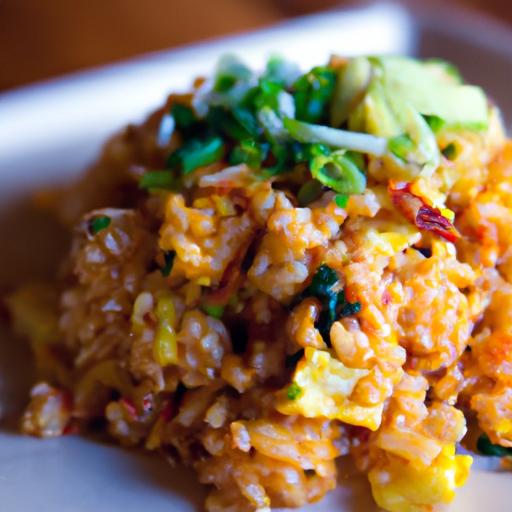
Kimchi Fried Rice, a beloved staple in Korean cuisine, exemplifies how humble ingredients transform into a comforting, flavorful dish steeped in history. Born from the necessity of using leftover kimchi and rice, this dish showcases the essence of Korean home cooking-resourcefulness and bold flavors. The kimchi fried rice melds spicy, tangy fermented cabbage with the satisfying texture of stir-fried rice, making it a go-to meal for rapid lunches or hearty dinners. Beyond its practicality, this dish holds cultural weight as a symbol of Korean culinary identity, reflecting the country’s conventional fermentation techniques and layered spice profiles that have thrilled palates worldwide.
Prep and cook Time
- Planning time: 10 minutes
- Cooking time: 15 minutes
- Total time: 25 minutes
Yield
Serves 3 to 4 people
Difficulty Level
Easy - Perfect for everyday cooking and beginner home chefs
Essential Ingredients and Tips for the Perfect Balance of spice
- 3 cups cooked short-grain rice, preferably cold for better texture
- 1 cup well-fermented kimchi, roughly chopped with some kimchi juice
- 2 tablespoons gochujang (Korean chili paste) for that signature heat and depth
- 1 tablespoon sesame oil, toasted for aroma and richness
- 1 small onion, finely diced to add subtle sweetness
- 2 cloves garlic, minced for aromatic undertones
- 2 green onions, thinly sliced for freshness and garnish
- 1 tablespoon vegetable oil for stir-frying
- 1 teaspoon soy sauce or tamari for gluten-free option, to enhance umami
- 1 teaspoon sugar to balance acidity and spice
- Optional: 2 fried eggs for topping, seaweed flakes for garnish
To achieve the perfect balance of spice in your kimchi fried rice, it’s essential to taste and adjust gochujang quantities gradually.The natural tanginess of fermented kimchi pairs beautifully with the deep, sweet-savory notes of gochujang, but avoid overpowering the dish by starting small and building layers of flavor.
Step-by-Step Cooking Techniques for Authentic Flavor
- Prepare your rice: Use cold, day-old rice to keep the grains separate and prevent mushiness. Break up any clumps gently with a fork.
- Sauté aromatics: Heat vegetable oil in a large skillet or wok over medium heat. Add minced garlic and diced onion, stirring until fragrant and translucent, about 3 minutes.
- Add kimchi: Incorporate the chopped kimchi along with 2-3 tablespoons of its juice. Sauté for 4-5 minutes, allowing the kimchi to soften and caramelize slightly, deepening its flavor.
- Introduce rice and seasoning: Raise heat to medium-high. Add the cold rice, breaking it apart as you stir. Drizzle in the gochujang, soy sauce, and sugar.Stir constantly to coat the rice evenly, cooking for another 5 minutes until heated through.
- Finish with sesame oil and green onions: Remove from heat and drizzle sesame oil over the rice. Toss in sliced green onions to brighten the dish instantly before serving.
- Optional: top with fried eggs: For added richness, fry eggs sunny-side up in a separate pan and crown your Kimchi Fried Rice just prior to plating.
Creative Variations to Customize Your Kimchi Fried Rice Experience
Personalize your kimchi fried rice by experimenting with complementary ingredients that deepen both texture and flavor. Consider adding sautéed mushrooms or diced tofu for a vegetarian boost.For a heartier meal, toss in cooked chicken breast or shrimp (avoid pork-based proteins). Incorporate crunchy elements like toasted sesame seeds or crushed roasted seaweed for an engaging mouthfeel. If you enjoy more heat, sprinkle extra chili flakes or a drizzle of chili oil. swap the short-grain rice for cauliflower rice for a lighter, low-carb alternative without sacrificing the bold essence that kimchi imparts.
Chef’s Notes
- Rice texture: Use rice cooked with slightly less water for firmer grains that hold up well during frying.
- Kimchi selection: The riper the kimchi, the tangier and spicier the final dish will be.Adjust sugar and gochujang accordingly.
- Make-ahead tip: Kimchi fried rice reheats beautifully in a hot pan or microwave; add a splash of water or broth to prevent dryness.
- Substitutions: Use coconut aminos rather of soy sauce for a gluten-free and soy-free version.
- Storage: Store leftovers in an airtight container for up to 3 days; the flavor frequently enough intensifies overnight!
serving Suggestions
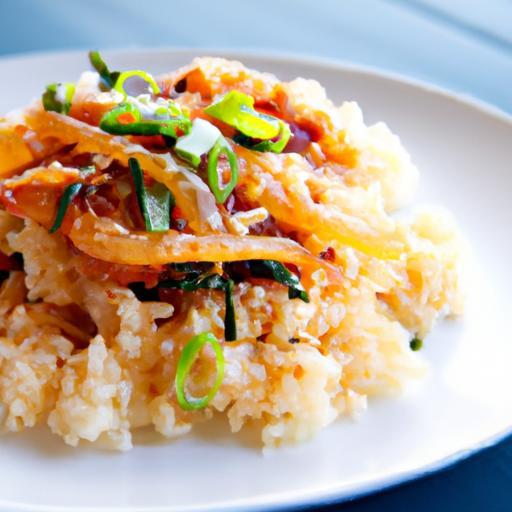
Serve your vibrant kimchi fried rice on warm plates, garnished with a sprinkle of toasted sesame seeds and additional green onion ribbons. A perfectly fried egg with a runny yolk crowning the dish adds creaminess and indulgence. Accompany with crisp cucumber slices or a simple leafy green salad to balance the spice.For a complete Korean-inspired meal, pair with spicy tofu stew to create a harmonious flavor journey.

| Nutrient | Per Serving |
|---|---|
| Calories | 350 kcal |
| Protein | 9 g |
| Carbohydrates | 58 g |
| Fat | 8 g |
For more on the fascinating world of Korean cuisine and fermented foods, visit Korean Bapsang, a trusted culinary resource.
Q&A
Q&A: Kimchi Fried Rice: A Spicy Twist on a Classic Favorite
Q1: What makes kimchi fried rice different from regular fried rice?
A1: Kimchi fried rice stands out thanks to its bold, tangy, and spicy flavor profile. Unlike typical fried rice, which might lean on soy sauce or mild seasonings, kimchi fried rice uses fermented kimchi as its star ingredient. This gives the dish a distinctive umami punch and a lively zest that awakens the palate with every bite.
Q2: Can you explain the role of kimchi in this dish?
A2: Kimchi isn’t just a topping-it’s the soul of kimchi fried rice. The fermented cabbage brings a complex blend of sourness, spice, and sweetness. As it cooks, kimchi softens and infuses the rice with its characteristic depth, creating a harmony of flavors that is both comforting and exciting.The fermentation also adds probiotics, making the dish not only tasty but a friend to your gut.
Q3: What are some essential ingredients for making kimchi fried rice?
A3: Besides day-old rice and well-fermented kimchi, essential ingredients include garlic, green onions, and a bit of sesame oil to add aroma and richness.A fried egg on top is a classic finishing touch, adding creaminess and balance. Optional kicks come from gochujang (Korean chili paste) for extra heat and depth, and toasted sesame seeds for a nutty crunch.
Q4: How do you achieve the perfect texture in kimchi fried rice?
A4: The secret to perfect kimchi fried rice lies in using cold, day-old rice-its slightly dried-out grains prevent clumping and ensure a light, fluffy texture.Stir-frying over medium-high heat helps to caramelize the kimchi and rice just enough to add a subtle crispness without overcooking. Constant stirring and even heat distribution keep everything well incorporated.
Q5: Is kimchi fried rice customizable for different tastes?
A5: Absolutely! Kimchi fried rice is a wonderfully adaptable dish. Vegetarians can add mushrooms, zucchini, or tofu for extra heartiness. For more protein, one can add chicken breast, beef strips, or seafood like shrimp and squid.Adjusting the amount of gochujang or chili flakes tailors the spice level to your preference, making it friendly for both mild and adventurous eaters.
Q6: What makes kimchi fried rice a great choice for using leftovers?
A6: Kimchi fried rice is a classic example of a “clean-the-fridge” meal. It seamlessly combines leftover rice with bits of vegetables, eggs, and any proteins on hand.Its robust flavors mean that even humble remnants get elevated, reducing food waste while turning simple staples into a comforting, flavorful feast.
Q7: Can kimchi fried rice be part of a balanced meal?
A7: Definitely. Packed with carbohydrates from the rice, vitamins from kimchi and vegetables, and protein from eggs or added meats, it covers many nutritional bases. The probiotics found in fermented kimchi support digestion, making the dish not only delicious but beneficial for overall wellness when enjoyed as part of a balanced diet.
Q8: How can beginners avoid common pitfalls when making kimchi fried rice?
A8: Beginners should be cautious about not overcrowding the pan, which can cause the rice to steam rather than fry. using day-old rice prevents mushiness. Also, be mindful of seasoning-kimchi can be quite salty and spicy, so taste as you go before adding extra salt or hot sauces. Lastly, don’t rush-the key is to let the kimchi caramelize slightly for that signature depth.
Q9: What cultural significance does kimchi fried rice hold in Korean cuisine?
A9: Kimchi fried rice represents Korean ingenuity in resourcefulness-transforming leftovers into a satisfying meal imbued with bold flavors. It embodies home-style comfort and everyday practicality, reflecting the country’s love for fermentation and spice. While simple, it’s a dish that carries tradition, storytelling, and a communal spirit with every bite.
Q10: Any tips for presenting kimchi fried rice?
A10: Presentation is all about layering flavors and textures. A perfectly fried sunny-side-up egg nestled atop steaming kimchi fried rice adds a visual and taste contrast. Garnishing with chopped scallions, toasted sesame seeds, and a drizzle of sesame oil brings brightness and nuttiness. Serving alongside crisp, refreshing pickled vegetables or fresh greens can also balance the dish’s richness and spice.
Wrapping Up
Whether you’re a kimchi connoisseur or a curious foodie eager to explore new flavors, kimchi fried rice offers a deliciously spicy twist on a beloved classic. This vibrant dish not only celebrates the bold tang of fermented kimchi but also transforms humble leftover rice into a satisfying, comforting meal bursting with umami. So next time you crave something quick yet packed with flavor, let kimchi fried rice bring a fiery kick and a taste of Korea right to your kitchen table. Embrace the fusion of tradition and creativity-your palate will thank you.