
When it comes to indulgent desserts, few treats captivate the senses quite like a molten lava cake. Traditionally known for its rich, velvety chocolate core that spills warm and decadent with every spoonful, the classic lava cake has long been a symbol of comfort and elegance. but what happens when this beloved dessert receives a zesty makeover? Enter the lemon lava cake-a luminous and invigorating twist that infuses the familiar gooey center with vibrant citrus flavors. This fusion of tart lemon and luscious cake transforms an iconic dessert into a refreshing experience, perfect for those seeking something both familiar and refreshingly new. Join us as we explore the art and allure of the lemon lava cake, where classic decadence meets a lively burst of zest.
The Origins and Evolution of the Lemon Lava Cake
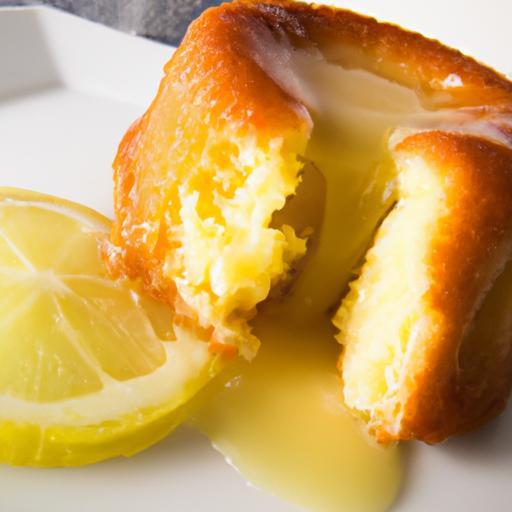
Lemon Lava Cake is a delightful reinterpretation of the classic molten chocolate cake, bringing a bright and refreshing zest to an indulgent dessert experience. This captivating fusion originated as an inventive twist in modern patisserie circles, where chefs sought to balance the rich, gooey decadence of lava cakes with the vibrant acidity of citrus. Over time, the lemon-infused variation has evolved into a beloved treat that melds texture and flavor in harmonious contrast-offering a molten core that bursts with luscious lemon curd, encased in a tender, buttery cake shell.
Traditionally, lava cakes highlight the intense, bittersweet notes of dark chocolate, but the addition of lemon introduces a lively dimension that enlivens the palate and brightens after-dinner indulgence. This evolution reflects a growing appetite for desserts that blend richness with refreshing notes,making Lemon Lava Cake an ideal finale for spring and summer gatherings,or whenever you crave something both comforting and uplifting.
Mastering the Perfect Gooey Center with Citrus Infusion
Achieving the signature molten center in a lemon lava cake requires precision and attention to detail. Unlike chocolate lava cakes, where melting chocolate creates the liquid core, this recipe relies on a silky lemon curd nestled inside a delicate cake batter. The challenge is maintaining that luscious liquid while ensuring the exterior is fully baked with a tender crumb. To do this, the batter must be folded carefully to incorporate airiness without deflating, and baking times must be just right-between 10 to 12 minutes depending on oven calibration and ramekin size.
Using freshly juiced lemons and high-quality zest intensifies the citrus aroma,which is crucial as it penetrates the warm cake. Incorporating a small amount of cornstarch stabilizes the lemon curd, preventing it from becoming overly runny while keeping it irresistibly gooey. A water bath (bain-marie) is optional but recommended for even baking and preventing cracking.
Choosing the Best Ingredients to Enhance Zesty Flavors
- Fresh Lemons: Choose unwaxed, ripe lemons for bright juice and fragrant zest. Avoid bottled juice as it lacks the nuanced flavor essential for this cake.
- Unsalted Butter: Provides a clean, creamy backdrop that lets the citrus shine; avoid margarine or salted butter for better control.
- High-quality Eggs: Use fresh, large eggs at room temperature to help create a light yet stable batter.
- Fine Sugar: Prefer superfine sugar for quicker dissolution, which aids in smooth cake texture.
- Premium White Chocolate or white Couverture (Optional): For a subtle creaminess that complements lemon without overpowering.
- Cornstarch: Adds silkiness and stability to the lemon curd,ensuring the lava center holds its shape with the perfect wobble.
Prep and Cook time
- Preparation: 20 minutes
- Cooking: 12 minutes
- Total: 32 minutes
Yield
- 4 individual servings
Difficulty Level
- Medium - requires timing and attention to consistency, but straightforward with clear steps
Ingredients
- 3 large eggs, room temperature
- ½ cup granulated sugar
- ¼ cup unsalted butter, melted and cooled
- ⅓ cup all-purpose flour, sifted
- Zest of 2 lemons
- Juice of 2 lemons (approx.⅓ cup), fresh
- 2 tbsp cornstarch
- ¼ cup heavy cream
- ½ tsp vanilla extract
- Powdered sugar, for dusting
- Butter and granulated sugar for preparing ramekins
Instructions
- prepare the ramekins: Generously butter 4 ramekins (6 oz size), then dust inside with granulated sugar, ensuring full coverage to prevent sticking.
- Make the lemon curd: In a small saucepan, whisk together lemon juice, zest, sugar (use 2 tbsp from total), cornstarch, and heavy cream until smooth. Heat over medium-low,stirring constantly until thickened and silky,about 5 minutes.Remove from heat and let cool.
- Preheat oven to 425°F (220°C).
- Make the cake batter: In a mixing bowl, whisk eggs and remaining sugar vigorously until pale and fluffy (about 3-4 minutes). Gradually add melted butter and vanilla extract, mixing until combined.
- Carefully fold in the sifted flour: Gently fold flour into the wet ingredients using a spatula,keeping as much air as possible for a light texture.
- Assemble the cakes: Divide half the batter between ramekins. Spoon a generous tablespoon of lemon curd into the center of each,then cover with remaining batter,smoothing the tops gently.
- Bake immediately: Place ramekins on a baking sheet and bake for 10-12 minutes, or until the edges are set but the center jiggles slightly when shaken.
- Rest and unmold: Let cakes cool for 2 minutes, then run a thin knife around edges and invert onto dessert plates.
- Finish and serve: Dust with powdered sugar and optionally garnish with fresh lemon slices or mint sprigs. serve warm to enjoy the molten lemon center at its peak.
Tips for success
- For a smoother lemon curd, strain the mixture before setting it to cool, removing any zest pulp.
- Do not overbake-oven times vary; keep a close eye to prevent drying the center.
- To make ahead, prepare lemon curd and batter separately, refrigerate, and assemble just before baking.
- Experiment with adding a pinch of finely ground cardamom or lavender to the batter for a floral twist.
- Use silicone molds for easy release, but adjust baking time down slightly.
Creative serving Suggestions to Elevate Your Dessert Experience
Lemon lava cake shines when paired with complementary flavors and textures. Consider serving alongside a dollop of lightly whipped cream infused with lemon zest to enhance brightness. A fresh berry compote-such as raspberry or blueberry-brings a natural tartness that contrasts beautifully with the sweet cake. For an elegant touch, drizzle a honey-thyme syrup over the plate or sprinkle toasted almond slivers for added crunch.
Presentation is key: a carefully dusted top with powdered sugar coupled with a delicate edible flower or fresh mint sprig elevates the visual appeal instantly. For celebrations, plate the cakes individually on sleek white dishes, adding a thin slice of candied lemon peel spiraled beside the cake for added texture and sparkle.
Pair with a chilled cup of Jasmine green tea or a sparkling citrus mocktail to complete a refreshing dining experience.
| Nutrient | Per Serving |
|---|---|
| Calories | 320 kcal |
| Protein | 5 g |
| Carbohydrates | 42 g |
| Fat | 14 g |
Discover more citrus-inspired desserts in our Citrus Dessert Collection to keep your taste buds refreshed all year round.
for expert insights on pastry techniques and ingredient selection, visit Serious Eats, a trusted resource for food professionals and enthusiasts alike.

Q&A
Q&A: Lemon Lava Cake - A Zesty Twist on a Classic Dessert Delight
Q1: What makes lemon lava cake different from the customary chocolate lava cake?
A1: While traditional lava cakes are famous for their molten chocolate centers, lemon lava cakes surprise with a vibrant, citrusy core. Instead of rich chocolate, the center oozes with tangy lemon curd or a lemon-infused custard, offering a refreshing brightness that awakens the palate and adds a sunny twist to the classic molten dessert experience.
Q2: How is the texture of lemon lava cake achieved?
A2: The magic lies in balancing the cake batter with just the right amount of acidity and moisture. Typically,the outer cake layer remains tender and slightly sponge-like,while the center stays softly molten.This is achieved by carefully controlling baking time and temperature, ensuring the outer edges set perfectly while the zesty lemon filling remains luscious and flowing.
Q3: which ingredients are essential for creating that trademark molten lemon center?
A3: The star ingredients include fresh lemon juice, lemon zest, eggs, sugar, and butter. These combine to create a rich lemon curd or custard that’s thick enough to hold shape yet fluid enough to melt gently when the cake is cut open. A touch of cornstarch or flour can definitely help stabilize the filling without sacrificing melt-in-your-mouth luxury.
Q4: Can lemon lava cake be made ahead of time or does it need to be served immediately?
A4: Lemon lava cake is best enjoyed fresh from the oven, where the contrast between warm, molten filling and tender cake shines brightest. however, you can prepare the batter or the lemon curd filling in advance, refrigerate, and assemble just before baking. Reheating gently in a warm oven helps revive its signature lava flow.
Q5: What are some creative serving suggestions for lemon lava cake?
A5: Consider pairing lemon lava cake with a dollop of whipped cream, a sprinkle of powdered sugar, or a scattering of fresh berries to complement its tang. A dusting of finely chopped mint or basil lends a subtle herbal note, while a drizzle of honey or a sprinkle of toasted almonds creates a delightful textural contrast.
Q6: Is lemon lava cake suitable for special diets, like gluten-free or vegan?
A6: Absolutely! With thoughtful substitutions-such as gluten-free flour blends for wheat flour and plant-based butter or egg replacers for traditional ingredients-lemon lava cake can be adapted to suit a variety of dietary needs without losing its signature zest and soft molten center.
Q7: What’s the best way to balance the sweetness and tartness in lemon lava cake?
A7: Achieving harmony between sweet and tart is all about proportion. Use fresh lemon juice and zest for brightness, but temper with the right amount of sugar and butter to mellow acidity and add richness. Tasting the lemon curd mixture before baking helps dial in the perfect balance to please both sweet lovers and citrus enthusiasts alike.
Q8: Can other citrus fruits be used instead of lemon for a similar lava cake?
A8: Yes! Oranges, limes, or even grapefruit can be fantastic substitutes, each bringing its own unique zest and flavor profile. The principles remain the same: fresh juice and zest paired with a silky filling create that irresistible molten center, resulting in a fresh citrus twist to the lava cake tradition.
Q9: What inspired bakers to craft a lemon version of the classic lava cake?
A9: Inspired by a desire to brighten the palette and add a fresh dimension to a beloved dessert, bakers began experimenting with citrus flavors. The natural tartness of lemon cuts through richness, offering a lively balance and a visually stunning contrast between the cake’s buttery exterior and the glowing yellow center.
Q10: How can home bakers avoid overbaking their lemon lava cakes?
A10: Timing and attention are key! Use a timer and test for doneness by lightly shaking the ramekins or muffin tins; the edges should be set, but the center must gently wiggle. starting with high heat and lowering slightly during baking can also help maintain the molten core while cooking the outer cake just right.
Closing Remarks
In the world of desserts, the Lemon Lava Cake stands out as a radiant fusion of classic indulgence and vibrant zest. This delightful treat transforms the familiar richness of molten chocolate lava cake into a sunny sensation, where tangy lemon curd softly oozes from a tender cake shell, igniting the palate with every bite. Whether you’re a seasoned baker or a curious dessert lover, embracing this zesty twist offers a refreshing journey that redefines what a classic dessert can be. so next time you crave something both comforting and invigorating, let the Lemon Lava Cake inspire your culinary adventures-and savor the bright, citrusy surprise that lies beneath its golden crust.