
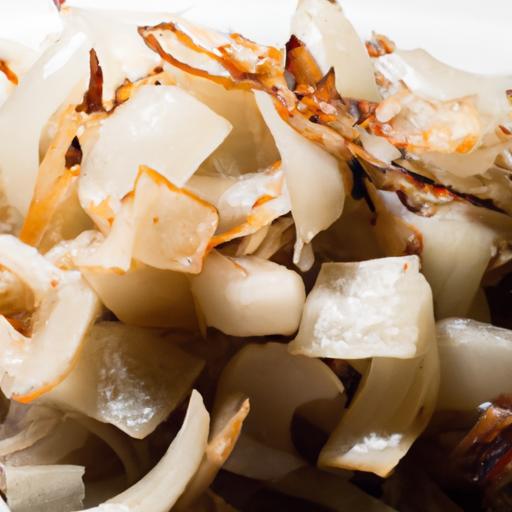
There’s something undeniably magical about caramelized onions-teh way they transform from sharp and pungent bulbs into sweet, golden ribbons of flavor that can elevate any dish. Mastering the art of caramelizing onions is more than just a cooking technique; it’s a culinary rite of passage that blends patience, precision, and a touch of intuition. Whether you’re enhancing a savory stew, layering a gourmet burger, or adding depth to a simple salad, perfectly caramelized onions unlock a world of sweet and savory harmony. In this article, we’ll guide you through the secrets and science behind this slow-cooked alchemy, helping you turn humble onions into a decadent kitchen staple.
Understanding the Science behind Perfect Caramelization
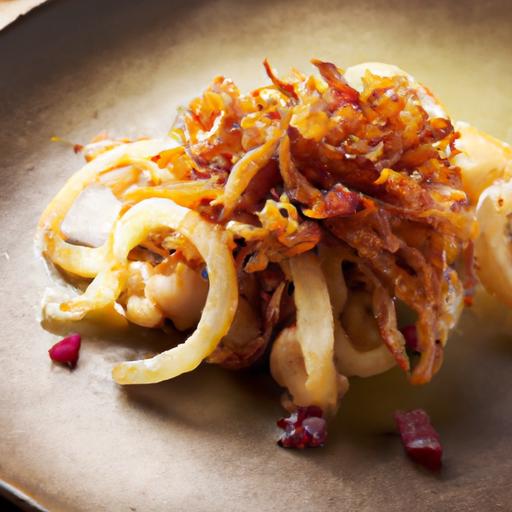
Master the Art of Sweet and Savory Caramelized Onions by unlocking the captivating chemistry behind their irresistible flavor and texture. When onions cook low and slow, their natural sugars undergo a complex Maillard reaction and caramelization process, transforming sharp pungency into a luscious, sweet, and savory depth that elevates any dish. This delicate balance of heat and time draws out rich, aromatic compounds that cannot be rushed, making every bite an enchanting experience.
Choosing the Right Onions and Tools for Flavorful Results
start with yellow onions-their higher sugar content and sturdy texture make them ideal candidates for caramelization, offering the perfect sweet-savory foundation. Alternatively, Vidalia or red onions add subtle color and nuanced flavor twists for creative variations. Select a heavy-bottomed skillet or cast iron pan to ensure even heat distribution-a critical factor for preventing scorching and facilitating perfect browning.A wide pan ensures onions spread evenly, allowing moisture to evaporate gently and sugars to concentrate, bonding with those gorgeous brown edges.
Techniques to Achieve Sweet and Savory Balance in Every Batch
Patience and attention are your best allies. Begin by heating a modest amount of unsalted butter or neutral oil over medium-low heat. Add sliced onions in a single layer and stir frequently to promote even caramelization. Resist the urge to rush by turning up the heat; slow cooking preserves the natural sugars and prevents bitterness. Season lightly with salt early on to draw out moisture but hold off on sweet additions until the onions turn golden. for a deeper savory layer,a pinch of freshly ground black pepper or a sprinkle of smoked paprika can be stirred in toward the end of cooking. Balance sweetness with umami by adding a splash of balsamic vinegar or a touch of honey in the final moments to intensify that luscious glaze.
Creative Recipes That Showcase Caramelized Onions to Their Full Potential
Caramelized onions are culinary chameleons-enhancers of soups, sandwiches, pizzas, and savory tarts. Stir them into creamy mashed potatoes for an elevated side dish or use as a base for rustic French onion soup. Toss with roasted vegetables or blend into a silky sauce to crown grilled chicken or plant-based dishes. Wrap in flaky puff pastry with goat cheese and fresh thyme for an irresistible appetizer. Their golden hue and complex aroma make them not only the heart but also the soul of countless recipes.
Prep and Cook time
- Prep Time: 10 minutes
- Cook Time: 45-60 minutes
Yield
Makes approximately 4 cups of caramelized onions (serves 6-8 as a side or ingredient)
Difficulty Level
Medium: Requires attention to detail and slow cooking patience
Ingredients
- 3 lbs yellow onions, peeled and thinly sliced
- 3 tbsp unsalted butter or neutral cooking oil (such as grapeseed or canola)
- 1 tsp fine sea salt
- ½ tsp freshly ground black pepper
- 1 tbsp balsamic vinegar (optional, for finishing glaze)
- 1 tsp honey (optional, for added sweetness)
Instructions
- Prepare Your Onions: Peel and thinly slice your onions to uniform size, about ⅛ inch thick, ensuring even cooking.
- heat Your Pan: Warm a large, heavy-bottomed skillet over medium-low heat. Add butter or oil and swirl to coat.
- Add Onions and Salt: Add sliced onions and sprinkle with salt to draw out moisture. Stir well to combine.
- Cook Slowly: Cook the onions, stirring every 5 minutes, allowing them to sweat and gradually brown. Adjust heat as needed to avoid burning.
- Monitor Moisture: If onions look dry or start sticking, add a splash of water to loosen them and continue cooking.
- Deepen Flavor: After 45 minutes to 1 hour, onions will turn a rich amber color and become jammy. Stir in pepper, balsamic vinegar, and honey if using, cooking 2-3 more minutes to meld flavors.
- Finish and Cool: Remove from heat and let cool slightly. Use promptly or store in an airtight container in the fridge for up to 5 days.
Tips for Success
- Uniform Slicing: Use a mandoline or sharp knife to ensure consistent slices, which caramelize evenly.
- Heat Control: Low and slow is the mantra. If onions brown too fast, lower the heat and add a teaspoon of water.
- Patience Pays: Rushing caramelization can cause bitterness. Embrace the golden journey; your taste buds will thank you.
- Enhance Depth: Experiment by adding a few sprigs of fresh thyme or a bay leaf during cooking, removing before serving.
- Make Ahead: Caramelized onions freeze beautifully-portion them in small containers for quick, flavor-packed additions anytime.
Serving Suggestions
Use your beautifully caramelized onions as a luxurious layering in gourmet burgers with sharp cheddar or a sprinkle of fresh chives for color contrast. Top a Margherita pizza with caramelized onions, fresh basil, and creamy mozzarella for savory sweetness that sings. For an elegant side, layer them atop roasted root vegetables or swirl into creamy risotto just before serving. Garnish with a drizzle of good quality olive oil and cracked black pepper to elevate the presentation.

| Nutrient | Per ½ cup |
|---|---|
| Calories | 115 |
| Protein | 1.2 g |
| Carbohydrates | 27 g |
| Fat | 4.5 g |
For more inspiration, check our Ultimate Vegan Pizza Guide to learn how caramelized onions transform simple dishes. Dive deeper into the Maillard reaction with this complete resource from Serious Eats, enhancing your culinary knowledge with science-backed insight.
Q&A
Q&A: Master the Art of Sweet and Savory Caramelized Onions
Q1: What makes caramelized onions different from sautéed onions?
A1: Caramelized onions undergo a slow, low-heat cooking process that transforms their natural sugars into a rich, golden-brown sweetness. Unlike sautéed onions, which are cooked quickly and remain crisp or slightly translucent, caramelized onions develop deep, complex flavors with a luscious, melt-in-your-mouth texture that adds depth to any dish.
Q2: How long does it typically take to perfectly caramelize onions?
A2: Patience is the secret to perfect caramelized onions! Generally,it takes about 45 minutes to an hour to achieve that iconic deep amber color and sweet,savory flavor. Rushing the process can lead to burnt onions or missing out on that signature caramelized taste.
Q3: What types of onions work best for caramelizing?
A3: Yellow onions are the classic choice-they have a balanced sweetness that intensifies beautifully when caramelized. Sweet onions, like Vidalias or Wethersfields, also shine with their naturally sugary profiles. Red onions can be caramelized too, offering a colorful twist with a slightly sharper bite that softens deliciously.
Q4: Can I caramelize onions without adding sugar?
A4: Absolutely! Caramelized onions rely on their own natural sugars to achieve sweetness, so added sugar is optional. For an extra-savory twist, a pinch of salt helps draw out moisture and intensifies flavor.However, if you want to nudge the sweetness, a tiny sprinkle of sugar can amplify that caramelized magic.
Q5: What fats are best for caramelizing onions?
A5: Butter lends a rich, creamy depth, while olive oil provides a subtle fruity backdrop. Combining both butter and oil is a popular technique-it combines butter’s flavor with oil’s higher smoke point,preventing burning. Feel free to experiment with avocado or sunflower oil for a different nuance.
Q6: How do I avoid burning my onions during caramelization?
A6: Stick to medium-low heat and stir frequently to prevent sticking or scorching.If edges darken too quickly, lower the heat and add a splash of water or broth to deglaze the pan. This gentle steaming keeps onions moist and helps dissolve those flavorful browned bits into the mix.
Q7: Can caramelized onions be stored, and how long do they last?
A7: Yes! Caramelized onions keep well in an airtight container in the refrigerator for up to a week.They also freeze beautifully-just portion them into freezer-safe bags or containers for up to three months. This makes them a convenient flavor booster for future recipes.
Q8: What are some creative ways to use caramelized onions?
A8: The possibilities are mouthwatering! Use them to elevate grilled vegetable sandwiches, as a topping for creamy mashed potatoes, or folded into savory tarts and flatbreads. They bring a luscious richness to hearty soups and stews, and when mixed into grains like quinoa or barley, they transform simple sides into gourmet delights.
Q9: Can I caramelize onions in an oven or slow cooker?
A9: Yes, alternative methods exist! You can caramelize onions at low heat in the oven (around 300°F/150°C) for about an hour, stirring occasionally for even browning. Slow cookers also work well-set on low for 6 to 8 hours,yielding deeply flavored onions with minimal hands-on time.
Q10: How do I enhance savory notes in caramelized onions without overpowering sweetness?
A10: Adding a splash of balsamic vinegar, a sprinkle of fresh herbs like thyme or rosemary, or a pinch of cracked black pepper toward the end of cooking can introduce savory complexity. These accents balance the natural sweetness and create a harmonious flavor profile that dances between sweet and savory.
Mastering caramelized onions is like unlocking a secret ingredient that adds soulful depth to countless dishes. with patience, the right technique, and a touch of creativity, you’ll enjoy their golden magic every time you cook!
Key Takeaways
As you’ve discovered, mastering the art of sweet and savory caramelized onions is more than just a cooking technique-it’s a transformative journey that turns humble bulbs into golden jewels of flavor. With patience, attention, and a touch of culinary curiosity, you can elevate your dishes from ordinary to extraordinary. Whether stirred into stews, layered on burgers, or crowning a gourmet pizza, these luscious strands of caramelized goodness promise to enrich every bite. So next time you slice an onion, remember: beneath those simple layers lies the potential to create something truly unforgettable. Happy caramelizing!