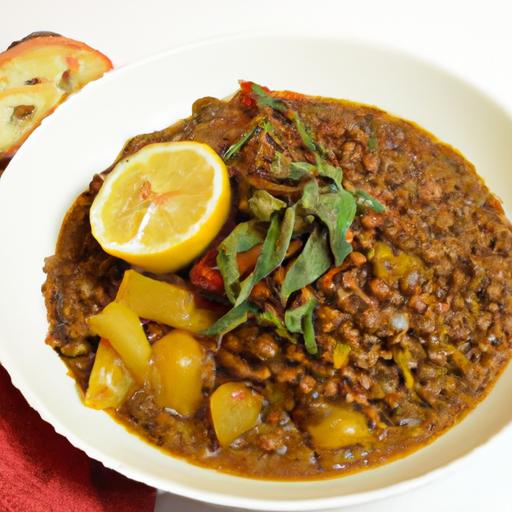

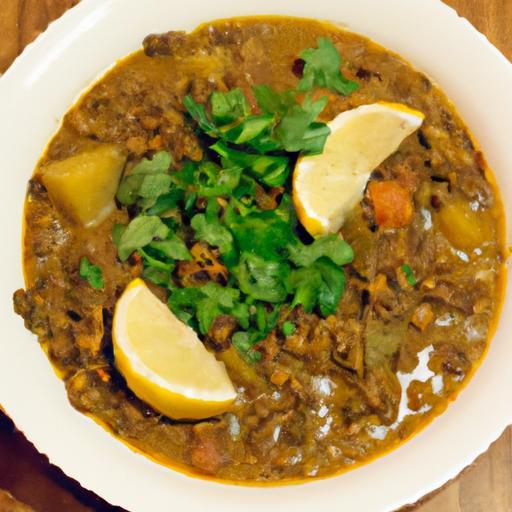
In the vibrant tapestry of Ethiopian cuisine, Misir Wot stands out as a fiery jewel-a lentil stew that warms both the body and soul with every spoonful. Richly spiced and deeply nourishing, this hearty dish combines the humble lentil with a symphony of bold flavors, creating a comforting bowl that tells a story of tradition, culture, and culinary artistry. Join us as we explore Misir Wot, Ethiopia’s beloved spicy comfort food that has traveled from bustling markets and family hearths to tables around the world, inviting all who taste it to experience the warmth of Ethiopian hospitality in every bite.
Misir Wot lentil stew is a heartwarming emblem of Ethiopia’s rich culinary tapestry, where fiery spices meld with humble ingredients to create a dish that comforts the soul. Rooted deep in the traditions of Ethiopian Orthodox fasting culture,this stew features red lentils simmered slowly in a fragrant blend of berbere spice and niter kibbeh,the cherished spiced clarified butter. The result is a vibrant, thick stew that embodies both simplicity and complexity – a perfect marriage of heat, earthiness, and warmth that has captured the hearts of home cooks worldwide.
The Art of Balancing Spices for Authentic Misir Wot Flavour
The signature flavor of this Misir Wot lentil stew comes alive through a meticulous balance of spices and aromatics. The iconic berbere blend-a fiery mix of dried chili peppers, garlic, ginger, coriander, cardamom, and a host of other spices-must be carefully measured to ignite but not overpower. equally critical is the use of niter kibbeh,which introduces a subtle smokiness and richness that mellows the heat. Achieving the perfect toast on the onions - cooking them slowly until caramelized to a deep golden brown – is key to building a layered base flavor that defines this stew.
Prep and Cook Time
- Planning: 15 minutes
- cooking: 45 minutes
- total Time: 1 hour
yield
Serves 4 hearty portions
Difficulty Level
medium – Requires patience and attention to spice layering
Ingredients
- 1 cup red lentils, rinsed well
- 2 cups water or vegetable broth
- 2 large onions, finely chopped
- 3 tablespoons niter kibbeh (Ethiopian spiced clarified butter) or unsalted butter
- 2 tablespoons berbere spice blend (adjust to taste)
- 2 cloves garlic, minced
- 1 tablespoon fresh ginger, minced
- 1 teaspoon tomato paste
- Salt to taste
- Freshly ground black pepper, to taste
- Chopped fresh cilantro or parsley for garnish (optional)
- Injera bread, for serving
Instructions
- Sauté the onions: In a heavy-bottomed pot, melt the niter kibbeh over medium heat. Add the chopped onions and a pinch of salt. Stir frequently and cook slowly for 15-20 minutes until the onions are deeply golden and caramelized, stirring occasionally to prevent burning.
- Add garlic and ginger: Stir in the minced garlic and ginger, cooking for another 2 minutes until fragrant, but not browned.
- Blend in spices and tomato paste: Reduce the heat to low. Add the berbere spice blend and tomato paste, stirring continuously so they toast gently without burning – about 2 minutes. This step unlocks the full aroma and heat of the spices.
- Cook the lentils: Pour in the rinsed red lentils and water or vegetable broth. stir to combine, then bring to a simmer. Lower heat and cover partially, cooking for about 30-40 minutes until the lentils are tender and the stew is thickened, stirring occasionally to avoid sticking.
- Season to taste: Add salt and freshly ground black pepper. Adjust the seasoning and spice level according to your preference.
- Final simmer and rest: Let the stew simmer uncovered for a few more minutes if you want it thicker. Remove from heat and let it rest for 5 minutes before serving.
Tips for Success
- Slow caramelization: Patience with the onions creates the flavorful backbone of this stew. Resist turning up the heat.
- Spice adjustment: Berbere blends vary – start with less and add more for bold heat.
- make-ahead: Misir Wot flavors deepen overnight, making it perfect for meal prep or hosting.
- Vegan version: Use vegan butter or oil instead of niter kibbeh for a plant-based twist.
- Lentil substitution: Red lentils cook fastest and break down nicely; however, brown or yellow lentils may be used – adjust cooking times accordingly.
Serving Suggestions for an Immersive Ethiopian Experience
Traditionally served atop soft, spongy injera bread, Misir Wot lentil stew invites diners to scoop and savor with their hands – a communal gesture that connects you to Ethiopian culture. Garnish with a sprinkle of fresh cilantro or parsley for a vibrant contrast that brightens the rich stew.Pair it alongside other favorites like Doro Wat or lightly sautéed collard greens (gomen) for a full, authentic feast.For a refreshing balance, serve with a side of mild yogurt or cucumber salad.
| Nutrient | Per Serving |
|---|---|
| Calories | 280 |
| Protein | 17 g |
| Carbohydrates | 38 g |
| Fat | 7 g |

Discover more on Ethiopian flavors and stews in our Ethiopian Cuisine Guide. For an in-depth look at customary spices, visit Britannica’s article on Berbere Spice.
Q&A
Q&A: Misir Wot Lentil Stew – Ethiopia’s Spicy Comfort in a Bowl
Q: What is Misir Wot, and why is it so beloved in Ethiopian cuisine?
A: Misir Wot is a traditional Ethiopian lentil stew, deeply aromatic and richly spiced. It’s beloved for its warm, hearty flavors that strike the perfect balance between comforting and fiery. This dish represents the heart of Ethiopian cooking-simple ingredients transformed with vibrant spices and slow simmering into something soul-satisfying.
Q: What are the key ingredients that make misir Wot unique?
A: At its core, Misir Wot features red lentils, onions, garlic, ginger, and the signature Ethiopian spice blend called berbere. Berbere is a complex mixture of chili peppers, garlic, ginger, coriander, fenugreek, and other spices, which gives Misir Wot its intense reddish colour and bold heat. Clarified butter, called niter kibbeh, adds a rich, buttery depth that elevates the stew.
Q: how spicy is Misir Wot, and can it be adjusted?
A: misir Wot is known for its lively heat, but the spice level can be tailored to suit different palates. The star of the stew, berbere, varies in heat intensity depending on the brand or homemade blend used. For milder tastes, you can reduce the amount of berbere or balance it with a touch of mild paprika or extra lentils. for daredevils, adding fresh chili peppers amps up the fire.
Q: What makes lentils the perfect base for this stew?
A: Lentils are nutrient-rich, protein-packed, and absorb flavors beautifully, making them an ideal foundation for a stew like Misir Wot. Their earthy, slightly nutty character complements the bold spices, creating a hearty dish that’s both filling and wholesome. Plus, lentils cook down to a creamy consistency that feels indulgent yet healthy.
Q: How is Misir Wot traditionally served and eaten?
A: Misir Wot is traditionally served atop injera, a soft, spongy Ethiopian flatbread made from teff flour. Diners tear off pieces of injera to scoop up the stew, making the eating experience both communal and hands-on. The sour tang of injera provides a lovely contrast to the rich, spicy lentils, turning each bite into an adventure of flavors and textures.
Q: Can Misir Wot be made vegan or gluten-free?
A: Absolutely! Traditional Misir wot is naturally gluten-free, as it contains no wheat or gluten ingredients. To keep it vegan, simply replace the niter kibbeh (clarified butter) with a plant-based oil or vegan butter substitute. The stew remains just as vibrant and soul-warming without any animal products.
Q: What occasions is Misir Wot typically prepared for in Ethiopia?
A: Misir Wot is a staple at everyday meals but also shines at special gatherings, religious festivals, and family celebrations. Its soulful flavor and satisfying texture make it perfect comfort food during Ethiopia’s cool highland nights. Whether for a casual dinner or a festive feast, it embodies ethiopian hospitality and warmth.
Q: How can someone new to Ethiopian cooking replicate authentic Misir Wot flavors at home?
A: Start with quality ingredients-fresh lentils, plenty of onions, garlic, and most importantly, authentic berbere spice. Slow cooking the stew allows the flavors to meld and deepen.If berbere is hard to find, look for specialty spice shops or make your own blend. Pair your Misir Wot with store-bought or homemade injera for a truly authentic experience.
Q: Why is Misir Wot considered more than just a stew in Ethiopian culture?
A: Misir Wot is not just a meal, but a cultural expression-its preparation and sharing reflect Ethiopian values of community, tradition, and celebration of flavors. The rich layers of spice tell stories passed down through generations, and its presence on the table invites connection, conversation, and comfort.
Q: Can misir wot inspire creative culinary twists?
A: Definitely! While Misir Wot is beautiful in its traditional form, adventurous cooks can experiment by adding vegetables like carrots or spinach, or by using different lentil varieties for texture variations. Some even serve it as a hearty filling for savory pastries or as a vibrant chili garnish, keeping the soul of the stew alive in playful, new ways.
Insights and Conclusions
As the rich aroma of berbere lingers on your palate and the tender lentils melt into a comforting embrace, Misir Wot reveals itself not just as a stew, but as a vibrant story simmered in Ethiopia’s culinary soul. This humble dish, with its fiery warmth and nourishing heart, invites you to experience a tradition where every bite is a celebration of heritage and home. Whether served atop injera or savored alone, Misir Wot is more than food-it’s a spicy comfort in a bowl, promising both sustenance and a taste of Ethiopia’s enduring spirit.