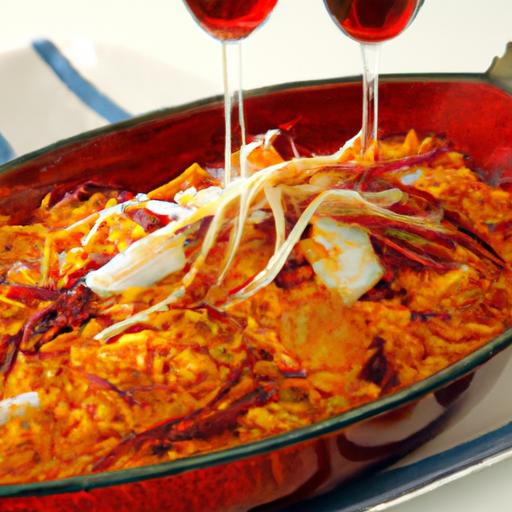

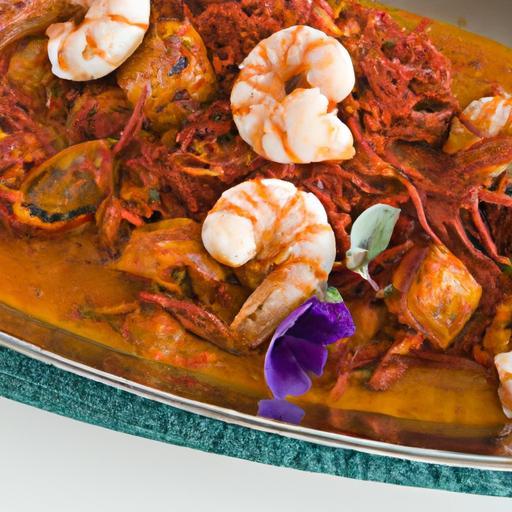
Beneath the golden hues of Spain’s sun-drenched skies lies a culinary treasure that has captured hearts and palates around the world: paella. This saffron-painted delight, with its vibrant tapestry of rice, seafood, meats, and garden-fresh vegetables, is much more than a dish-it is a story steeped in history, culture, and tradition. From the bustling markets of Valencia to family tables sprinkled across the globe, paella embodies the spirit of Spanish life in every fragrant, flavorful bite. Join us as we uncover the origins, secrets, and artistry behind Spain’s iconic masterpiece, and discover why paella continues to be a beloved symbol of festivity and community.
Paella Uncovered: Spain’s iconic saffron-painted delight has long been a symbol of communal gatherings, rustic charm, and culinary artistry that transcends time. Originating from the fertile lands of Valencia, this saffron-infused rice dish captures the essence of Spanish heritage through its vibrant colors, fragrant aromas, and harmonious layers of flavor. As you embark on mastering the art of this timeless classic, prepare to immerse yourself in a culinary journey where tradition meets innovation, and every grain of rice tells a story.
Prep and Cook Time
- Preparation: 20 minutes
- cooking: 45 minutes
- Total: 65 minutes
Yield
- Serves 6 generously
Difficulty Level
- Intermediate
Ingredients
- 2 cups Bomba or short-grain rice
- 1/4 teaspoon saffron threads, soaked in 2 tablespoons warm water
- 4 cups rich chicken or vegetable broth, heated
- 1/4 cup extra virgin olive oil
- 1 medium onion, finely chopped
- 4 cloves garlic, minced
- 1 red bell pepper, thinly sliced
- 1 large ripe tomato, grated (or 1/2 cup canned crushed tomatoes)
- 1 teaspoon smoked paprika
- 1/2 teaspoon sweet paprika
- 1 cup green beans, trimmed
- 1 cup fresh peas
- 12 large shrimp, peeled and deveined
- 12 mussels, cleaned and debearded
- 1 lemon, cut into wedges (for serving)
- Salt and freshly ground black pepper, to taste
- Fresh parsley, chopped (for garnish)
Instructions
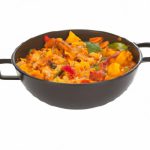
- Prepare the sofrito: Heat olive oil in a customary paella pan over medium heat. Add the chopped onion and sauté until translucent, about 5 minutes. Stir in garlic and cook until fragrant, another 1-2 minutes.
- Add the peppers and tomato: Toss in the sliced red bell pepper and cook for 3 minutes until softened.Stir in the grated tomato and both paprikas, simmering for 5 minutes until the mixture thickens and deepens in color.
- Infuse the saffron: Add the soaked saffron with its water to the sofrito and stir well to release its signature golden hue and aroma.
- Add the rice: Pour the rice evenly across the pan, stirring to coat every grain with the sofrito mixture. Cook 2 minutes to lightly toast the rice.
- Pour warm broth: Slowly add the heated broth, distributing it evenly. Do not stir after this point-this is key for developing the coveted socarrat (crispy bottom crust).
- Add vegetables and season: Nestle green beans and peas gently into the broth. Season with salt and pepper to taste. Simmer uncovered on medium-low heat for 15-20 minutes, rotating the pan occasionally for even cooking.
- Arrange seafood: place shrimp and mussels artfully atop the rice after about 10 minutes of simmering so they cook through without overcooking.
- Final simmer and rest: Once liquid absorption is nearly complete and rice tender, increase heat slightly for 1-2 minutes to develop socarrat. Remove pan from heat, cover with a clean kitchen towel, and let rest for 10 minutes.
- Serve with flair: Garnish with fresh parsley and lemon wedges, inviting diners to squeeze radiant citrus over their paella for that perfect finishing touch.
Chef’s Notes & Tips for success
- Rice selection matters: Traditional Bomba rice absorbs liquid evenly without turning mushy. Arborio rice can be a substitute, but texture differs.
- Saffron extravagance: Soak saffron threads beforehand for full color and aroma; budget saffron wisely as it’s the dish’s soul.
- Broth depth: Use a homemade or quality store-bought chicken or vegetable broth; avoid water for richer flavor.
- No stirring rule: Resist stirring after adding broth to encourage socarrat; this is where magic happens.
- Seafood variations: Swap mussels for clams or add calamari rings; keep seafood fresh and prepped for best results.
- Make ahead: Prepare the sofrito and broth a day ahead to deepen flavors and save time on the cooking day.
- Socarrat perfection: If unsure, listen for gentle crackling sounds-this signals the prized crispy bottom forming.
Serving Suggestions
present your paella unmasked from the pan onto rustic wooden boards or serve straight from the colorful paellera.Accompany this feast with a fresh green salad dressed lightly with sherry vinegar and extra virgin olive oil. A crisp, chilled sparkling water with citrus wedges pairs beautifully, cleansing the palate amidst layers of robust flavors.Garnish generously with lemon wedges and a sprinkling of freshly chopped parsley to brighten the dish visually and aromatically-each plate a radiant celebration of Spain’s rich coastal bounty.

| Nutrient | Per Serving |
|---|---|
| Calories | 420 kcal |
| Protein | 25 g |
| Carbohydrates | 50 g |
| Fat | 12 g |
For more on classic Spanish dishes, check out our guide to traditional Spanish tapas. To deepen your saffron knowledge, explore Britannica’s detailed saffron page.
Q&A
Q&A: Paella Uncovered: Spain’s Iconic Saffron-Painted Delight
Q1: What exactly is paella, and why is it so iconic in Spanish cuisine?
A1: paella is a traditional Spanish rice dish known for its vibrant yellow hue, achieved by saffron threads, and its rich medley of flavors. Originating from the valencia region, it’s much more than just food-it’s a celebration of spain’s agricultural bounty and coastal bounty, embodying the country’s communal spirit and culinary artistry.
Q2: How did saffron become the signature ingredient in paella?
A2: Saffron, often called “red gold,” has been cultivated in spain for centuries. Its unique floral aroma and brilliant golden color perfectly enhance the rice in paella, turning a simple dish into a sensory masterpiece. Saffron’s presence is both a nod to Spain’s Moorish history and a tribute to the land’s fertile soil.
Q3: What are the traditional ingredients found in a classic Valencian paella?
A3: Traditional Valencian paella blends local ingredients like chicken, rabbit, fresh green beans, garrofó (a type of large white bean), tomatoes, and of course, bomba rice. The combination reflects the land’s farm-to-table ethos and the vibrant, rustic flavors of rural spain.
Q4: Can seafood be used in paella, and if so, what kinds are popular?
A4: Absolutely! Seafood paellas are wonderfully popular, especially along Spain’s coastal regions. Ingredients like fresh mussels, clams, shrimp, and squid grace the pan, infusing the dish with the refreshing essence of the sea and creating a briny contrast to the saffron-scented rice.
Q5: How important is the cooking vessel in making an authentic paella?
A5: The traditional paella pan, a wide and shallow metal dish called a paellera, is essential. Its shape allows for even cooking and the formation of the coveted socarrat-the crispy, caramelized layer of rice at the bottom that is nothing short of magical among paella enthusiasts.
Q6: What makes the socarrat so special in a paella?
A6: The socarrat is the prized golden crust formed at the bottom of the pan after the rice cooks.It offers a delicate crunch and a slightly toasted flavor contrast to the tender rice atop. Achieving the perfect socarrat is a point of pride and signifies a well-crafted, authentic paella.
Q7: Is paella a dish best made by professionals, or can home cooks master it too?
A7: While paella does require attention and some practice, it’s very much a dish that home cooks can master! The beauty of paella lies in its versatility and communal spirit-cooking it outdoors over a fire, sharing the meal with family and friends, and experimenting with fresh, seasonal ingredients.
Q8: Beyond Valencia, how has paella evolved across Spain?
A8: Paella has inspired countless regional variations. In Catalonia, you might find it enriched with artichokes; along the Mediterranean coast, seafood reigns supreme; and in inland areas, you might discover creative blends incorporating vegetables, beans, and various local proteins. Each version tells a story of the region’s landscape and cultural influences.
Q9: what tips can you offer to someone eager to make an authentic paella experience at home?
A9: start with quality bomba or similar short-grain rice, invest in saffron (even a pinch makes all the difference), and aim for fresh regional ingredients. Don’t rush the cooking process-allow the rice to absorb the broth fully, and listen for the gentle crackling that signals the socarrat is forming. Most importantly, gather loved ones around-that’s the heart of paella.
Q10: Why does paella remain such a symbol of Spanish identity and hospitality?
A10: Paella is the edible embodiment of Spain’s warmth, diversity, and connection to the land and sea. It’s a dish designed to be shared, encouraging conversation and celebration. Each colorful,saffron-painted plate carries centuries of tradition,making every bite a taste of Spanish culture itself.
Future Outlook
As the final grains of saffron-kissed rice settle on your palate, paella reveals itself not just as a dish but as a vibrant story of Spain’s rich cultural tapestry. From the sun-drenched fields where its key ingredients originate to the communal gatherings that bring it to life, paella embodies tradition, creativity, and a shared joy around the table. Whether enjoyed seaside in Valencia or recreated in your own kitchen,this iconic saffron-painted delight invites you to savor more than a meal-it invites you to taste a slice of Spanish heritage. So next time you encounter a pan steaming with golden rice and briny treasures, remember: paella is more than food; it’s an experience waiting to be uncovered.