
In the sun-drenched heart of Spain, where vibrant colors and rich aromas mingle in bustling markets and seaside villages, one dish reigns supreme as a symbol of culture, community, and culinary artistry: paella. More than just a meal,paella is a tapestry of history and flavor,woven together by generations who have perfected its alchemy of ingredients. From the golden saffron threads that tint its rice to the fresh seafood and tender meats that crown it, this iconic dish tells a story of tradition and innovation. Join us as we unveil the secrets behind paella-a feast that continues to captivate palates worldwide and embodies the soulful spirit of Spain.
The Origins and Evolution of Paella in spanish Culture
Paella unveiled reveals more than just a recipe-it invites you on a journey through Spain’s vibrant culinary history. Originating from the fertile plains of Valencia, this iconic dish was born from humble, rural beginnings where farmers combined locally sourced ingredients in a single pan over an open flame. Traditionally cooked outdoors,paella was a means to feed large groups using simple staples like rice,vegetables,and saffron. Over centuries,it evolved,reflecting Spain’s diverse regions,trade influences,and cultural exchanges,making paella a national symbol of communal festivity and culinary artistry.
What makes paella truly special is its versatility and deep cultural roots, transforming from rustic farmhouse fare into an artful expression of Spanish identity and hospitality. Each saffron-infused grain tells a story of tradition, family, and the Mediterranean’s bounty.
Key Ingredients That Make Paella Irresistibly Authentic
Authentic paella relies on a handful of carefully chosen ingredients that bring harmony and depth of flavor to every bite.At the heart lies the Bomba rice,renowned for its ability to absorb rich broths without losing texture. The bright golden hue from saffron,frequently enough called “red gold,” imparts a subtle earthiness and captivating aroma. Complementing these are the fragrant smoked paprika and the fresh crunch of vegetables like green beans and garrofó beans in Valencian versions.Olive oil, the liquid gold of Spain, injects silkiness, while layers of flavor build from a light sofrito of tomatoes, garlic, and onions.Seafood or chicken join the ensemble depending on the regional variation, always harmonizing to bring out the true soul of the dish.
Mastering the Art of Paella Cooking Techniques
Cooking paella is as much about technique as it is about ingredients. A wide, flat paella pan with sloping sides ensures even heat distribution and the coveted socarrat-the crisp, caramelized rice crust at the bottom. Begin by warming extra virgin olive oil over medium heat,gently sautéing aromatics to create a delicate sofrito. Adding the rice evenly across the pan allows each grain to cook uniformly.Pour in the hot, homemade broth infused with saffron threads, then resist stirring, allowing the rice to absorb liquid steadily.
Timing is crucial; the secret to perfect texture lies in patience and control-initial high heat gives way to simmering without lid or stirring. Once the liquid evaporates, a slight increase in heat caramelizes the base, forming the prized socarrat with a satisfying crackle. Covering the pan with a clean kitchen towel post-cooking lets the flavors marry as the residual heat works its magic before serving.
Top Regional Variations to Savor Across Spain
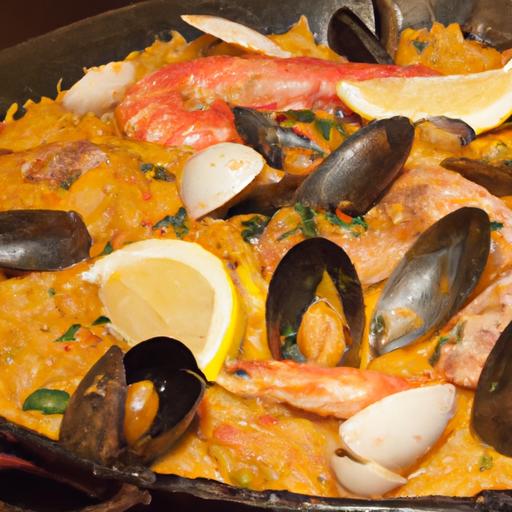
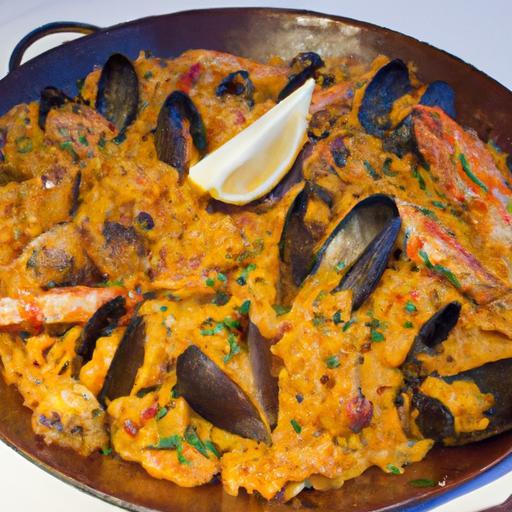
Spain’s mosaiced regions bring signature twists to the paella repertoire. The Valencian Paella is the quintessential classic blending rabbit, chicken, and beans. Along the mediterranean coastline, Paella de Marisco (seafood paella) celebrates ocean treasures-clams, mussels, shrimp, and squid seared succulent and tender. In Catalonia,the dish might incorporate artichokes and a hint of spice.Meanwhile, Madrid-born Arroz Negro captivates with squid ink’s inky allure, giving it a rich, umami flavor and dramatic presentation. No matter the regional style, each variation honors local ingredients and centuries-old culinary wisdom, inviting food lovers to explore Spain one flavorful bite at a time.
Prep and Cook Time
- Planning Time: 20 minutes
- Cooking Time: 50 minutes
- Total Time: 1 hour 10 minutes
Yield
Serves 6 hearty portions
Difficulty Level
Medium – Perfect for adventurous home cooks eager to master customary Spanish cuisine
Ingredients
- 2 cups Bomba rice (or short-grain Spanish rice)
- 4 cups chicken broth, homemade or low-sodium store-bought, kept hot
- 1/2 teaspoon saffron threads, soaked in 2 tablespoons warm broth
- 1/4 cup extra virgin olive oil
- 1 medium onion, finely chopped
- 4 garlic cloves, minced
- 1 large ripe tomato, peeled and grated or finely chopped
- 1 cup green beans, trimmed and cut into 2-inch pieces
- 1 cup garrofó beans or lima beans (fresh or frozen)
- 1/2 teaspoon smoked paprika
- 1/2 teaspoon salt (adjust to taste)
- 1 teaspoon freshly ground black pepper
- 12 raw shrimp, peeled and deveined (optional)
- 6 mussels, cleaned (optional)
- 1 boneless, skinless chicken thigh, cut into chunks
- Fresh parsley for garnish
- Lemon wedges for serving
Instructions
- Prepare the sofrito: Heat olive oil in a wide paella pan over medium heat. Add chopped onion and sauté until translucent,about 5 minutes. Add garlic and cook for another 1 minute until fragrant.
- Add tomato and spices: Stir in the grated tomato, smoked paprika, salt, and pepper.Cook until the mixture thickens and darkens slightly, about 7 minutes, stirring occasionally.
- Sauté chicken and vegetables: Add chicken pieces and cook until lightly browned on all sides, approximately 8 minutes. Toss in green beans and garrofó beans, cooking for 3 minutes more.
- Add rice and saffron broth: Spread the rice evenly over the pan. Pour in the hot chicken broth infused with saffron threads. Shake the pan gently to distribute rice evenly. Do not stir once liquid is added.
- Cook the paella: Increase heat to medium-high until it begins to boil, then reduce to medium-low and simmer gently for 15 minutes. Avoid stirring to allow rice to absorb flavors and develop a crust.
- Add seafood (if using): Nestle shrimp and mussels into the rice about 10 minutes into simmering. Cover open mussels to help them open without drying out the rice.
- Form the socarrat: In the last 5 minutes, increase heat slightly to produce the characteristic bottom crust. You should hear a subtle crackling sound; watch carefully to prevent burning.
- Rest the paella: remove from heat, cover with a clean kitchen towel, and let stand for 5-10 minutes to let flavors meld.
- Garnish and serve: Sprinkle with fresh parsley and serve with lemon wedges for squeezing over the top.
Chef’s Notes and Tips for Success
- Rice choice is key: Bomba or Calasparra rice absorb liquid without becoming mushy-avoid long grain rice for authentic texture.
- Broth matters: Use homemade chicken or seafood broth for rich layers of flavor; keep it hot to ensure even cooking.
- No stirring: Resist the temptation to stir once the broth is added-this is crucial for socarrat development.
- Saffron substitutes: While saffron is traditional, a pinch of turmeric can add color but lacks its subtle aroma.
- Make-ahead: Prepare the sofrito base a day prior and refrigerate in an airtight container to save time on cooking day.
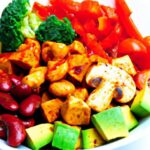
- vegetarian variation: Replace meat and seafood with artichokes, roasted peppers, and mushrooms for an equally vibrant paella.
Serving Suggestions
Paella is best enjoyed fresh and shared. Present the pan at the table to showcase its colorful medley of ingredients and inviting socarrat crust. Accompany with a simple green salad dressed in sherry vinegar and crusty bread. Garnish each serving with a lemon wedge to brighten the savory richness and sprinkle freshly chopped parsley to add vibrancy. Traditional Spanish gazpacho pairs beautifully as a light starter.
| Nutrient | Per Serving |
|---|---|
| Calories | 450 kcal |
| Protein | 30 g |
| Carbohydrates | 45 g |
| Fat | 12 g |

Discover more about Spain’s culinary heritage from trusted sources like Spain Tourism – Paella to deepen your appreciation for this iconic dish.
Q&A
Q&A: Paella Unveiled – Spain’s Iconic Dish of Flavor and Tradition
Q: What is paella,and why is it considered a symbol of Spanish cuisine?
A: Paella is a vibrant,saffron-infused rice dish that originated in the Valencia region of Spain. It is indeed more than just a meal – it’s a cultural emblem that embodies the country’s rich history, regional pride, and communal spirit.Through its colorful presentation and blend of carefully selected ingredients, paella tells a story of tradition passed down through generations.
Q: what are the essential ingredients that make an authentic paella?
A: At its core, authentic paella relies on bomba or calasparra rice, prized for its ability to absorb flavors while maintaining a firm texture. Key components include saffron, which gives the dish its signature golden hue; fresh vegetables like tomatoes, green beans, and bell peppers; and proteins that vary by tradition, often including chicken, rabbit, or seafood such as shrimp, mussels, and calamari. Olive oil and smoky paprika add depth, while garlic and onions provide aromatic foundations.
Q: how does the cooking method contribute to the unique texture and flavor of paella?
A: The magic of paella lies in its preparation, traditionally cooked over an open flame or wood fire in a wide, shallow pan called a “paellera.” This method ensures even heat distribution,allowing the rice to cook uniformly and develop a prized caramelized crust on the bottom called socarrat. The socarrat adds a toasty, slightly crunchy texture and an earthy flavor that is essential to the dish’s character.
Q: Are there different types of paella across Spain?
A: Absolutely! While Valencian paella is the classic, there are many regional variations that celebrate local ingredients. seafood paella from coastal areas brims with fresh fish and shellfish, capturing the essence of the Mediterranean. there’s also paella negra made with squid ink, and vegetable-focused versions for those seeking plant-based options. Each rendition reflects the unique geography, climate, and culinary traditions of its birthplace.Q: What cultural importance does paella hold in Spanish society?
A: Paella is deeply woven into Spain’s social fabric – it’s more than food, it’s an occasion. Traditionally cooked outdoors during festivals and family gatherings, it fosters connection, sharing, and celebration.The process of making paella invites participation and conversation,transforming a meal into a communal event that honors hospitality and warmth.
Q: How can home cooks recreate the authentic paella experience?
A: To capture authentic paella at home,start with quality ingredients and patience. Use a wide, heavy-bottomed pan to mimic the original paellera. Allow the rice to cook without stirring, so the flavorful socarrat can form. Layer ingredients thoughtfully, and don’t rush the simmer – gentle heat coaxed flavors into harmony. Embrace the social aspect by inviting friends or family to share the experience,as paella,above all,nourishes both body and soul.
Q: what role does saffron play in paella, and can it be substituted?
A: Saffron is the heart of paella’s aromatic and visual identity. Its subtle floral notes and brilliant golden color elevate the dish from simple rice and protein to a culinary masterpiece. While saffron can be pricey, it’s difficult to replicate its unique flavor authenticly. Some cooks may experiment with turmeric for color, but saffron’s delicate taste remains unmatched, making it worth the investment for true paella connoisseurs.
Q: Can paella be enjoyed as a vegetarian dish?
A: Definitely! Vegetarian paellas celebrate the bounty of spain’s fresh produce with an array of seasonal vegetables like artichokes, green beans, bell peppers, peas, and tomatoes. Using rich vegetable broth and layering with smoked paprika or roasted red peppers adds depth and complexity, ensuring that the vegetarian variant remains just as flavorful and satisfying as its meat or seafood counterparts.
Q: What are the common misconceptions about paella outside Spain?
A: One common myth is that paella always contains seafood or chicken-it doesn’t. Traditional Valencian paella features rabbit and sometimes snails alongside chicken, but there’s tremendous regional variation. Another misconception is that it’s a quick stir-fry; in reality, paella requires careful timing and technique to create layers of flavor and the iconic socarrat. Lastly,it’s frequently enough mistaken for a one-pot dish with lots of liquid,but true paella is neither soupy nor risotto-like; it’s perfectly cooked,dry,and each grain distinct.
Q: How does paella embody the essence of Spanish culinary values?
A: paella perfectly captures Spanish culinary ideals – simplicity melded with quality, respect for seasonal ingredients, and the celebration of shared meals. It balances rustic roots with refined technique, showing that great food nourishes not only the body but also community and tradition.Through each colorful, fragrant bite, paella reveals Spain’s passion for living and eating well.
Future Outlook
As the golden hues of saffron-infused rice settle onto your plate, and the medley of fresh seafood, tender meats, and vibrant vegetables mingle in every bite, paella emerges not just as a dish, but as a vivid tapestry of Spanish heritage. it is a culinary celebration where tradition meets flavor, family gathers around the pan, and every simmering pot tells a story of coastal breezes, festive gatherings, and timeless craftsmanship. To savor paella is to taste the heart of Spain itself-an experience that transcends the table and invites you into a warm embrace of culture, history, and communal joy. So next time you hear the sizzle of that iconic pan, remember: you’re not just enjoying a meal-you’re partaking in a centuries-old celebration of life, one delicious spoonful at a time.