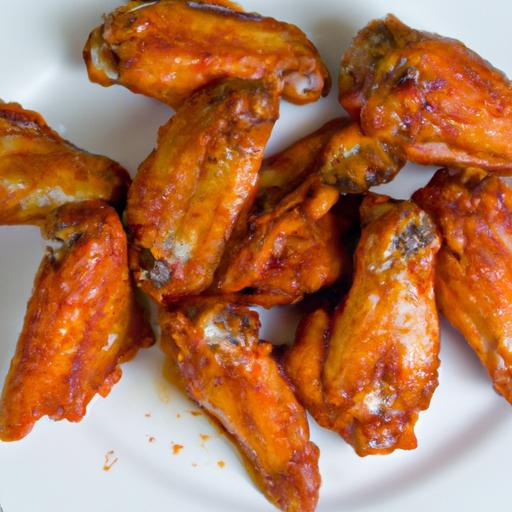

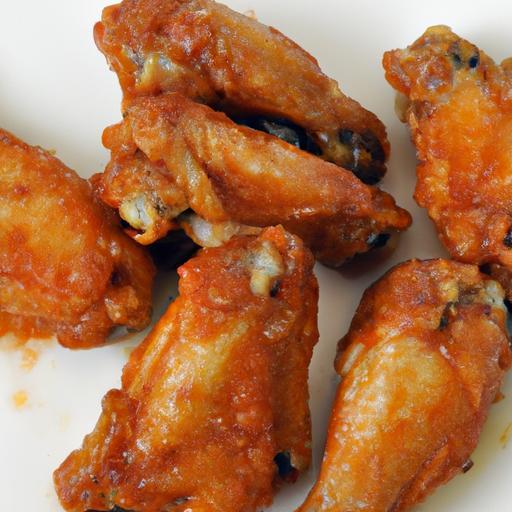
There’s something undeniably magical about biting into a perfectly cooked chicken wing-crispy on the outside, juicy and tender on the inside, with just the right balance of flavor and texture.but achieving that ideal wing can often feel like a culinary quest, a delicate dance of heat and timing that separates the amateurs from the true wing connoisseurs. In this article, we’ll unlock the secrets behind mastering the perfect temperature to cook chicken wings, transforming a simple snack into a mouthwatering masterpiece. Whether you’re grilling, baking, or frying, understanding how temperature influences every bite is the key to elevating your wings from good to unforgettable. Get ready to turn up the heat and take your wing game to delicious new heights!
Perfectly cooked chicken wings hinge on a delicate balance of temperature and technique, where science meets savory satisfaction. Achieving that ideal juicy tenderness with irresistibly crispy skin requires understanding how heat transforms the texture and flavor. By mastering temperature control, you unlock wings that are both safe to eat and utterly drool-worthy-bringing a restaurant-quality finish right to your kitchen.
Prep and Cook Time
- Readiness: 15 minutes
- Cooking: 35-40 minutes
- Total Time: 50-55 minutes
yield
Serves 4 hungry wing lovers (about 16-20 wings)
Difficulty Level
Medium – Perfect for home cooks ready to level up their wing game with temperature precision
Ingredients
- 2 lbs chicken wings, separated into flats and drumettes
- 1 tbsp baking powder (aluminum-free) to crisp skin
- 1 tsp kosher salt
- ½ tsp black pepper, freshly cracked
- 1 tsp garlic powder
- ½ tsp smoked paprika for subtle smoky warmth
- 2 tbsp olive oil or melted butter
- Your favorite wing sauce (e.g., buffalo, honey garlic, BBQ)
Instructions
- Pat the wings dry with paper towels to remove excess moisture-this step is crucial to achieving crisp skin.
- In a large bowl, toss wings with baking powder, salt, pepper, garlic powder, and smoked paprika. The baking powder raises the skin’s pH, accelerating browning and crispness.
- Lightly coat wings with olive oil or melted butter to promote even browning and flavor infusion.
- preheat your oven to 425°F (218°C) and position a wire rack on a baking sheet to ensure hot air circulates under the wings for uniform crisping.
- Arrange wings evenly on the rack, making sure they don’t touch; overcrowding traps steam and ruins crispness.
- Bake wings for 25-30 minutes, turning halfway to crisp both sides. Use a reliable instant-read thermometer to monitor the internal temperature-aim for 165°F (74°C) to guarantee safe consumption without drying.
- Optional broil for 2-3 minutes at the end if you desire extra crunch but watch closely to prevent burning.
- Toss wings in your chosen sauce while hot for perfect coating, or serve sauce on the side to keep skin crispy.
Tips for Success
- Choose baking powder, not baking soda. Aluminum-free baking powder enhances crispiness without imparting a metallic taste.
- Monitor temperature precisely. use a digital meat thermometer inserted into thickest part to confirm 165°F (74°C); this ensures pasteurization without dryness.
- Experiment with cooking methods. Air frying accelerates crisping, while sous vide followed by searing guarantees ultra-tender wings with perfect skin.
- Don’t skip the drying step. Wet skin steams, never crisps-pat thoroughly.
- Make ahead: Prepare wings with seasoning and baking powder, refrigerate uncovered overnight to dry skin further for extra crunch.
Serving Suggestions
Present wings piled high on a rustic wooden platter lined with parchment paper. Garnish with freshly chopped parsley or cilantro, lime wedges, and crunchy celery sticks. A bowl of creamy blue cheese or cooling ranch dressing offers the perfect dip to balance smoky heat or tangy sauces.For a bold statement, sprinkle coarse sea salt and crack black pepper over the finished wings before serving.

| Nutrient | Per Serving (5 wings) |
|---|---|
| Calories | 280 kcal |
| Protein | 22 g |
| Carbohydrates | 2 g |
| Fat | 20 g |
For those interested in exploring more advanced temperature techniques, check out our Complete Air Fryer Chicken Wings Guide. Understanding the science behind heat greatly enhances every cook’s confidence and results. For food safety standards, refer to the USDA’s official guidelines on safe chicken cooking temperatures here.
Q&A
Q&A: Perfectly Cooked Chicken wings – Mastering the Ideal Temperature
Q1: Why is temperature so vital when cooking chicken wings?
A1: Temperature is the secret ingredient that transforms a good wing into a grate one. Cook them too low, and you risk undercooked, rubbery meat; go too high, and you end up with burnt, dry wings. The ideal temperature ensures juicy, tender meat with crispy, golden skin-wing perfection on every bite.
Q2: What is the ideal internal temperature for perfectly cooked chicken wings?
A2: The magic number is 165°F (74°C). This is the safe internal temperature recommended by food safety experts to kill harmful bacteria while keeping the meat moist and flavorful. use a reliable meat thermometer to hit this sweet spot every time.Q3: Should I cook chicken wings at a high or low oven temperature?
A3: It’s all about balance. Start low and slow for tender meat, around 275-300°F (135-150°C), then finish at a higher temperature-about 425°F (220°C)-to crisp up the skin. This two-step method guarantees wings that are juicy inside and delightfully crispy outside.
Q4: Can I grill chicken wings the same way?
A4: Absolutely! grilling adds that smoky charm. Maintain indirect heat around 300°F (150°C) to cook wings through, then move them over direct high heat for a few minutes to char and crisp. Keep an eye on them to avoid flare-ups and burnt spots.
Q5: How long should I cook wings to reach the perfect temperature?
A5: Cooking time varies with method and wing size,but generally,oven-baked wings at 350°F (175°C) take about 35-45 minutes. Always rely on your meat thermometer rather than a timer-the internal temperature is your best guide to wing nirvana.
Q6: Does resting the wings after cooking matter?
A6: yes! Resting for 5 minutes allows juices to redistribute, making each bite juicy and succulent. Plus, the residual heat slightly boosts the internal temperature, ensuring any lingering bacteria are taken care of.
Q7: Any pro tips for the crispiest, juiciest wings?
A7: Dry the wings thoroughly before seasoning-they crisp better without excess moisture. Consider a brief brine or marinade to add flavor and lock in moisture. don’t crowd the pan or grill; ample space lets hot air circulate, crisping the skin evenly.
Q8: How do I know when I’ve nailed the perfect temperature without a thermometer?
A8: Though a thermometer is best, you can check by piercing the thickest part-juices should run clear, not pink. The meat should be firm but springy. And of course, irresistible crispy skin is a delicious hint you’re on track.
Mastering the ideal temperature is your golden ticket to wings that are juicy, safe, and mouthwateringly crispy every time. Now, get cooking and elevate your wing game to legendary status!
Future Outlook
Mastering the ideal temperature for perfectly cooked chicken wings transforms a simple snack into a culinary triumph. With each precise degree, you unlock juicy tenderness wrapped in irresistibly crispy skin-a harmony of textures that delight the palate.Whether you’re grilling, baking, or frying, understanding the science behind temperature lets you take control, ensuring every batch emerges flawless. So next time you crave wings,remember: it’s not just about cooking-it’s about crafting an experience where heat and flavor unite in perfect harmony. Your taste buds will thank you.