
There’s something undeniably captivating about tartare-a dish that celebrates the pure,unadulterated essence of its ingredients with every bite.Traditionally anchored by beef, this timeless classic has gracefully evolved across culinary landscapes, inviting innovation and fresh interpretations. Enter salmon tartare: a vibrant, ocean-kissed reinvention that melds the delicate texture of raw salmon with zesty herbs, citrus bursts, and subtle spices. In this article, we’ll dive into the art of crafting salmon tartare, uncovering how this fresh twist not only honors tradition but also elevates it to new, flavorful heights. Whether you’re a seasoned foodie or a curious cook, prepare to discover why salmon tartare is making waves as the ultimate sophisticated yet approachable appetizer.
Understanding the origins and Evolution of Salmon tartare
Salmon Tartare offers a fresh twist that has enchanted palates around the world, marrying ancient culinary traditions with contemporary flavors. Rooted in the art of finely chopping raw fish to create a harmonious blend of texture and taste, tartare’s origins trace back centuries, initially gaining fame through beef tartare served by nomadic tribes and European kitchens. Salmon tartare is a modern evolution, highlighting the silky texture and vibrant hue of fresh salmon-transforming this classic technique into a light, elegant dish perfect for any occasion.
This dish shines with its ability to adapt and absorb global influences, from Asian-inspired accents like yuzu and sesame to Mediterranean herbs such as dill and lemon zest. As a culinary content creator,I’ve loved exploring how these flavors create layers of freshness that awaken the senses. Salmon tartare is not just a dish; it’s an experience that celebrates the purity and finesse of raw seafood prepared with love and precision.
Selecting the Freshest Salmon for Optimal Flavor and Texture
Choosing premium salmon is the foundation for a stunning tartare. Always look for sashimi-grade salmon, ideally wild-caught for a richer flavor profile and better texture. The flesh should be luminous,glossy,and firm to the touch-any dullness or excessive softness signals it’s past its prime. When buying salmon for tartare, freshness directly correlates with taste and mouthfeel.
Buy from a trusted fishmonger or reputable market and ask for recommendations on the freshest cut available. Keep the fish chilled on ice and prepare it as soon as possible for maximum vibrancy. When ready to use,a sharp knife is your best ally to make clean,uniform dices that elevate the dish visually and texturally.
Crafting the Perfect Balance of Ingredients for a Vibrant Taste
The magic of salmon tartare lies in the balance-a symphony of bright citrus, aromatic herbs, mild spice, and umami richness that complements but never overpowers the fish.Think of fresh lemon juice or lime zest to brighten, alongside finely minced shallots or scallions for subtle bite. A hint of capers or cornichons contributes delightful crunch and acidity, while fresh herbs like dill, chives, or cilantro introduce nuanced green notes.
A dash of good quality extra virgin olive oil or a touch of sesame oil can round out the texture, adding silkiness without heaviness. For seasoning, simple sea salt and freshly cracked black pepper are key; optionally, a subtle touch of chili flakes or ginger powder can awaken the palate.the goal is a harmonious ensemble that highlights salmon’s naturally buttery taste while delivering a vibrant sensory experience.
Presentation Tips to Elevate Your Salmon Tartare Experience
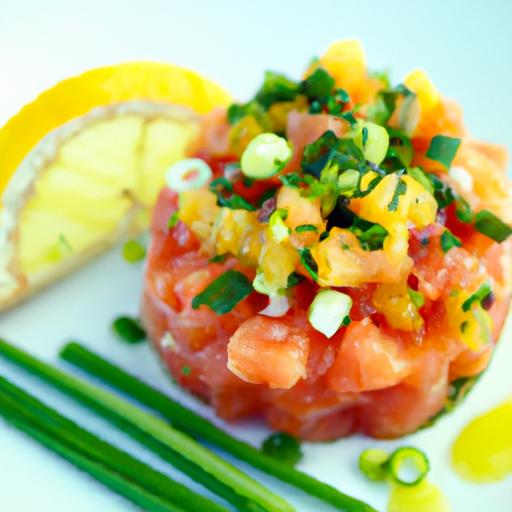
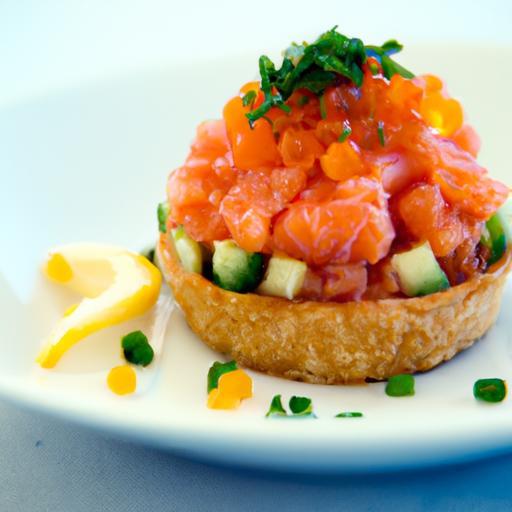
Visual appeal is paramount in elevating the salmon tartare experience. Presentation transforms the dish from simple to stunning, engaging your guests before the first bite. Serve your tartare using a circular mold or ring to create a neat, compact tower on the plate.
Garnish with microgreens,edible flowers,or a sprinkle of toasted sesame seeds for bursts of color and texture. Thin slices of cucumber or avocado, arranged like delicate petals around the tartare, add freshness and elegance. complement with crispy crostini or delicate rice crackers for contrast.
Consider plating on clean white dishes to accentuate the vivid pink hues of the salmon. A small drizzle of herb oil or dots of avocado purée can add artistic flair. Lighting also plays a role-soft ambient light highlights the freshness and gloss of the fish beautifully, inviting diners to indulge.
Prep and Cook Time
- Prep Time: 20 minutes
- Cook Time: 0 minutes (no cooking required)
yield
Serves 4 as an elegant appetizer
Difficulty Level
Easy to Medium – requires knife skills and attention to freshness
Ingredients
- 12 oz sashimi-grade salmon, skin removed and finely diced
- 1 tablespoon finely minced shallots
- 1 teaspoon capers, rinsed and chopped
- 1 tablespoon finely chopped fresh dill
- 1 tablespoon fresh lemon juice (about half a lemon)
- 1 teaspoon lemon zest
- 1 teaspoon extra virgin olive oil
- Salt and freshly cracked black pepper, to taste
- Optional: 1 teaspoon toasted sesame oil, 1 small red chili finely diced, microgreens for garnish
Instructions
- Prepare the salmon: using a vrey sharp knife, finely dice the salmon into uniform small cubes, about ¼ inch to ensure even texture.
- Mix aromatics: In a chilled bowl, combine minced shallots, capers, fresh dill, lemon zest, and chili if using. Stir gently to blend.
- Add salmon: Fold the diced salmon into the mixture carefully to avoid mashing the fish.
- Flavor and season: Drizzle the lemon juice, olive oil, and sesame oil (if using) over the salmon mixture.Season with salt and pepper, adjusting to taste.
- Rest: cover and refrigerate for 10-15 minutes to allow flavors to marry.
- Plate elegantly: Using a ring mold, gently press the tartare into shape on chilled serving plates. Remove the mold carefully to maintain form.
- Garnish: Top with microgreens, edible flowers, or a light sprinkle of toasted sesame seeds. Serve immediately with fresh crostini or crackers.
Tips for Success
- Always use the freshest salmon available, preferably sashimi-grade, and keep it cold until preparation.
- If you prefer a smoother texture, pulse the salmon gently in a food processor, but avoid over-processing to retain bite.
- Feel free to experiment with citrus-yuzu juice or grapefruit zest work beautifully as alternatives to lemon.
- Make tartare just before serving to preserve its fresh texture and vibrant color.
- For a gluten-free option, substitute crackers with cucumber rounds or baked vegetable chips.
Serving Suggestions
present salmon tartare as a show-stopping starter on a long white platter adorned with thin cucumber ribbons and edible flowers. Pair with chilled sparkling water or light herbal tea to refresh the palate. A side of avocado slices and a drizzle of herb-infused oil balances the dish perfectly. This elegant appetizer is also fantastic served in individual shot glasses for parties, topped with a small spoonful of ikura (salmon roe) for a luxurious touch.
| Nutrient | Per Serving |
|---|---|
| Calories | 210 kcal |
| Protein | 22 g |
| Carbohydrates | 3 g |
| Fat | 12 g |
For more fresh seafood inspirations, check out our Fresh Seafood Salad recipe.
Learn more about selecting quality seafood from the FDA Seafood Advice.

Q&A
Q&A: Salmon Tartare – A Fresh Twist on a Timeless Classic
Q: What exactly is salmon tartare?
A: Salmon tartare is a dish made from finely chopped, high-quality raw salmon mixed with vibrant, complementary ingredients. It’s celebrated for its delicate texture and rich,buttery flavor,offering a fresh and elegant appetizer that’s both simple and sophisticated.
Q: How does salmon tartare differ from other raw fish dishes like sashimi or ceviche?
A: Unlike sashimi, which features thick, clean slices of raw fish, salmon tartare is finely diced and combined with a medley of ingredients to create a harmonious blend of flavors and textures. Unlike ceviche, where the fish is “cooked” in citrus juice, the salmon in tartare is served entirely raw, preserving its silky mouthfeel.
Q: What are the key ingredients that bring salmon tartare to life?
A: The foundation is top-quality fresh salmon, finely diced to ensure tenderness. Fresh herbs like dill or chives, zesty citrus juice, a touch of tangy mustard or mayo, crunchy capers or shallots, and a drizzle of olive oil typically join the mix, balancing richness with brightness and texture.
Q: Can salmon tartare be prepared ahead of time?
A: Because raw fish is delicate and perishable, it’s best to prepare salmon tartare shortly before serving to maintain freshness and texture. However,prepping the accompanying components,such as chopping herbs or mixing a dressing,can save time.
Q: What makes salmon an ideal fish for tartare?
A: Salmon’s naturally buttery flavor and firm yet tender texture make it a perfect candidate for raw preparations. Its high fat content gives the tartare a luscious mouthfeel, while its mild taste allows the supporting ingredients to shine without being overshadowed.
Q: How can one ensure the salmon used is safe for raw consumption?
A: Always purchase sushi-grade or sashimi-grade salmon from a reputable fishmonger. Look for fish that is brilliantly colored, smells fresh like the ocean without fishy odors, and has firm flesh. Proper refrigeration and handling are crucial to ensure safety.
Q: What are some creative ways to serve salmon tartare?
A: Salmon tartare can be beautifully plated atop crisp cucumber slices, creamy avocado purée, or crunchy crostini. It also pairs wonderfully with a side of mixed greens or as a luxurious filling in delicate rice paper rolls for a modern twist.
Q: Are there any dietary considerations to keep in mind with salmon tartare?
A: Salmon tartare is naturally gluten-free and rich in omega-3 fatty acids, making it a heart-healthy and protein-packed option. However, since it contains raw fish, it’s not recommended for pregnant individuals or those with compromised immune systems.
Q: How can someone put a personal spin on the traditional salmon tartare recipe?
A: Experimenting with different herbs, such as tarragon or cilantro, adding a hint of spice with chili flakes or fresh ginger, or incorporating unique textures like crunchy toasted seeds can elevate the dish. Even swapping citrus types-from lemon to yuzu-adds exciting aromatic notes.
Q: What makes salmon tartare a “timeless classic” with a modern twist?
A: Salmon tartare honors centuries-old traditions of raw fish preparations while embracing contemporary flavor combinations and presentation styles. Its adaptable nature invites innovation, turning a simple plate of raw fish into an artful expression of freshness and culinary creativity.
To Wrap it Up
Bringing together the delicate richness of fresh salmon with zesty citrus and bright herbs,salmon tartare offers a refreshing reinterpretation of a beloved classic. Whether you’re a seasoned foodie or a kitchen adventurer, this dish invites you to savor simplicity elevated by thoughtful ingredients and technique. So next time you crave something light yet luxurious, consider salmon tartare-not just as an appetizer, but as a culinary experience that celebrates freshness in every bite. Rediscover tradition with a modern twist, and let your palate embark on this vibrant journey.