
There’s a bowl of magic steaming gently on the table-a delicate symphony of fragrant broth, tender noodles, fresh herbs, and succulent slices of meat.Vietnamese pho is more than just a dish; it’s an immersive experience that awakens the senses and tells a story of tradition, culture, and craftsmanship in every spoonful.Join us as we savor the essence of Vietnamese pho bowls, tracing the rich flavors and time-honored techniques that make this beloved noodle soup a true culinary journey worth exploring.
Savor the Essence of Vietnamese Pho Bowls: A Flavor journey begins with the soul-stirring, umami-packed broth that defines this iconic Vietnamese dish. Pho is more than just a noodle soup; it’s a fragrant symphony of carefully balanced aromatics, slow-simmered beef bones, and vibrant herbs that transport your senses straight to the bustling streets of Hanoi and Saigon. Creating this masterpiece at home unlocks a profound understanding of flavor layering and cultural heritage, perfect for anyone eager to explore authentic Vietnamese cuisine with confidence and creativity.
Prep and Cook Time
- Planning: 30 minutes
- Cooking: 6 hours (slow simmer for broth depth)
- Total: 6 hours 30 minutes
Yield
Serves 6 hearty bowls
Difficulty Level
Medium: Requires patience and attention to detail, but highly rewarding.
Ingredients
- 4 lbs beef marrow bones, cleaned and blanched
- 1 large yellow onion, halved
- 1 4-inch piece of fresh ginger, halved lengthwise
- 5 star anise pods
- 3 whole cloves
- 2 cinnamon sticks, broken into pieces
- 1 tablespoon coriander seeds
- 2 whole cardamom pods
- 1 tablespoon sea salt
- 1 tablespoon rock sugar or substitute with granulated sugar
- 8 quarts cold water
- 1 lb beef brisket or shank, optional for added meat
- 12 oz dried flat rice noodles (Bánh phở)
- fresh Thai basil, cilantro, and culantro
- bean sprouts, washed and trimmed
- Thinly sliced green onions
- Sliced fresh chilies
- Lime wedges
- Hoisin sauce and Sriracha for dipping and garnishing
Instructions
- Prepare the bones: Place beef marrow bones in a large stockpot and cover with cold water. Bring to a rolling boil. Boil for 15 minutes, skimming foam and impurities continuously. Drain and rinse bones under cold water to remove residue.
- Char aromatics: Using tongs or a grill pan, char the halved onion and ginger until deeply browned and fragrant, about 5-7 minutes per side. This step adds crucial smoky depth.
- Toast spices: In a dry skillet, toast star anise, cloves, cinnamon sticks, coriander seeds, and cardamom pods over medium heat until aromatic (~2-3 minutes). Place toasted spices in a spice infuser or wrap in cheesecloth.
- Simmer the broth: Return cleaned bones to the stockpot. Add charred onion, ginger, toasted spices, sea salt, rock sugar, and 8 quarts of cold water.Slowly bring to a gentle simmer over medium-low heat. avoid boiling to keep broth clear. Skim foam every 30 minutes.
- Add meat: After 1.5 hours, add the beef brisket or shank if using. Simmer an additional 3.5-4 hours until meat is tender and bones release rich gelatin.
- Final clarity: Turn off heat and strain broth through a fine mesh sieve lined with cheesecloth into a clean pot. Discard solids. Taste and adjust salt or sugar if needed. Keep warm.
- Prepare noodles: Soak dried rice noodles in warm water for 20-30 minutes or follow package instructions. just before serving, blanch noodles in boiling water 20-30 seconds until tender but firm. Drain well.
- Assemble bowls: Place noodles in individual serving bowls. Thinly slice the cooked brisket/shank and layer on top. Ladle steaming hot broth over noodles and meat.
- Serve with fresh herbs and condiments: Top with Thai basil, cilantro, culantro, bean sprouts, green onions, chilies, and lime wedges. Offer hoisin and Sriracha for personalization.
Tips for Success
- Keep the broth clear: Avoid rapid boiling and skim constantly. Use a ladle, not a spoon, to gently remove impurities.
- Char aromatics well: Don’t rush charring onion and ginger; it imparts an unforgettable smoky sweetness essential for authenticity.
- Customize your toppings: Modern pho toppings can include sliced rare beef (tai), tripe, or tendon-but always avoid pork products.
- Make-ahead broth: pho broth freezes beautifully. Store in airtight containers for up to 3 months to enjoy anytime.
- Noodle care: Handle rice noodles gently to avoid breakage. Rinse quickly with cold water after soaking if not cooking immediately to prevent sticking.
Serving Suggestions
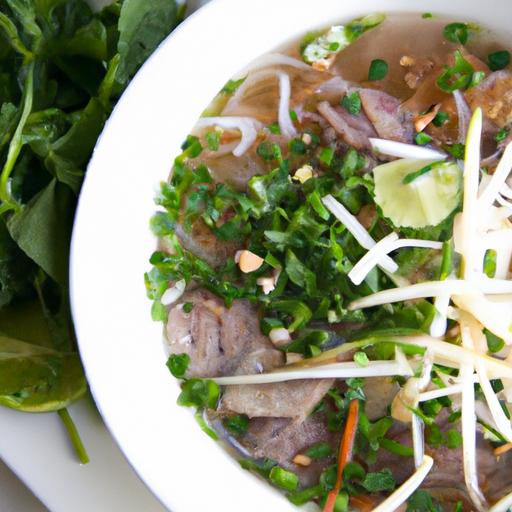
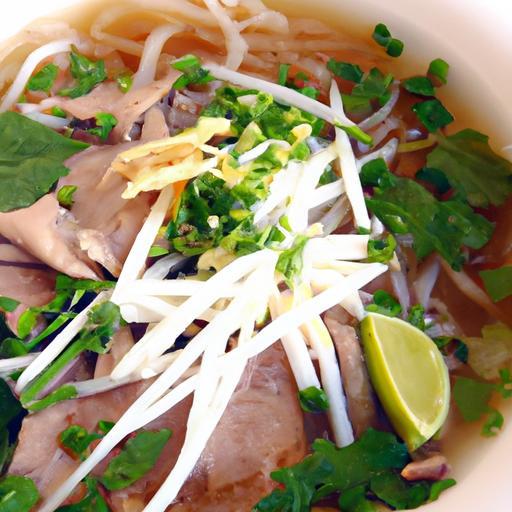
Present your pho with a vibrant platter of Vietnamese herbs-fresh Thai basil, fragrant cilantro, and prickly culantro-alongside crisp bean sprouts and sliced green chilies. Encourage guests to squeeze fresh lime for brightness and adjust hoisin or Sriracha per their spice preference. Serve with chopsticks and a deep ceramic bowl to cradle the broth perfectly. The visual contrast of tender meat, gleaming broth, and lush herbs creates an inviting scene that’s as satisfying to behold as it is to savor.
| Nutrient | Per Serving |
|---|---|
| Calories | 420 kcal |
| Protein | 28 g |
| Carbohydrates | 45 g |
| Fat | 7 g |

Exploring Traditional and Modern Pho Toppings for a Perfect Bowl
Traditional pho toppings focus on simplicity: thinly sliced beef brisket or shank, fresh herbs, and aromatic spices in the broth. Modern takes introduced rare beef (tai), brisket, beef meatballs, and even chicken for variety. The key is balancing textures-tender meat, crunchy bean sprouts, and crisp herbs-to complement the umami broth. Popular garnishes like thinly sliced white onion soaked in vinegar can add gentle sharpness, while a dash of freshly ground black pepper enhances aroma.
Pairing Pho with Authentic Vietnamese Herbs and Condiments
No bowl of pho is complete without the vibrant support of fresh herbs. Thai basil brings a licorice-like fragrance, while cilantro and culantro add brightness and depth. Bean sprouts introduce satisfying crunch and freshness. Squeeze lime liberally for acidity,which cuts through the richness of the broth. Traditional condiments-hoisin for subtle sweetness and Sriracha for fiery heat-allow diners to customize each spoonful, creating a personalized flavor journey.
Where to Find the Most Iconic Pho Spots Around the World
while nothing compares to homemade pho, some globally celebrated eateries serve extraordinary bowls embodying the essence of Vietnamese pho bowls. Head to Hanoi’s Old Quarter for centuries-old establishments boasting family recipes perfected over generations. saigon’s bustling street vendors offer inventive spins with fresh herbs and house-made noodles. Cities like Sydney, Los Angeles, and Paris have thriving Vietnamese communities where pho shines in both traditional and modern renditions. For a trusted guide to regional variants,visit Vietnam Online’s Pho Guide.
For those inspired to dive deeper into noodle soup traditions, check out our Complete Guide to Vietnamese Noodle Soups for more authentic recipes and tips.
Q&A
Q&A: Savor the Essence of Vietnamese Pho bowls: A Flavor Journey
Q1: What makes Vietnamese Pho bowls so iconic and beloved worldwide?
A1: Pho is not just food; it’s an experience-a harmonious blend of aromatic broth, tender proteins, fresh herbs, and vibrant noodles. originating in northern Vietnam, Pho’s delicate balance of flavors and textures captures the heart of Vietnamese culinary artistry, transforming a humble bowl into a soul-soothing journey.
Q2: What key ingredients define the authentic Pho experience?
A2: The heart of Pho lies in its clear, fragrant broth, simmered for hours with star anise, cloves, cinnamon, ginger, and charred onions. Rice noodles provide a silky base, while thinly sliced beef-such as brisket or flank steak-infuses each bite with rich savoriness. Fresh herbs like Thai basil, cilantro, and green onions, along with crisp bean sprouts and zesty lime wedges, awaken the senses.
Q3: How does Pho broth achieve its signature depth and clarity?
A3: Achieving that perfect broth is an art form. It involves slow simmering beef bones with warming spices, while carefully skimming off impurities to maintain crystal clarity. The secret lies in patience-allowing time for flavors to meld and the spices to perfume the broth without overpowering its delicate meat essence.
Q4: Are there vegetarian options that still capture the soul of Pho?
A4: absolutely! Vegetarian Pho uses a rich mushroom and vegetable broth, infused with the same fragrant spices as traditional Pho. Tofu or seitan frequently enough substitutes for meat,layered with fresh herbs and vegetables to deliver a satisfying,umami-packed bowl that honors the spirit of Pho without animal proteins.
Q5: What role do fresh herbs and garnishes play in Pho?
A5: The interplay of fresh herbs and garnishes is what elevates pho from soup to a vibrant flavor mosaic. Basil adds a sweet, peppery lift; cilantro offers citrusy brightness; bean sprouts provide crunch; lime juice introduces acidity; and slices of chili bring a fiery kick. These elements invite customization and personal expression at the table.Q6: How can home cooks recreate an authentic Pho experience?
A6: Start with high-quality bones and fresh herbs. Dedicate time to gently simmer the broth for at least 4-6 hours, skimming regularly for purity. Prepare noodles separately,and arrange garnishes so everyone can tailor their bowl. Remember, Pho is about layering flavors-take your time, taste as you go, and enjoy the meditative rhythm of cooking.
Q7: why is Pho considered more than just a meal in Vietnamese culture?
A7: Pho is a symbol of comfort, community, and heritage. It’s frequently enough enjoyed during breakfast gatherings or family meals, embodying warmth and connection. The act of sharing Pho transcends nourishment-it’s a ritual that celebrates life’s simple pleasures and the intricate beauty of Vietnamese food traditions.Q8: What textures can one expect when savoring a Pho bowl?
A8: Expect a delightful contrast: silky slippery rice noodles, tender, thinly sliced beef that melts in the mouth, crunchy sprouts, and fresh herbs that add subtle crispness. The broth itself is smooth yet robust, wrapping each component in a warm embrace of flavor and comfort.
Q9: How do regional variations influence Pho’s flavor profile?
A9: Northern Pho tends to keep it simple and balanced, focusing on clarity and subtlety in the broth with minimal garnishes. Southern Pho is more herbaceous and sweet,inviting an abundance of fresh herbs,lime,chili,and sometimes bean sprouts. Both styles celebrate Pho’s essence, adapting it to local tastes and ingredients.
Q10: What are some tips for serving Pho to enhance the overall experience?
A10: Serve Pho steaming hot with a platter of herbs and garnishes on the side to encourage personalization. Provide condiments like hoisin sauce and sriracha for those who crave extra boldness. Use wide, deep bowls to mix ingredients easily. Lastly, approach the meal slowly-sip the broth between bites and savor every nuanced note in this timeless Vietnamese treasure.
In Retrospect
As the final spoonful of your steaming bowl of pho fades, the rich tapestry of flavors lingers-each note a testament to centuries of culinary artistry and cultural heritage. Savoring a Vietnamese pho bowl is more than a meal; it’s an immersive journey through fragrant spices, tender meats, and delicate broths that awaken the senses and warm the soul. Whether enjoyed on bustling street corners in Hanoi or curated in your own kitchen, pho invites you to pause, appreciate, and celebrate the intricate dance of ingredients that define this beloved dish. So next time you lift your chopsticks, remember: you’re not just eating, you’re embracing a story steeped in tradition and flavor-a true essence of vietnam captured in every bowl.