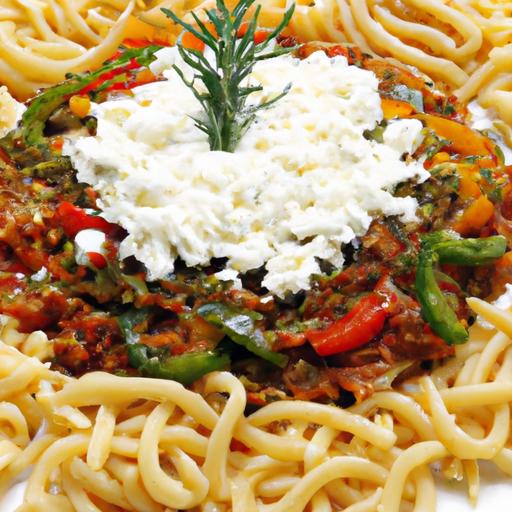

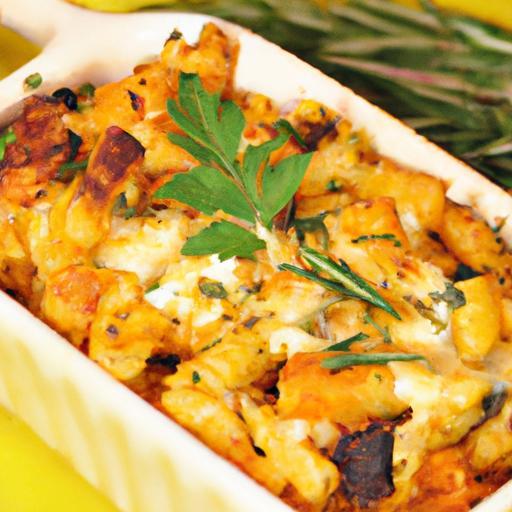
Nestled at the crossroads of Mediterranean charm and hearty comfort, Greek cuisine offers a vibrant tapestry of flavors that beckon the adventurous palate. Among its many culinary treasures, the Greek pasta casserole stands out-a luscious, soul-warming dish that marries the rustic allure of pasta wiht the sun-kissed essence of Mediterranean ingredients. In this guide, we invite you to savor the flavors of Greece like never before, exploring the rich history, key components, and irresistible textures that make Greek pasta casserole a beloved delight. Whether you’re a seasoned foodie or a curious home cook, prepare to embark on a delicious journey that transforms simple ingredients into an unforgettable feast.
Savor the flavors of a classic Greek pasta casserole, a dish steeped in Mediterranean tradition and bursting with wholesome, vibrant ingredients that bring the essence of Greece right to your table. This beloved casserole combines the rustic heartiness of baked pasta with the tangy richness of feta and the earthiness of fresh herbs,creating a comforting yet elegant meal that has been a staple in Greek homes for centuries.
Prep and Cook time
- Readiness: 20 minutes
- Cooking: 40 minutes
- Total: 1 hour
yield
Serves 6 generous portions, perfect for family dinners or entertaining guests.
Difficulty level
Medium – ideal for home cooks with some baking experience, but approachable with step-by-step guidance.
Ingredients
- 12 ounces penne pasta or any short tubular pasta
- 3 tablespoons extra virgin olive oil, plus extra for drizzling
- 1 large onion, finely chopped
- 3 cloves garlic, minced
- 14 ounces canned crushed tomatoes, preferably San Marzano
- 1 cup crumbled feta cheese
- 1 cup grated kefalotyri cheese or Parmesan as a substitute
- 1 teaspoon dried oregano, preferably Greek
- 1 teaspoon ground cinnamon
- 1 tablespoon tomato paste
- 1 cup milk, whole or 2%
- 3 tablespoons all-purpose flour, sifted
- 1 cup vegetable broth
- Salt and freshly ground black pepper, to taste
- Fresh parsley, chopped, for garnish
- 1/4 teaspoon freshly grated nutmeg
- 1 large egg, lightly beaten
Instructions
- Preheat your oven to 350°F (175°C) and grease a 9×13-inch baking dish with olive oil.
- cook the penne pasta in salted boiling water until just al dente, about 2 minutes less then package instructions. Drain and toss with a drizzle of olive oil to prevent sticking. Set aside.
- Heat olive oil in a large skillet over medium heat.Add the chopped onion and sauté until translucent and fragrant,about 5 minutes.
- Add minced garlic and cook for another minute, stirring to avoid burning.
- Stir in the tomato paste, cinnamon, and oregano, cooking for 2 minutes to release their aromas. Then pour in the crushed tomatoes and simmer gently for 10 minutes to thicken the sauce, stirring occasionally.
- In a separate saucepan, melt 3 tablespoons of butter over medium heat.Whisk in the flour and cook for 1-2 minutes to create a roux, stirring constantly to avoid lumps.
- Gradually whisk in the milk and vegetable broth, continuing to stir until the sauce thickens into a creamy bechamel, about 5 minutes. Season with salt, pepper, nutmeg, and half of the kefalotyri cheese.
- Remove from heat and immediately whisk in the beaten egg to enrich the sauce-this will help bind the casserole beautifully.
- Combine the drained pasta with the tomato sauce in a large mixing bowl. Fold in the creamy bechamel sauce gently until everything is well incorporated.
- Transfer half of the pasta mixture into the prepared baking dish. Sprinkle half of the crumbled feta and remaining kefalotyri cheese over the layer.
- Top with the remaining pasta,then sprinkle the rest of the feta cheese evenly on top.
- Drizzle a bit of olive oil over the top to help create a golden crust.
- Bake uncovered for 35-40 minutes or until the casserole is bubbly and the cheese is golden brown on top.
- Rest the casserole for 10 minutes before serving to allow flavors to deepen and set.
Tips for Success
- Cheese Variations: If kefalotyri is unavailable, Parmesan offers a great sharpness. For a creamier texture, add some ricotta in the layering stage.
- Tomato Sauce: Use high-quality canned tomatoes to maintain authenticity and balance the acidity with a pinch of sugar if desired.
- Make-Ahead: Prepare the casserole a day before, then refrigerate uncovered and bake fresh when ready. This allows flavors to meld even more deeply.
- Texture Tip: Avoid overcooking pasta initially to prevent a mushy casserole. Al dente is key.
- Herbs: Fresh oregano or parsley enhances aroma and presentation; add just before serving to preserve their freshness.
Serving Suggestions
Present your Greek pasta casserole adorned with a sprig of fresh parsley or a sprinkle of extra crumbled feta for a pop of colour and savory bite. Serve alongside a simple green salad tossed in lemon vinaigrette or roasted vegetables such as zucchini and eggplant to complement the richness of the casserole. For the perfect beverage pairing, consider a crisp, chilled Assyrtiko white wine, known for its citrus and mineral notes that cut through the creamy textures beautifully.
| Nutrient | Per serving |
|---|---|
| Calories | 420 kcal |
| Protein | 18 g |
| Carbohydrates | 52 g |
| Fat | 14 g |
Discover more Greek culinary delights and deepen your mastery of Mediterranean cooking. For further insight into Greek cheese varieties, visit American Cheese Society.

Q&A
Q&A: Savor the Flavors – A Guide to Greek Pasta Casserole Delight
Q1: What makes Greek pasta casserole different from other pasta bakes?
A1: greek pasta casserole, or pastitsio, stands out for its harmonious blend of Mediterranean spices, creamy béchamel sauce, and robust ground meat seasoned with cinnamon, nutmeg, and oregano. Unlike typical Italian baked pastas, it combines Greek flavors with layers of pasta and rich sauce, creating a comforting yet vibrant dish that offers a taste of the Aegean with every bite.
Q2: Which type of pasta works best in a Greek pasta casserole?
A2: Traditionally,pastitsio uses bucatini or penne pasta because their hollow or tubular shapes hold the luscious meat sauce perfectly. these pasta shapes allow the flavors to meld beautifully and provide a satisfying texture contrast with the creamy topping.
Q3: Can I make a vegetarian version of this casserole?
A3: Absolutely! Swap the ground meat for sautéed mushrooms, lentils, or textured vegetable protein to maintain the hearty texture.Season these alternatives with the classic Greek spices like cinnamon, allspice, and garlic to preserve the authentic essence of the dish.
Q4: What is the secret to the perfect béchamel sauce for Greek pasta casserole?
A4: The magic lies in creating a smooth and velvety béchamel enriched with a touch of nutmeg.Using good-quality butter, fresh milk, and carefully whisking to avoid lumps will give your sauce that luscious, creamy finish that crowns the casserole perfectly.Q5: Are there regional variations to this classic recipe?
A5: Yes! While the core elements remain, some regions add grated kefalotyri cheese into the béchamel or the meat sauce for extra depth, while coastal areas might incorporate fresh herbs such as dill or mint.This adds subtle nuances that reflect the local terroir and Greek culinary creativity.
Q6: How should I serve Greek pasta casserole for an authentic experience?
A6: Serve it warm, fresh from the oven with a side of crisp Greek salad drizzled with olive oil and lemon. Complement it with crusty bread and perhaps a drizzle of extra virgin olive oil on top. This balances the richness of the casserole with freshness and texture.Q7: Can Greek pasta casserole be prepared ahead of time?
A7: Definitely! It’s a great make-ahead meal. Assemble the casserole, cover it tightly, and refrigerate for up to 24 hours. When ready, bake it until bubbly and golden. It’s an excellent option for entertaining or a comforting weeknight dinner.Q8: what herbs and spices are essential to capture the authentic Greek flavor?
A8: Key Greek flavors in this dish come from oregano, cinnamon, nutmeg, garlic, and sometimes allspice. These spices create a warm, aromatic profile that elevates the meat sauce and béchamel, making it unmistakably Greek.
Q9: How can I give a lighter twist to Greek pasta casserole without losing flavor?
A9: Use whole wheat pasta for added fiber and substitute some of the béchamel’s butter with olive oil.Incorporate low-fat milk for the sauce and emphasize fresh herbs and spices for maximum flavor without heaviness. Roasting vegetables like zucchini or eggplant into the layers can also lighten the dish.
Q10: What inspired the creation of Greek pasta casserole originally?
A10: Pastitsio was inspired by a fusion of Mediterranean and European influences, combining Greek spices and ingredients with pasta introduced via trade routes. It reflects the Greek passion for hearty, communal meals that bring families together, with layers symbolizing the richness of culture and tradition.
Key Takeaways
As you close the chapter on this culinary journey through the vibrant world of Greek pasta casserole, let the flavors linger-not just on your palate, but in your kitchen repertoire. This dish, rich with tradition and bursting with Mediterranean zest, invites you to savor every bite and share a slice of Greek heritage with those you love. Whether you’re a seasoned cook or an adventurous foodie, the Greek pasta casserole promises a comforting embrace of taste and culture, turning any meal into a delightful celebration. So, gather your ingredients, ignite your passion for cooking, and let each casserole creation tell its own story of warmth, flavor, and togetherness. Opa to your next delicious adventure!