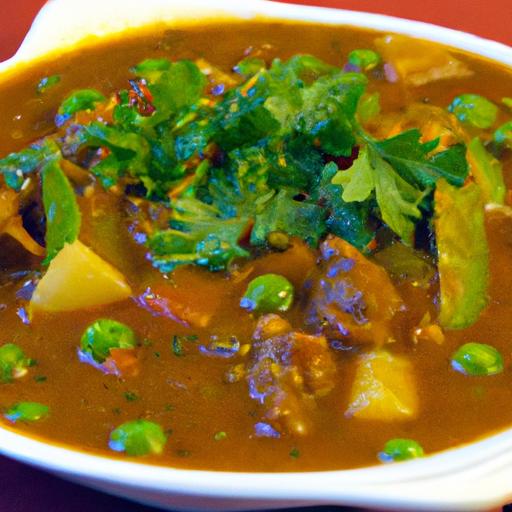

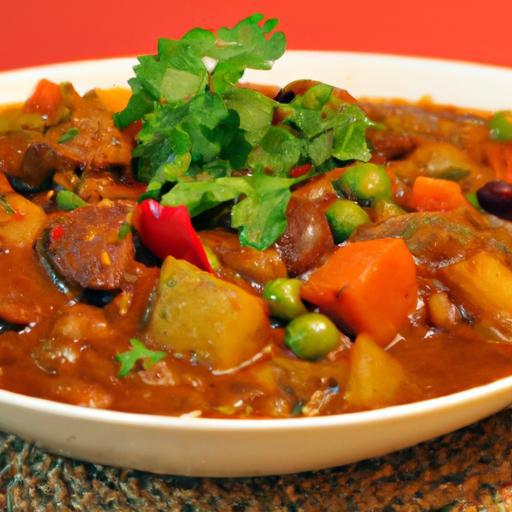
Step into a world where spices dance and aromas weave stories of ancient traditions-welcome to the enchanting realm of Indian cuisine. Among its many culinary treasures, the aromatic indian meat stew stands out as a heartwarming symphony of flavors, slow-cooked to perfection. This dish is more than just a meal; it’s a sensory journey through vibrant spices, tender meats, and rich, fragrant broths that evoke the essence of India’s diverse cultural tapestry. In this article, we invite you to savor the flavors and uncover the secrets behind this tasty stew that has been treasured across generations, inspiring both comfort and festivity at every table.
Savor the flavors of conventional Indian meat stew, where a symphony of spices slowly melds wiht tender cuts of meat to create a dish rich in aroma and depth. Rooted in centuries-old culinary heritage, this stew is more than just comfort food-it’s an immersive journey into the heart of Indian kitchens, where every spice tells a story and slow cooking transforms humble ingredients into an unforgettable experience.
Prep and Cook Time
- Preparation: 30 minutes
- Marination: 1 hour (optional but recommended)
- Cooking: 2 to 3 hours (slow simmering for maximum flavor)
Yield
Serves 6 hearty portions
Difficulty Level
Medium – perfect for home cooks ready to embrace slow cooking techniques and aromatic spice blends
ingredients
- 1.5 lbs lamb shoulder or goat meat, cut into 1.5-inch cubes (bone-in preferred for richness)
- 3 tbsp mustard oil (or vegetable oil for a milder flavor)
- 2 large onions, finely sliced
- 4 cloves garlic, minced
- 2-inch piece ginger, minced
- 3 medium tomatoes, pureed
- 2 green chilies, slit lengthwise
- 1 cup plain yogurt, whisked
- 1 tsp turmeric powder
- 2 tsp coriander powder
- 1 tsp cumin powder
- 1 tsp red chili powder (adjust to taste)
- 1 tbsp garam masala
- 6 black peppercorns
- 3 green cardamom pods
- 1 cinnamon stick (2-inch)
- 2 bay leaves
- Salt to taste
- Fresh coriander leaves for garnish
- 3 cups water or homemade chicken/beef broth
- Juice of half a lemon (optional, to brighten flavors)
Instructions
- Marinate the meat: In a large bowl, combine the meat with yogurt, turmeric, red chili powder, and salt. Mix well, cover, and set aside for at least 1 hour to tenderize and infuse flavor.
- Heat the mustard oil in a heavy-bottomed pot over medium heat until shimmering but not smoking. Add cinnamon stick,bay leaves,peppercorns,and cardamom pods. Sauté for 1 minute to release their fragrance.
- Introduce the sliced onions and cook,stirring frequently,until golden brown and caramelized-about 15 minutes. patience here is key for depth in flavor.
- Add minced garlic, ginger, and green chilies, sautéing for 2-3 minutes until aromatic, careful not to burn the mixture.
- Pour in the pureed tomatoes and cook down, stirring occasionally, until oil begins to separate from the masala-that’s your signal the base is perfectly cooked, roughly 10 minutes.
- Mix in the coriander and cumin powders, then fold in the marinated meat pieces. Increase the heat slightly and brown the meat on all sides for 8-10 minutes, stirring gently to prevent sticking.
- pour in the water or broth, bring it to a boil, then reduce to a low simmer. Cover partially and let the stew cook slowly for 2 to 3 hours,stirring occasionally. this slow cooked method allows the meat to become meltingly tender and the spices to permeate deeply.
- About 15 minutes before finishing, stir in the garam masala and adjust salt as needed. Let the stew rest covered off the heat for 5 minutes to integrate the final aromatics.
- Just before serving, squeeze in lemon juice for a subtle brightness and scatter fresh coriander leaves on top for a burst of color and freshness.
Tips for Success
- Meat choice affects texture and flavor: Opt for cuts like lamb shoulder, goat, or beef chuck which have enough fat and connective tissue to break down beautifully during slow cooking.
- Slow simmering is essential: Resist the urge to rush. Low and slow heat avoids tough, dry meat and enriches the stew with a complex aroma.
- mustard oil adds authenticity: Its pungent, nutty character complements the spices perfectly. Substitute with avocado or sunflower oil if unavailable or for a subtler palette.
- advance prep: This stew tastes even better the next day-perfect for make-ahead meals.
- adjust spice levels: You can reduce or increase chili powder and green chilies based on your heat tolerance.
Serving Suggestions
To maximize the enjoyment of this Indian meat stew, serve piping hot alongside steamed basmati rice or warm, buttery naan bread. A dollop of cooling raita made with cucumber and mint offers a refreshing counterpoint. Garnish with fresh coriander and thinly sliced red onions for crunch. for beverages, a chilled glass of sweet mango lassi or a spiced masala chai provides a harmonious dine-in experience that balances the stew’s robust heat and flavors.

| Nutrient | Per Serving |
|---|---|
| Calories | 410 kcal |
| Protein | 38 g |
| Carbohydrates | 12 g |
| Fat | 22 g |
Explore more authentic indian recipes on our Indian recipe collection to complement your cooking journey.
Q&A
Q&A: Savor the Flavors: Delicious Aromatic Indian Meat Stew
Q1: What makes Indian meat stews uniquely aromatic and flavorful?
A1: Indian meat stews are a symphony of spices and herbs, layered meticulously to create depth and warmth. The use of spices like cumin, coriander, turmeric, garam masala, and fresh ingredients such as ginger, garlic, and fresh cilantro infuses the stew with complex aromas.Slow cooking allows these flavors to meld beautifully, resulting in a rich, hearty dish that awakens the senses.
Q2: Which types of meat are traditionally used in Indian meat stews?
A2: Lamb, goat, chicken, and beef are commonly used meats in Indian stews. Each brings its own character-lamb and goat offer a distinct earthy richness, chicken provides a lighter protein that absorbs spices well, and beef adds a robust depth. The choice of meat often varies by region and personal preference.Q3: How do spices contribute to the health benefits of Indian meat stew?
A3: Many spices used in Indian cooking, such as turmeric, ginger, and cumin, have anti-inflammatory and digestive properties. Turmeric contains curcumin, a powerful antioxidant; ginger aids digestion and soothes the stomach; cumin can boost immunity. Incorporating these spices not only enhances flavor but also adds nutritional benefits.
Q4: What is the secret to achieving tender and melt-in-the-mouth meat in the stew?
A4: Patience is key. Slow-cooking the meat at a low simmer allows collagen and connective tissues to break down gradually, yielding tender, juicy bites. Marinating the meat beforehand with yogurt and spices helps tenderize and infuse flavor deeply. Using a heavy-bottomed pot or slow cooker helps maintain steady heat, perfect for that melt-in-the-mouth texture.
Q5: Can Indian meat stew be prepared ahead of time and still taste amazing?
A5: Absolutely! Actually, Indian stews frequently enough taste better the next day as the spices continue to meld and deepen overnight. Preparing the stew in advance allows the flavors to mature, making the reheated dish even more aromatic and satisfying.
Q6: What accompaniments pair best with Indian meat stew?
A6: Indian meat stew is wonderfully versatile. It pairs beautifully with fluffy basmati rice, warm naan or roti, and cooling side dishes like cucumber raita or fresh salad. These accompaniments balance the stew’s rich and spicy character, creating a harmonious meal.
Q7: How can one adjust the heat level in an Indian meat stew?
A7: Adjusting the amount and type of chili peppers or chili powder controls the heat. For a milder stew, reduce or omit the chilies and focus on aromatic spices like cardamom, cinnamon, and cloves. Adding dairy elements like yogurt or a squeeze of lemon juice can also mellow spiciness while enhancing flavor.
Q8: Are there regional variations of Indian meat stew worth exploring?
A8: Indeed! From the fiery Rogan Josh of Kashmir with its vibrant red hue and succulent lamb, to the coconut-infused Chettinad chicken stew from Tamil Nadu, Indian meat stews vary widely across regions.Each reflects local ingredients, climate, and culinary traditions, inviting food lovers to embark on a flavorful journey across India.
Q9: What cooking techniques elevate the flavors of the stew?
A9: Toasting whole spices before grinding intensifies their aroma. Blooming ground spices in hot oil at the start releases essential oils that amplify taste. Layering ingredients-starting with onions and garlic, followed by meat and liquids-helps build complexity. slow simmering melds all elements into a cohesive, aromatic delight.
Q10: Is it possible to make a hearty Indian meat stew suitable for busy weeknights?
A10: Yes! Using a pressure cooker or instant pot can dramatically reduce cooking time, producing tender, flavorful stews in under an hour. Prepping a spice blend or marinade ahead simplifies the process. With thoughtful preparation, even the most elaborate Indian stew can become a convenient weeknight comfort food.
To Wrap It Up
As the rich aromas of this Indian meat stew linger in your kitchen and on your palate, you’re reminded that cooking is more than just a routine-it’s a journey through culture, history, and flavor. Each simmering pot tells a story of spices carefully balanced and traditions lovingly preserved. whether you’re a seasoned cook or an adventurous novice, savoring this stew offers a delicious invitation to explore the depth and warmth of Indian cuisine. So, gather your ingredients, ignite your stove, and let the symphony of fragrant spices transform your meal into an unforgettable experience. After all, the true essence of this dish lies not only in its taste but in the joy it brings to the table.