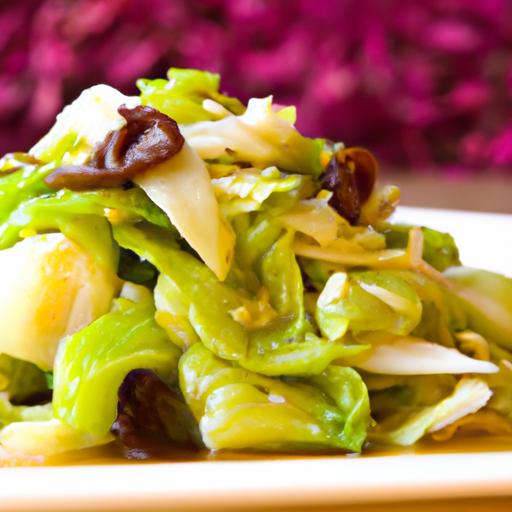

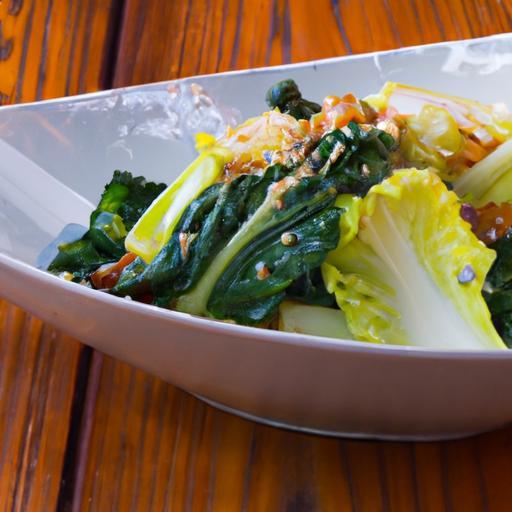
In a world where every bite tells a story, few dishes capture the vibrant essence of asian cuisine quite like a perfectly crafted cabbage stir fry.Bursting with crisp textures, bold flavors, and a harmonious dance of spices, this humble vegetable transforms into a symphony of taste that delights the senses. Whether you’re a seasoned home cook or a curious foodie eager to explore new culinary horizons, mastering the art of Asian cabbage stir fry opens a gateway to endless creativity and nourishment. Join us as we uncover the secrets behind this versatile dish, blending tradition and innovation to savor every flavorful bite.
Asian cabbage stir fry delights awaken the senses with their vivid colors, enticing textures, and layers of robust flavors. whether you’re drawn to the crisp bite of Napa cabbage, the peppery crunch of bok choy, or the tender leaves of Tatsoi, each variety offers a unique twist that transforms an everyday stir fry into an unforgettable festivity of freshness. Inspired by bustling street markets from seoul to Shanghai, this dish marries tradition with vibrant modernity, making it perfect for home cooks craving rapid, healthful, and tasty meals.
Prep and Cook Time
- Preparation: 15 minutes
- Cooking: 8 minutes
- Total: 23 minutes
Yield
- Serves 4 generously
Difficulty Level
- Easy to Medium
Ingredients
- 1 medium head Napa cabbage, chopped into 1-inch pieces
- 2 cups baby bok choy, halved lengthwise
- 1 cup shredded purple cabbage, for color and crunch
- 3 tablespoons vegetable or peanut oil
- 4 cloves garlic, minced
- 1-inch piece ginger, peeled and julienned
- 1 small red chili, thinly sliced (optional, for heat)
- 3 tablespoons soy sauce, low sodium preferred
- 1 tablespoon oyster sauce (vegetarian versions available)
- 1 teaspoon toasted sesame oil
- 1 tablespoon rice vinegar
- 1 teaspoon brown sugar
- 2 scallions, sliced thinly on the bias
- 1 tablespoon toasted sesame seeds, for garnish
- Fresh cilantro sprigs, for garnish
Instructions
- Prepare all vegetables: Rinse Napa cabbage, baby bok choy, and purple cabbage thoroughly. Chop Napa into 1-inch pieces, halve bok choy lengthwise, and shred purple cabbage finely for a vibrant contrast.
- Mix the sauce: In a small bowl, whisk together soy sauce, oyster sauce, toasted sesame oil, rice vinegar, and brown sugar until smooth. Set aside to mingle flavors.
- Heat your wok or large skillet over medium-high heat until hot. Add vegetable oil, swirling to coat.
- Sauté aromatics: Toss in minced garlic,julienned ginger,and sliced red chili. Stir-fry for 30 seconds to release their fragrances-avoid burning.
- Add the cabbages: Start with Napa and purple cabbage first, stir-frying for 3 minutes until they begin to soften but remain crisp-tender. Add bok choy last and cook for an additional 2-3 minutes, tossing constantly.
- Pour in the sauce: Drizzle evenly over the vegetables. Stir continuously for 1-2 minutes, allowing the sauce to glaze the cabbage evenly without making it soggy.
- Final touches: Remove from heat and toss in sliced scallions. Adjust seasoning with a pinch of salt or a splash of soy sauce if necessary.
- Plate and garnish: Transfer promptly to a warmed dish. sprinkle toasted sesame seeds and fresh cilantro over the top for a burst of color and texture.
tips for Success
- Choose fresh, vibrant cabbage: Look for firm leaves with no browning or wilted edges to maximize crispness.
- Control your heat: High heat is essential for a quick sear that seals in flavors yet keeps the cabbage crisp-tender.
- Don’t crowd the pan: Cook in batches if necessary to avoid steaming your ingredients.
- customize your sauces: Substitute oyster sauce with mushroom-based or hoisin sauce for vegetarian options without compromising depth.
- Make-ahead: Prep vegetables the day before for an easy cooking day, but stir fry just before serving for best texture.
Serving Suggestions
Present your stir fry as a colorful centerpiece alongside steamed jasmine or brown rice. For added texture, sprinkle crushed roasted peanuts or cashews on top. complement with a side of pickled carrots and daikon or a fresh cucumber salad for a cool contrast.
This dish shines when paired with crispy tofu cubes or succulent grilled chicken breast for a balanced meal. Garnish with extra fresh herbs like Thai basil or mint to elevate the aroma and complement the bold Asian cabbage stir fry delights.
| Nutrient | Per Serving |
|---|---|
| Calories | 130 |
| Protein | 4g |
| Carbohydrates | 15g |
| Fat | 7g |

For more inspiration on healthy, vibrant vegetable dishes, check out our collection of vibrant vegetable stir fries. Expand your culinary knowledge with Nutrition.Org.UK for authoritative tips on incorporating more fresh produce into your diet.
Q&A
Savor the Flavors: Mastering Asian Cabbage Stir Fry Delights - Q&A
Q1: what makes cabbage an ideal vegetable for Asian stir fry dishes?
A1: Cabbage is a superstar in Asian stir fry for several reasons. Its sturdy leaves hold up well to high heat, providing a delightful crunch and absorbing flavors beautifully. The vegetable’s mild sweetness balances savory sauces, creating a harmonious taste profile, while its versatility allows it to pair seamlessly with a variety of proteins and aromatics.
Q2: How do I prepare cabbage to ensure the best texture in a stir fry?
A2: To achieve that perfect tender-crisp texture, slice the cabbage thinly and uniformly. Avoid overcrowding the wok or pan, as this causes steaming rather then frying. Stir fry over high heat and toss continuously-cabbage cooks quickly and should remain vibrant and slightly crunchy to provide that signature bite.
Q3: What are some essential flavor enhancers in Asian cabbage stir fry recipes?
A3: Aromatics like garlic,ginger,and scallions are foundational,infusing the dish with warmth and depth. A splash of soy sauce or tamari adds umami; a touch of toasted sesame oil imparts a nutty aroma. For a hint of freshness, incorporate rice vinegar or a sprinkle of chili flakes to awaken your palate.
Q4: Can I create a vegetarian or vegan Asian cabbage stir fry that’s equally delicious?
A4: Absolutely! simply use plant-based proteins such as tofu,tempeh,or shiitake mushrooms. add crunchy water chestnuts or snap peas for texture. The key is to build layers of flavor with aromatic seasonings and sauces, ensuring the dish is hearty and satisfying without animal products.
Q5: what cooking tools and techniques help perfect an Asian cabbage stir fry?
A5: A wok is the customary go-to due to its broad, sloping sides allowing food to cook evenly at high heat. However, a large skillet works beautifully too. The technique revolves around quick, high-heat cooking with constant stirring or tossing to sear the ingredients evenly without overcooking, preserving freshness and crunch.
Q6: How can I customize my cabbage stir fry to suit different taste preferences?
A6: The beauty of cabbage stir fry lies in its adaptability. For a sweeter profile, add a drizzle of hoisin sauce or a sprinkle of brown sugar. For heat lovers, fresh chili slices or chili paste make a bold statement. Experiment with different herbs like cilantro or Thai basil to showcase varied regional Asian influences.
Q7: Are ther any complementary side dishes that pair well with Asian cabbage stir fry?
A7: Yes! Steamed jasmine or basmati rice is a classic foundation. For more texture, pair with crunchy spring rolls or lightly pickled vegetables to contrast the softness of the stir fry. A bowl of miso soup or simple clear broth can round out the meal with comforting warmth.
Q8: What are some common mistakes to avoid when making cabbage stir fry?
A8: Overcrowding the pan is a frequent pitfall; it traps steam and results in soggy cabbage instead of crisp, caramelized edges. Another is cutting cabbage unevenly-larger pieces cook slower and disrupt timing. Lastly, under-seasoning can dull the dish, so don’t shy away from tasting and adjusting your sauces as you cook.
Q9: How can I make my cabbage stir fry visually appealing?
A9: Use a mix of green and purple cabbage for color contrast. Garnish with toasted sesame seeds, sliced scallions, or chopped cilantro for freshness. Adding colorful veggies like julienned carrots, bell peppers, or snow peas not only brightens the plate but also enhances nutritional value.
Q10: What’s a simple sauce recipe to get started with Asian cabbage stir fry?
A10: Whisk together 2 tablespoons soy sauce, 1 teaspoon toasted sesame oil, 1 tablespoon rice vinegar, a pinch of sugar, and a teaspoon of grated ginger.This balanced blend offers salty, tangy, slightly sweet, and aromatic notes-perfect as a base. Adjust ingredients to taste, and toss with cabbage just before finishing cooking for maximum flavor impact.
Concluding Remarks
As the final sizzle settles and the vibrant aromas linger in your kitchen, mastering the art of Asian cabbage stir fry reveals more than just a quick meal-it opens a gateway to a world of bold flavors, textures, and culinary traditions. With each chop and toss, you craft not only a dish but an experience that celebrates simplicity and sophistication in perfect harmony. So, whether you’re a seasoned cook or an adventurous foodie, let these savory delights inspire your next stir fry masterpiece, turning everyday ingredients into unusual bites that satisfy both palate and soul. Here’s to savoring every bite and mastering the flavorful dance of Asian cabbage stir fry!