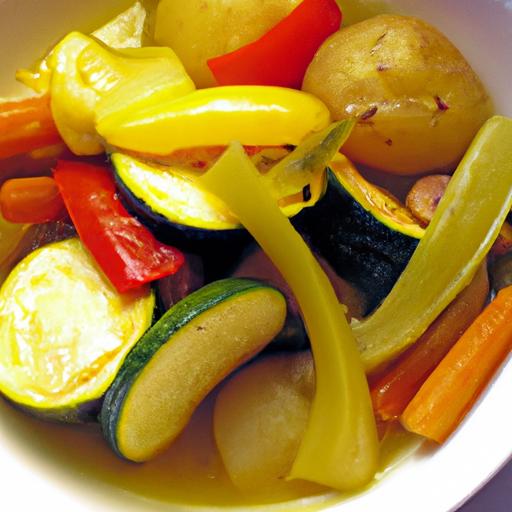

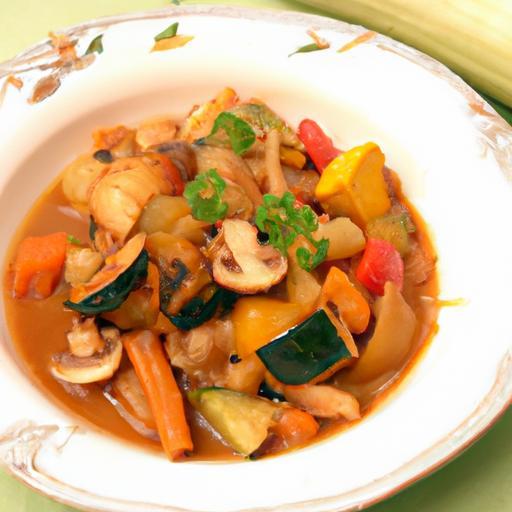
In the heart of the sun-drenched south of France lies a culinary treasure that captures the essence of its landscape and culture: the traditional Provençal vegetable stew. More than just a dish, this vibrant medley of fresh, sun-ripened vegetables and fragrant herbs tells a story of rustic simplicity and timeless flavors. As you savor each bite, you’re transported to bustling markets and lavender-scented fields, where the rhythm of life is slow and the ingredients speak for themselves. Join us on a flavorful journey to uncover the secrets behind this iconic stew, celebrating the heritage and soul of Provence in every spoonful.
Exploring the Aromatic Herbs That Transform Ratatouille
Savor the flavors of traditional Provençal vegetable stew begins with the unmistakable, fragrant herbs that elevate ratatouille from simple vegetables to a symphony of Provençal taste. The heart of this dish lies in the lavish use of fresh aromatic herbs such as thyme, rosemary, bay leaves, and the quintessential herbes de Provence blend. These herbs infuse the stew with complex layers of earthiness and floral brightness, perfectly complementing the natural sweetness of slow-cooked vegetables.
In Provence, these herbs are readily harvested from sunbaked gardens and wild fields, delivering a crisp, fresh aroma that dried herbs often cannot replicate. For best results, use fresh sprigs tied in a bouquet garni or add dried herbes de Provence cautiously to avoid overpowering the delicate balance of flavors. The gentle, slow simmering of these herbs allows the oils to mingle deeply with the olive oil and vegetables, creating a luscious, aromatic broth that defines the soul of this classic stew.
Choosing the Freshest Seasonal Vegetables for Authentic Flavor
Nothing captures the essence of traditional Provençal vegetable stew like the careful selection of peak-season produce.Freshness is paramount: vibrant zucchini, ripe eggplants, plump bell peppers, sun-kissed tomatoes, and sweet onions create a colorful canvas for a perfectly balanced medley.
Seek vegetables that are firm to the touch, unblemished, and bursting with natural color. Early morning visits to local farmers’ markets or your own garden’s harvest are ideal for sourcing the best ingredients that bring forward the richest flavors. Choosing seasonal vegetables means capturing the genuine taste of Provence as intended-each bite an ode to Mediterranean sunshine and soil.
Tips for Perfectly Balancing Texture and Spice in Your Stew
The charm of a traditional Provençal vegetable stew lies in its harmonious interplay of textures and gentle layers of seasoning. To maintain this balance, it’s critical to treat each vegetable with care during the cooking process. Start by sautéing eggplants and zucchinis separately to avoid excess moisture and preserve their distinct textures-this step prevents the stew from becoming soggy and enhances its rustic visual appeal.
When it comes to spice, simplicity is key. Use a pinch of freshly ground black pepper and a subtle hint of crushed red pepper flakes onyl if you desire a slight warmth. Over-spicing can undermine the delicate herbal flavors and the natural sweetness of the vegetables.
Slow, even simmering melds the textures, allowing tender vegetables to retain some firmness while soaking up the fragrant herb-infused broth. Stir occasionally, ensuring all elements soften evenly. In the final stages, adjust seasoning with sea salt and fresh herbs to refresh and brighten the dish.
Prep and cook Time
- Planning: 25 minutes
- Cooking: 50 minutes
- Total Time: 1 hour 15 minutes
Yield
Serves 6 generously as a main or side dish
Difficulty Level
Medium – Ideal for those comfortable with chopping and multitasking on the stovetop
Ingredients
- 2 medium eggplants, diced into 1-inch cubes
- 3 medium zucchini, sliced into thick rounds
- 3 large ripe tomatoes, peeled and chopped
- 2 red bell peppers, seeded and diced
- 2 yellow onions, finely chopped
- 4 garlic cloves, minced
- 1/4 cup extra virgin olive oil
- 1 tablespoon fresh thyme leaves
- 1 sprig fresh rosemary
- 2 bay leaves
- 1 teaspoon herbes de Provence
- Salt and freshly ground black pepper, to taste
- Pinch of crushed red pepper flakes (optional)
- Fresh basil leaves for garnish
Instructions
- Prepare the vegetables: Rinse and pat dry all vegetables. Dice eggplants and zucchini separately, then salt eggplants lightly and place them in a colander for 20 minutes to draw out bitterness. Rinse and pat dry before cooking.
- Sauté the eggplants: Heat 2 tablespoons olive oil in a large pan over medium heat. Add eggplant cubes and sauté until golden brown, about 6-8 minutes, stirring occasionally to avoid sticking.Remove and set aside.
- sauté the zucchini: In the same pan, add another tablespoon of olive oil. Add sliced zucchini and sauté until just tender and lightly browned, about 5 minutes. Remove and set aside with the eggplants.
- Cook the aromatics: Add the remaining olive oil to the pan. Stir in onions and garlic, cooking gently until translucent and fragrant, about 5 minutes.
- Add bell peppers and tomatoes: incorporate diced bell peppers and peeled tomatoes. Stir to combine and cook down for 8-10 minutes, allowing the tomatoes to release their juices.
- Return eggplants and zucchini: Return the sautéed vegetables to the pan. add thyme leaves, rosemary sprig, bay leaves, and herbes de Provence. Mix well.
- Simmer gently: Cover the pan partially and let simmer over low heat for 25-30 minutes. Stir occasionally to prevent sticking and to meld flavors evenly.
- Season & finish: Remove rosemary sprig and bay leaves.Taste and season with salt, pepper, and optional red pepper flakes. Finish by stirring in fresh basil leaves just before serving.
Chef’s Notes
- For a lighter version, roast the vegetables separately on a baking tray with olive oil and herbs before combining to intensify flavor and texture.
- Substitute fresh herbs with a high-quality herbes de Provence mix if fresh herbs are unavailable, adjusting quantities to taste.
- this stew keeps beautifully refrigerated for up to 4 days and tastes even better the next day as flavors deepen.
- Use ripe, meaty tomatoes in season for the richest broth, or canned San Marzano tomatoes as a pantry-friendly substitute.
- Add a splash of good quality balsamic vinegar at the end of cooking to lend subtle sweetness and acidity, enhancing complexity.
Serving Suggestions
This traditional Provençal vegetable stew shines as a comforting main dish served with crusty French bread or toasted baguette slices to mop up the luscious juices. Complement with a fresh green salad tossed in a light mustard vinaigrette or pair alongside a fluffy polenta for a hearty meal. garnish generously with torn fresh basil and a drizzle of extra virgin olive oil to highlight the vibrant colors and inviting aromas.

| Nutrient | Per serving |
|---|---|
| Calories | 190 |
| protein | 4 g |
| Carbohydrates | 22 g |
| Fat | 11 g |
Discover more inspiring Mediterranean vegetable recipes in our Mediterranean vegetable recipes collection. For deeper insight into the herbs of Provence,explore the detailed guide at herbes de Provence Official.
Q&A
Q&A: Savor the Flavors of traditional Provençal Vegetable Stew
Q1: What makes Provençal vegetable stew a staple of Mediterranean cuisine?
A1: Provençal vegetable stew, often known as Ratatouille, is a vibrant celebration of the Mediterranean’s bounty. This humble yet hearty dish highlights fresh, sun-ripened vegetables seasoned with fragrant herbs and olive oil, creating a symphony of flavors that reflect the region’s warm climate and rich agricultural heritage.Q2: Which vegetables are quintessential in a traditional Provençal stew?
A2: The classic lineup includes eggplant, zucchini, bell peppers, tomatoes, onions, and garlic. Each vegetable adds its unique texture and taste, contributing to a colorful and nutritious medley. These ingredients harmonize perfectly when slow-cooked, allowing their flavors to meld into a rich, comforting stew.
Q3: How do the herbs influence the stew’s flavor profile?
A3: Fresh herbs such as thyme, rosemary, oregano, and bay leaves are the aromatic backbone of this stew. They infuse the vegetables with subtle earthy and piney notes, evoking the wild landscapes of Provence. A sprinkle of chopped fresh basil or parsley just before serving brightens the dish with a fresh, green vibrancy.
Q4: Is the traditional preparation method time-consuming?
A4: While this stew benefits from patience to coax out maximum flavor, it doesn’t require complex techniques. Typically, vegetables are sautéed separately to preserve their distinct textures and colors, then combined and simmered gently. This slow approach melds flavors beautifully,making it a rewarding cooking experience.
Q5: can Provençal vegetable stew be adapted for different meals or seasons?
A5: Absolutely! This versatile stew shines as a main dish, a savory side, or even a topping for crusty bread or polenta. Its foundation on seasonal vegetables means it can evolve with the harvest-early summer zucchini and tomatoes give way to late-season peppers and eggplants, ensuring a fresh, garden-inspired dish all year round.
Q6: What culinary traditions does Provençal vegetable stew embody?
A6: This stew captures the essence of “cuisine du marché” – cooking that honors fresh local produce. It also exemplifies the Mediterranean ideology of simple, honest ingredients cooked with care. The resulting dish is not just food; it’s a warm invitation to experience provençal culture and its deep connection to the land.
Q7: How can home cooks enhance the stew’s natural flavors?
A7: Using ripe, high-quality vegetables is key. Cooking over medium heat with good-quality olive oil helps caramelize the ingredients gently,unlocking deeper sweetness and complexity. Layering flavors by adding herbs at different stages of cooking-from bay leaves in the simmer to fresh basil at the end-heightens the sensory journey.
Q8: What makes Provençal vegetable stew a healthy choice?
A8: Rich in fiber, vitamins, and antioxidants, this stew is a nutritious feast for the body and soul. Its reliance on plant-based ingredients and olive oil aligns perfectly with heart-healthy Mediterranean eating patterns. It is indeed naturally gluten-free, vegetarian, and perfect for those seeking wholesome, balanced meals without fuss.
Q9: Can you suggest a simple way to serve Provençal vegetable stew for a casual gathering?
A9: Serve the stew warm in rustic bowls alongside crusty baguette slices or polenta cakes. Garnish with a scattering of fresh herbs and a drizzle of extra virgin olive oil. This approachable presentation invites guests to savor every spoonful while enjoying the laid-back spirit of Provence.
Q10: Where can one learn more about Provençal cooking traditions?
A10: Exploring Provençal markets, cookbooks dedicated to Mediterranean fare, or even regional cooking classes can deepen your gratitude. Many resources emphasize seasonal cooking and the past interplay between land, climate, and cuisine, offering rich inspiration for culinary adventures beyond the stew itself.
Closing Remarks
As the fragrant aroma of Provencal herbs fades and the last spoonful of hearty vegetable stew warms your soul, you’ll find that this dish is more than just a meal-it’s a celebration of the Mediterranean’s vibrant bounty and timeless culinary traditions. Savoring a bowl of traditional Provençal vegetable stew is to taste the very essence of southern France: sun-drenched fields, rustic simplicity, and a harmony of flavors that dance on the palate. Whether shared around a lively kitchen table or enjoyed quietly on a sunlit terrace,this stew invites you to slow down,appreciate nature’s gifts,and connect with a rich cultural heritage that has delighted generations. So next time you crave comfort and authenticity, let Provençal vegetable stew transport you to the heart of Provence-one spoonful at a time.