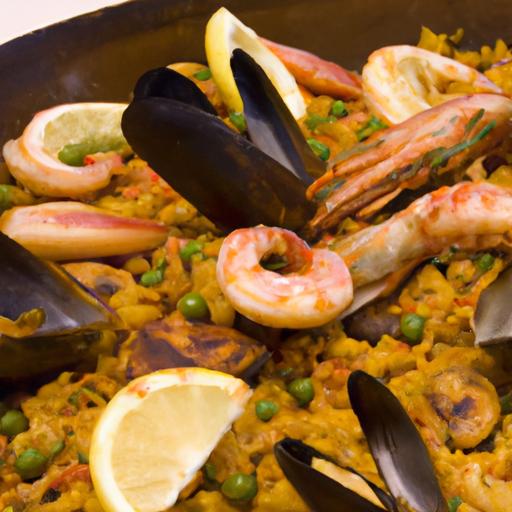

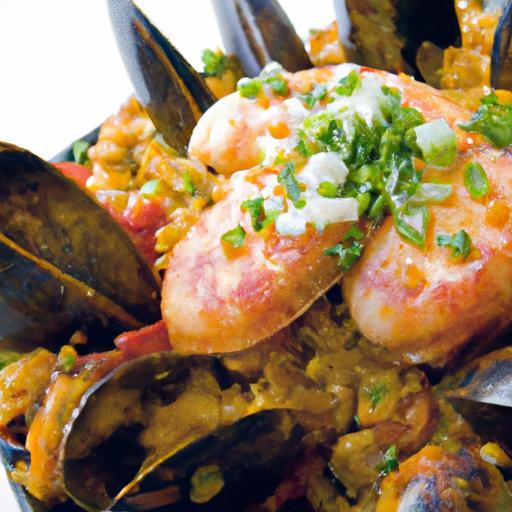
In the heart of Spain’s sun-drenched coastlines, where the sea kisses golden shores, a culinary masterpiece simmers gently in wide, shallow pans-paella. More than just a dish,seafood paella is a vibrant tapestry of flavors,colors,and traditions woven together with masterful artistry.Each grain of saffron-infused rice, each succulent shellfish, and each fragrant herb tells a story of heritage and innovation. Join us as we dive deep into the art of seafood paella, uncovering the secrets behind its irresistible allure and exploring how this iconic dish continues to captivate palates around the world.
savor the Flavors: The Art of Seafood Paella Uncovered invites you on a culinary journey to the vibrant coasts of Spain where every grain of rice and morsel of seafood tells a story. This iconic dish, rooted in Valencia’s rich coastal heritage, combines aromatic saffron, the freshest catches of the sea, and a precise mastery over rice’s texture-a harmony of flavors that captivates the senses and brings friends and family together at the table.
Prep and Cook Time
- Preparation: 20 minutes
- Cooking: 45 minutes
- Total Time: 1 hour 5 minutes
Yield
Serves 6 generous portions
Difficulty Level
medium - perfect for adventurous home cooks seeking to master conventional spanish cuisine
Ingredients
- 2 cups bomba or calasparra rice (short-grain Spanish rice)
- 4 cups homemade or low-sodium seafood stock, kept warm
- 1/2 teaspoon powdered saffron strands, soaked in 2 tbsp warm water
- 1 lb fresh mussels, scrubbed and debearded
- 1/2 lb large shrimp, peeled and deveined
- 1/2 lb fresh squid rings
- 1 medium ripe tomato, grated
- 1 small red bell pepper, julienned
- 1 cup frozen peas, thawed
- 4 cloves garlic, minced
- 1 small onion, finely chopped
- 1/4 cup good quality extra virgin olive oil
- 1 teaspoon smoked paprika
- Salt to taste
- Fresh lemon wedges for garnish
- Fresh parsley, finely chopped, for garnish
Instructions
- Prepare the base: Heat olive oil in a large paella pan or wide skillet over medium heat. Add the chopped onion and sauté until translucent, about 5 minutes. Stir in minced garlic and julienned red bell pepper; cook another 3 minutes until fragrant.
- Add tomato and spices: Stir in the grated tomato and smoked paprika. Cook down until the mixture thickens and deepens in color, about 6-7 minutes. This forms your sofrito, the flavour foundation of the dish.
- Incorporate the rice: Pour in the rice, stirring it for 2 minutes so each grain becomes coated in the sofrito. This step helps develop nuttiness and prevents sticky clumps.
- Pour in saffron stock: Slowly add the warm seafood stock infused with saffron and its soaking water. Taste and add salt sparingly. Bring the liquid to a gentle boil.
- Simmer without stirring: Reduce heat to medium-low. Let the rice cook uncovered for 15 minutes, resisting the urge to stir-this allows the coveted crust (socarrat) to form at the bottom.
- Add seafood and peas: Gently nestle shrimp, squid rings, and mussels into the rice. Scatter peas over the top.Continue cooking for another 10-12 minutes until rice is tender and shellfish open fully. Discard any unopened mussels.
- Rest and garnish: remove from heat and cover loosely with foil. Let the paella rest for 5 minutes. Sprinkle with fresh parsley and arrange lemon wedges around the pan for squeezing at the table.
Tips for Success
- Rice selection matters: Use authentic bomba or calasparra rice for optimal absorption without mushiness.
- Stock is key: Homemade seafood stock elevates flavor; simmer shells with aromatics or use a trusted brand free from artificial additives.
- Don’t stir: Paella’s charm is the socarrat, a crispy rice crust formed by settled heat-avoiding stirring is essential.
- Fresh seafood always: Choose firm, glistening seafood bearing the ocean’s freshness for that unforgettable taste.
- Make ahead: Prep the sofrito and stock a day early to streamline cooking day and deepen flavors.
Pairing Wine and Sides to Elevate the Paella Experience
To amplify the culinary magic, complement your seafood paella with a crisp, aromatic white wine such as Rías Baixas Albariño or a dry Verdejo from Spain’s rueda region. Their bright acidity cuts through the richness while underlining the sea’s briny essence. Keep sides light and refreshing-consider piquant marinated olives, a chilled gazpacho, or a simple mixed green salad with a citrus vinaigrette to balance the robust dish.
serving Suggestions
Serve directly from the pan for a communal experience that encourages sharing. Highlight the golden saffron rice studded with vibrant red peppers and jewel-like peas. Garnish generously with fresh lemon wedges and chopped parsley to add brightness and color contrast. Offer handheld napkins and a bowl for shells to keep the table tidy.

| Nutrient | Per Serving |
|---|---|
| Calories | 420 kcal |
| Protein | 35g |
| Carbohydrates | 45g |
| Fat | 10g |
delight in the timeless art of seafood paella,a dish that not only nourishes but also celebrates Spain’s deep connection to the sea and land. For an in-depth look at Spanish cuisine techniques, visit The Spruce Eats – Paella Guide.
Also, explore other authentic Mediterranean rice dishes in our Mediterranean Rice Series for more culinary inspiration.
Q&A
Q&A: Savor the Flavors – The Art of Seafood Paella Uncovered
Q1: What makes seafood paella distinct from other types of paella?
A1: Seafood paella celebrates the ocean’s bounty,blending vibrant saffron-infused rice with the briny sweetness of shrimp,mussels,clams,and sometimes squid or lobster. Unlike meat-based paellas, it emphasizes a lighter, fresher profile, where the sea flavors meld seamlessly with aromatic spices and smoky hints from the traditional cooking method.
Q2: How vital is the choice of rice for making an authentic seafood paella?
A2: The rice is the heart of any paella. Short-grain varieties like Bomba or Calasparra are prized as they absorb rich seafood broth without becoming mushy.Their ability to soak up intense flavors while maintaining texture ensures each grain delivers the right balance of tenderness and bite.
Q3: Can you explain the role of the sofrito in seafood paella?
A3: Sofrito is the flavorful base made from sautéed tomatoes, garlic, onions, and sometimes bell peppers. It infuses the dish with sweetness and depth,anchoring the bright saffron and sea notes with a savory foundation. Without a good sofrito, the paella wouldn’t achieve its signature complexity.
Q4: What is the secret behind achieving the perfect socarrat in seafood paella?
A4: Socarrat is the prized crispy crust formed at the bottom of the paella pan. Attaining it requires patience, even heat, and precise timing. As the rice cooks and the liquid evaporates, the bottom layer lightly caramelizes, delivering a smoky crunch that contrasts beautifully with the tender, juicy toppers.
Q5: How do fresh seafood ingredients impact the final flavor?
A5: Freshness is key. The brinier and sweeter the seafood, the more vibrant the paella’s flavor palette. Fresh shellfish release natural juices that enrich the cooking broth, making every bite a party of the sea. Using frozen or pre-cooked ingredients can dilute the purity and intensity that define a great seafood paella.
Q6: Are there regional variations in seafood paella across Spain?
A6: Absolutely! In coastal regions like Valencia and Catalonia, the emphasis may shift-from the types of seafood used to subtle seasoning tweaks. Some coastal versions incorporate locally harvested shellfish or even fish heads for broth,each imparting unique nuances while staying true to the dish’s essence.
Q7: How does the cooking vessel influence the paella’s character?
A7: The wide, shallow paella pan is designed to maximize surface area, encouraging even cooking and that all-critically importent socarrat formation. Traditionally made from carbon steel, it heats quickly and distributes heat uniformly, allowing each ingredient to shine and the rice to cook flawlessly.
Q8: What tips can home cooks follow to replicate authentic seafood paella?
A8: Start with quality ingredients and invest in a good paella pan. Don’t rush the sofrito or the cooking process-building layers of flavor takes time. Use homemade seafood broth if possible, season carefully, and finish with a sprinkle of fresh parsley and a wedge of lemon to brighten the plate.
Q9: How does saffron affect the flavor and appearance of seafood paella?
A9: Saffron is the golden thread weaving through the dish-its earthy, floral aroma adds subtle warmth, while its vibrant yellow hue turns the rice into a feast for the eyes. Even a pinch elevates the paella from a simple rice dish to an iconic Spanish masterpiece.
Q10: can seafood paella be adapted for different occasions or dietary preferences?
A10: Yes! while staying true to its seafood roots, paella is versatile. It can be cooked indoors or outdoors, served family-style for festive gatherings or plated elegantly for intimate dinners. For dietary preferences, you might explore plant-forward broths or emphasize certain shellfish while keeping the balance of textures and flavors intact.
To Conclude
As the final grains of saffron-infused rice settle and the aroma of fresh seafood lingers, the art of paella reveals itself not just in its ingredients, but in its celebration of tradition, community, and patience. To savor seafood paella is to taste the essence of coastal culture-a harmonious blend of land and sea, history and innovation.Whether enjoyed in a bustling Spanish plaza or recreated in your kitchen, this vibrant dish invites you to slow down, share stories, and relish every flavorful bite. So next time you gather around a paella pan, remember: you’re partaking in a culinary masterpiece that is as much about connection as it is about cuisine.