
In the vibrant world of global cuisine,few flavors have made a bolder entrance than the fiery,sweet,and umami-packed punch of gochujang. Once a staple condiment tucked away in Korean kitchens, gochujang-the rich, red chili paste-is now taking center stage, transforming ordinary meals into exceptional taste adventures. Leading this flavorful revolution is the rise of gochujang noodles, a dynamic dish that melds tradition with trendy, satisfying slurpability. Join us as we explore how this spicy sensation is captivating palates everywhere, turning simple bowls of noodles into a crave-worthy culinary experience that’s impossible to resist.
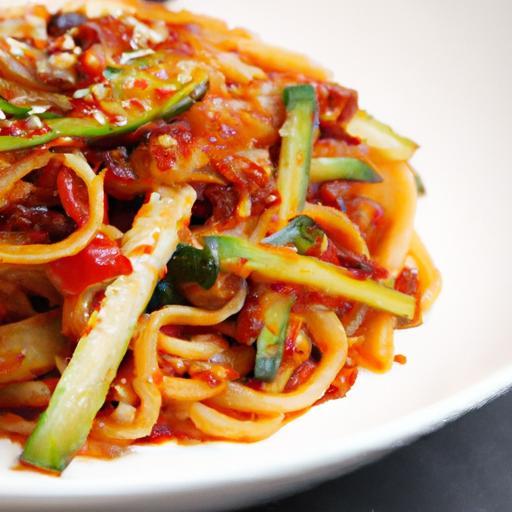
Spice Up Your Meal: The Rise of Gochujang Noodles brings the bold, savory heat of Korea’s beloved fermented chili paste into your home kitchen, transforming a simple bowl of noodles into an unforgettable culinary experience. This dish perfectly balances fiery sweetness and umami depth, inspiring food lovers worldwide to add gochujang as a pantry essential. It’s a vibrant, approachable recipe that welcomes both beginners and seasoned cooks to master gung-ho flavors with ease.
Prep and Cook Time
- Prep Time: 15 minutes
- Cook Time: 20 minutes
- Total Time: 35 minutes
Yield
Serves 4 hearty portions
Difficulty Level
Medium - Ideal for those comfortable with basic cooking techniques yet eager to explore bold Asian flavors.
Ingredients
- 8 oz (225g) fresh or dried wheat noodles (udon,ramen,or soba work well)
- 3 tablespoons gochujang (Korean chili paste)
- 2 tablespoons soy sauce (low sodium preferred)
- 1 tablespoon toasted sesame oil
- 1 tablespoon honey or maple syrup
- 3 garlic cloves,minced
- 1 teaspoon freshly grated ginger
- 1 cup shredded napa cabbage
- 1 medium carrot,julienned
- 1 small red bell pepper,thinly sliced
- 3 green onions,sliced thinly
- 1 tablespoon vegetable oil (canola or grapeseed)
- 1 tablespoon toasted sesame seeds (for garnish)
- Optional protein: soft-boiled egg,firm tofu cubes,or cooked chicken breast strips
Instructions
- Cook the noodles according to package directions until just al dente. Drain and rinse under cold water to stop cooking and prevent sticking. Set aside.
- Prepare the sauce: In a small bowl, whisk together gochujang, soy sauce, honey (or maple syrup), and toasted sesame oil until smooth and fragrant.
- Heat vegetable oil in a large skillet or wok over medium-high heat. Add minced garlic and grated ginger, sautéing for about 30 seconds until aromatic.
- add sliced red bell pepper, shredded napa cabbage, and julienned carrot. Stir-fry for 3-4 minutes until vegetables are just tender yet still crisp.
- Toss the cooked noodles into the skillet with the vegetables. Pour the gochujang sauce mixture over and toss well to evenly coat all ingredients.
- Sauté everything together for 2-3 minutes, stirring constantly to ensure the noodles absorb the sauce and flavors deepen.
- Remove from heat and gently fold in sliced green onions for a fresh burst.
- Plate the noodles into bowls or on plates. Garnish generously with toasted sesame seeds and your choice of optional protein like a halved soft-boiled egg or golden-brown tofu cubes.
Tips for Success
- Adjust the heat: For a milder dish, reduce the gochujang to 2 tablespoons and add a splash of coconut milk to mellow the spice.
- Make it vegan: Skip animal proteins and double tofu or add crunchy roasted chickpeas for texture.
- Prep ahead: Chop all vegetables and mix the sauce in advance; stir-fry fresh just before serving to maintain vibrant textures.
- noodle tips: Fresh noodles offer a tender bite, but dried noodles are convenient and just as delicious once cooked properly and rinsed.
- Balance sweetness: Honey offsets gochujang’s fermented tang-feel free to tweak according to your personal palate.
Serving Suggestions
Serve your gochujang noodles steaming hot with a side of crisp,tangy kimchi to cut through the richness. Garnish plates with fresh cilantro,thinly sliced radish,or an extra sprinkle of toasted sesame seeds for added crunch.For an elevated experience,pair with a light cucumber salad or steamed edamame dressed in chili-lime salt.
| Nutrient | Per Serving |
|---|---|
| Calories | 380 kcal |
| Protein | 12 g |
| Carbohydrates | 58 g |
| Fat | 9 g |

Discover more spicy noodle inspirations in our Korean Noodle Recipes Collection and deepen your culinary skills. For more insight into the rich history and health benefits of gochujang,visit the Korean Bapsang blog, an authority on conventional Korean cuisine.
Q&A
Q&A: Spice Up Your Meal: The Rise of Gochujang Noodles
Q1: what exactly is gochujang, and why is it perfect for noodles?
A: Gochujang is a vibrant Korean chili paste made from red chili powder, fermented soybeans, glutinous rice, and a touch of sweetness. Its harmonious blend of spicy, savory, and slightly sweet flavors makes it a powerhouse for noodles, adding depth and a bold kick that transforms a simple dish into an unforgettable experience.Q2: How did gochujang noodles become so popular outside of Korea?
A: The global curiosity for authentic yet accessible flavors has skyrocketed in recent years. Social media food trends and the rise of Korean cuisine on the world stage have introduced millions to gochujang’s addictive complexity. Noodles, being a beloved and versatile staple worldwide, naturally became the perfect canvas for gochujang’s exciting flavor.
Q3: Can anyone cook gochujang noodles at home, or is it a dish for experienced chefs?
A: Absolutely! One of the charms of gochujang noodles is their simplicity. With just a few fresh ingredients-your favourite type of noodles, gochujang paste, garlic, and some veggies-you can whip up a vibrant, restaurant-quality meal in under 30 minutes.It’s a great way for home cooks of all skill levels to experiment with bold Korean flavors.
Q4: What kinds of noodles work best with gochujang?
A: Gochujang is incredibly versatile and pairs wonderfully with many noodle types. Classic wheat-based noodles like udon or ramen hold up beautifully to the thick sauce, while thinner noodles, such as soba or even rice noodles, absorb the flavors beautifully. The key is to choose noodles that complement the sauce’s texture and balance the heat.
Q5: How can gochujang noodles be customized for different taste preferences?
A: The beauty of gochujang noodles lies in their adaptability. Craving more heat? Add extra chili flakes or a dash of sesame oil for smoky nuance. prefer milder flavors? Balance the spice with a drizzle of honey or coconut milk. Toss in crunchy vegetables like carrots,cucumbers,or sprouts for freshness,or elevate it with a soft-boiled egg for creamy richness.
Q6: Are gochujang noodles nutritious or mostly just flavor bombs?
A: While gochujang noodles delight your taste buds, they can also nourish your body. Gochujang itself contains fermented ingredients which are beneficial for gut health. Pairing noodles with a variety of vegetables and protein-rich options like tofu, chicken, or seafood creates a satisfying, balanced meal full of vitamins, fiber, and essential nutrients.Q7: What cultural significance does gochujang hold in Korean cuisine?
A: Gochujang is more than a condiment-it’s a cornerstone of Korean culinary tradition, dating back hundreds of years. It embodies the korean philosophy of balanced flavors and communal eating. using it in noodles fuses centuries of tradition with modern culinary creativity, making every bite a celebration of Korean heritage.
Q8: How can restaurants innovate with gochujang noodles to keep the dish fresh and exciting?
A: Chefs are pushing boundaries by blending gochujang with unexpected ingredients-think gochujang-infused sauces paired with smoked mushrooms, or crispy tofu for texture contrast. Fusion creations mixing gochujang noodles with global flavors, such as Mediterranean herbs or Southeast Asian spices, are redefining the dish and delighting adventurous palates worldwide.
Spice lovers and food explorers alike are embracing gochujang noodles-a dish that invites creativity, warmth, and a little adventure into the kitchen. Ready to stir up your next meal? Gochujang noodles might just be the fiery twist you’ve been craving!
To Wrap It Up
As the bold, savory heat of gochujang continues to capture taste buds worldwide, its conversion into noodle dishes marks an exciting chapter in culinary creativity.From humble Korean roots to global tables, gochujang noodles offer a perfect marriage of spice, sweetness, and umami that invigorates any meal. Whether you’re a spice enthusiast or a curious foodie, embracing gochujang noodles invites you to explore flavors that are as dynamic as they are delicious. So next time you crave a meal with a punch, let gochujang noodles lead the way-because sometimes, the simplest dishes tell the most vibrant stories.