
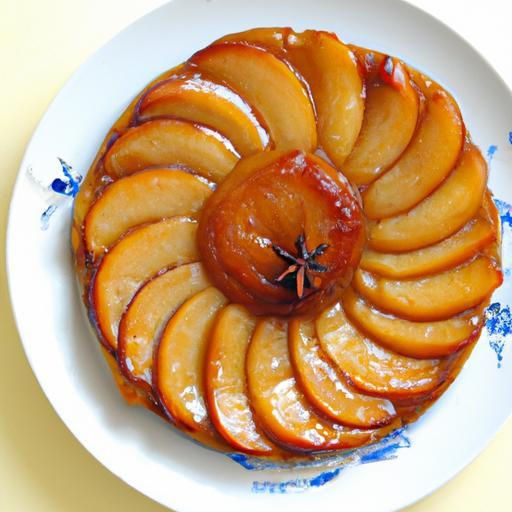
There’s a certain magic in turning things upside down-especially when it involves a dessert as enchanting as the tarte Tatin. This quintessentially French creation transforms humble apples into a caramelized, golden spectacle, all cloaked beneath a tender, buttery crust. But beyond it’s luscious layers lies a story as rich and unexpected as its flavor: a tale of serendipity, culinary ingenuity, and timeless charm. In this article, we’ll uncover the sweet secret of tarte Tatin, exploring how this upside-down masterpiece rose from a fortunate accident to become a beloved symbol of indulgence and tradition. Prepare to delve into the flavorful history and irresistible allure of a tart that defies convention-and delights the senses with every bite.
Origins and Evolution of the Tarte Tatin Tradition
Tarte Tatin has long captured the imaginations of bakers and dessert lovers alike with its charming upside-down presentation and luscious caramelized apples. this dessert’s roots trace back to the late 19th century in the Loire Valley of France, where the Tatin sisters, Stéphanie and Caroline, famously transformed a kitchen mishap into a timeless classic. Legend tells of Stéphanie accidentally caramelizing apples too long before covering them with pastry and baking them,flipping it out of the pan to reveal a golden,glossy masterpiece. Over time, the Tarte Tatin evolved beyond rustic rusticity, gaining new expressions with varied apples and refined techniques in caramelization that perfect its buttery crust and tender fruit.
The beauty of Tarte Tatin lies in its simplicity paired with the magic of caramelization – turning humble ingredients into a symphony of flavors and textures. This culinary icon continues to inspire creativity, from professional kitchens to home bakers seeking a slice of French tradition with a modern flair.
Mastering the Art of Caramelization for Perfect Texture
Caramelization is the heart of a perfectly textured Tarte Tatin. Achieving that ideal amber glaze on the apples demands careful heat control and patience. Begin by melting granulated sugar into a golden syrup in a heavy-bottomed, ovenproof skillet – a crucial step to prevent burning and bitter undertones. Adding a knob of unsalted butter enriches the caramel, creating a luscious coating that crisps the fruit’s exterior while sealing in juiciness.
As you arrange the apple halves snugly in the caramel,their natural sugars will continue to amplify the sweetness during baking. Monitor the caramel closely; it can shift from golden to burnt within seconds. Remember, the apples will soften gently in the oven’s warmth, absorbing caramel’s richness without losing their body. The result is a harmony of textures: tender apple flesh with a glossy, slightly crisp caramel shell.
Choosing the Ideal Apples to Elevate Your Tarte Tatin
Your choice of apples fundamentally shapes the flavor and texture of this dessert. For Tarte Tatin, select apples that hold their shape well while offering a balance of sweetness and tartness to contrast the buttery caramel. Classic varieties like Golden Delicious and Granny Smith are perfect companions – the first for its honeyed sweetness and smooth texture, the latter for its radiant acidity and firmness. Combining these creates a layered flavor profile and textural contrast.
Other excellent options include Braeburn and Pink Lady, which bring subtle floral notes and a slight crispness after baking. Avoid overly soft or mealy apples such as Red Delicious, as they tend to break down too much and become mushy. Peeling your apples uniformly ensures even cooking and an elegant presentation beneath the caramel glaze.
Essential Tips for Baking and Serving with Flair
Successfully baking Tarte Tatin demands a few simple yet crucial considerations. First, preheat your oven thoroughly to create an even environment that allows the pastry to rise and crisp without sogginess. Use a high-quality, cold butter-based puff or shortcrust pastry to complement the sweetness and provide a flaky contrast.
After assembling, bake until the crust is golden and the caramel bubbles around the edges. Once out of the oven, allow the tart to rest briefly – this ensures the caramel firms slightly, easing the inversion onto a serving dish without spills. Running a thin knife around the pan’s perimeter before flipping prevents sticking and reveals the glossy, jewel-like apple mosaic.
For an elevated experience, serve Tarte Tatin warm with a dollop of softly whipped cream or a scoop of vanilla bean ice cream.A light sprinkle of freshly chopped mint or a dusting of powdered sugar adds a touch of color and freshness. preserve the rustic elegance by cutting in wedges that showcase the lovely caramel shine and flaky crust.
Prep and Cook Time
- Preparation: 20 minutes
- Cooking: 35 minutes
- Total Time: 55 minutes
Yield
serves 6 generous portions
Difficulty Level
Intermediate – requires attention to timing and technique but is accessible with clear steps
Ingredients
- 6 medium apples (preferably a mix of Golden Delicious and Granny Smith),peeled,cored and halved
- 1 cup granulated sugar
- 4 tablespoons unsalted butter,cut into cubes
- 1 sheet puff pastry or shortcrust pastry,thawed if frozen
- 1 teaspoon vanilla extract (optional,for aroma)
- 1 tablespoon freshly squeezed lemon juice
- Butter or oil for greasing the pan
Instructions
- Preheat your oven to 190°C (375°F). Generously butter a 9-inch ovenproof skillet or tart pan to prevent sticking.
- In the skillet, sprinkle the granulated sugar evenly over the bottom. Place it over medium heat and allow the sugar to melt slowly, without stirring. Swirl the pan gently until the sugar reaches a deep amber color, approximately 8-10 minutes. Watch closely to avoid burning.
- Remove the skillet from heat and immediately add the butter cubes. Stir gently with a wooden spoon until smooth and fully incorporated.
- Toss the apple halves with lemon juice and vanilla extract. Arrange them tightly, rounded side down, in the caramel, fitting them snugly as they will shrink slightly while cooking.
- Return the skillet to medium heat and cook for 8-10 minutes, basting the apples occasionally with caramel using a spoon to deepen the glaze and color.
- Trim the pastry sheet to about 1 inch larger than the pan diameter.Carefully drape the pastry over the apples, tucking the edges between the fruit and pan walls.
- Prick the pastry dough lightly with a fork to allow steam to escape and bake in the preheated oven for 25-30 minutes until the pastry is puffed and golden brown.
- Remove from the oven and let rest for 5-7 minutes to set the caramel.
- Place a wide serving plate upside down over the skillet, then using oven mitts, invert the tart onto the plate.Lift the skillet off gently to reveal the glossy, caramel-coated apples.
- Serve warm with cream or ice cream and garnish as desired.
Chef’s Notes and Tips for Success
- For the best results, use a heavy-bottomed skillet to ensure even caramelization and to prevent hot spots.
- Keep your eyes on the sugar as it caramelizes; a minute too long can turn it bitter.
- Feel free to mix apple varieties to balance sweetness and tartness, enhancing complexity.
- Make ahead: You can prepare the caramel and apples a day in advance, refrigerate, and assemble with the pastry just before baking.
- If the caramel hardens before baking, gently warm the skillet over low heat to re-liquefy.
Serving Suggestions
Present your Tarte Tatin with a rustic flair: accompany it with a scoop of creamy vanilla bean ice cream or a dollop of softly whipped Chantilly cream. Add a subtle sprinkle of powdered sugar for elegance or a handful of toasted almonds for texture contrast. fresh mint leaves or a few edible flowers can bring a pop of color that visually elevates the presentation. Pair with a cup of rich coffee or lightly spiced chai for a cozy afternoon treat.
| Nutrient | Per Serving (1 slice) |
|---|---|
| Calories | 340 |
| protein | 2g |
| Carbohydrates | 48g |
| Fat | 15g |
Learn more about traditional techniques for a flawless caramel in your Tarte Tatin from Serious Eats.
For a twist on classic French desserts, explore our article on Classic French Pastries Guide and expand your patisserie skills.

Q&A
Q&A: Tarte Tatin – The Sweet Secret of Upside-Down Charm
Q1: What exactly is a Tarte Tatin?
A1: Tarte Tatin is a classic French dessert that turns the conventional tart on its head-literally! It’s an upside-down caramelized fruit tart, traditionally made with apples, where the fruit is cooked in butter and sugar before being baked beneath a pastry crust. When flipped out of the pan, its golden, glossy caramel surface dazzles with sweet, buttery goodness.
Q2: How did the Tarte Tatin get its name?
A2: The tart is named after the Tatin sisters, Stéphanie and Caroline, who ran a hotel in the loire Valley in the late 19th century. Legend has it that Stéphanie accidentally baked the tart upside down, and the delightful mishap became an iconic recipe, forever linked to their name.
Q3: Why is the Tarte Tatin considered “upside-down”?
A3: Unlike traditional tarts where the pastry forms the base and the fruit is arranged on top, Tarte Tatin starts with cooking the fruit in a caramelized sugar-and-butter base, then topping it with pastry. After baking, the entire tart is inverted, revealing a luscious caramel-coated fruit crown atop a crisp crust.
Q4: Is Tarte Tatin always made with apples?
A4: While classic tarte Tatin moast famously stars apples-firm, slightly tart varieties like Granny Smith or Golden Delicious-creative twists use pears, quinces, peaches, or even tropical fruits like pineapple. The key is choosing fruits that hold up well to cooking and caramelization.Q5: What makes the caramel in Tarte Tatin so special?
A5: The caramel is the heart and soul of the tart-it’s crafted by melting sugar until it reaches a rich amber hue, then enriched with butter for silkiness. When the fruit caramelizes in this buttery sugar, it develops deep, complex flavors that marry perfectly with the buttery pastry.
Q6: Can homemade Tarte Tatin be tricky to prepare?
A6: It can be a little adventurous! Balancing caramelization without burning, ensuring the fruit is tender but not mushy, and flipping the hot tart out of the pan require care and confidence. But these challenges make the prosperous unveiling all the sweeter-and the process very rewarding.
Q7: What kind of pastry is best for Tarte Tatin?
A7: A firm but tender pastry, such as pâte brisée (shortcrust), is ideal. It should be sturdy enough to hold the caramel and fruit without becoming soggy,yet tender enough to offer a satisfying contrast to the luscious topping.
Q8: How is Tarte Tatin best served to highlight its charm?
A8: Warm from the oven or slightly cooled, Tarte Tatin shines true. Its warm caramel and fruit flavors offer comforting sweetness, especially when paired with a dollop of crème fraîche, lightly whipped cream, or a scoop of vanilla bean ice cream-each adding creamy balance without overshadowing the tart’s rich character.
Q9: Is Tarte Tatin just a dessert, or can it be enjoyed in other ways?
A9: While most famous as a dessert, the technique inspires savory twists-though that’s a story for another day! The original Tarte Tatin remains a shining symbol of French culinary ingenuity-a sweet surprise born from the upside-down.
Q10: Why does Tarte Tatin continue to captivate food lovers worldwide?
A10: Its magic lies in simplicity elevated through technique-a humble combination of fruit, sugar, butter, and pastry that transforms into a caramel-kissed masterpiece.Each slice tells a story of happy accidents, luscious textures, and timeless flavor that continues to enchant generations.
to sum up
As the final caramelized slice of Tarte Tatin melts on your tongue, you’re reminded that this upside-down delight is more than just a dessert-it’s a timeless tale of sweet serendipity and French finesse. From a serendipitous kitchen mishap to a celebrated classic, the Tarte Tatin invites us to embrace the unexpected and savor the beauty found in simple, caramel-kissed layers. So next time you ponder a dessert that marries rustic charm with elegant flavor, remember the sweet secret of the upside-down: sometimes, turning things on their head reveals the most delicious surprises.