
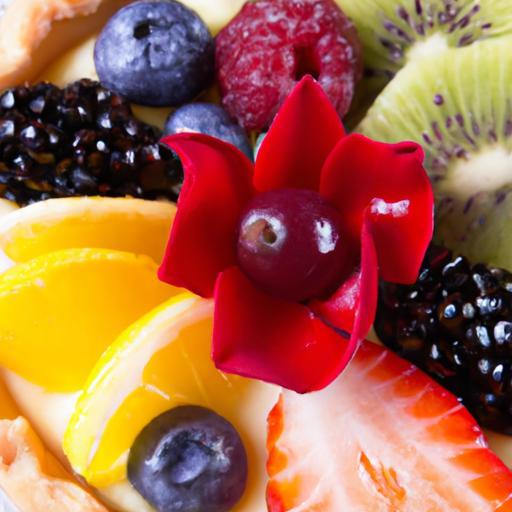
There is something undeniably enchanting about the humble fruit tart – a pastry that transcends mere dessert to become a vibrant celebration of flavor, texture, and artistry. In “The Art of Fruit Tarts: A Flavorful Symphony of Flavors,” we embark on a sensory journey that explores how crisp, buttery crusts cradle velvety custards and burst with the freshness of sun-kissed fruits. This delicate balance, achieved through skillful technique and an eye for color and composition, transforms each tart into a masterpiece that delights both the palate and the eyes. Join us as we uncover the secrets behind crafting thes luscious confections, where every bite tells a story of nature’s bounty harmonized with culinary finesse.
Fruit tarts are a celebration of nature’s candy, a delicious symphony of flavors that marry luminous, tangy, and sweet notes in every bite. Crafting the perfect tart means understanding how to select ripe, vibrant fruits, layer them over a buttery, flaky crust, and balance flavors for a harmonious dessert experience. This journey not only delights the palate but also awakens the senses with visual brilliance and texture mastery.
Prep and Cook time
- Preparation: 30 minutes
- Chilling & Baking: 45 minutes
- Decorating: 15 minutes
- Total Time: 1 hour 30 minutes
Yield
Serves 8 elegantly sized slices
Difficulty Level
medium – ideal for enthusiastic bakers ready to explore texture and flavor contrasts
Ingredients
- 1 1/4 cups all-purpose flour, sifted
- 1/2 cup unsalted butter, chilled and cubed
- 1/4 cup powdered sugar
- 1 large egg yolk
- 1-2 tablespoons cold water
- 1/2 cup pastry cream or vanilla custard
- 2 cups fresh mixed fruits: strawberries (hulled and sliced), blueberries, kiwi slices, raspberries, and Mandarin orange segments
- 2 tablespoons apricot jam, warmed (for glazing)
- Optional: fresh mint leaves for garnish
Instructions
- Prepare the Tart Crust: in a large mixing bowl, combine the sifted flour and powdered sugar. Add chilled, cubed butter and use a pastry blender or your fingertips to work the butter into the flour until the mixture resembles coarse crumbs.
- Incorporate the Egg Yolk: Add the egg yolk and 1 tablespoon cold water. Mix gently until the dough starts to come together. Add the remaining water, a teaspoon at a time, if the dough feels too dry. Avoid overworking the dough to keep it tender.
- Chill: shape the dough into a disc, wrap it tightly in plastic wrap, and refrigerate for at least 30 minutes. This rest period helps relax the gluten and firms up the butter, essential for a flaky crust.
- roll and Blind Bake: on a lightly floured surface, roll the dough into a 12-inch circle and transfer it to a 9-inch tart pan with a removable bottom. Trim the edges neatly. Line the crust with parchment paper and fill with pie weights or dried beans. Bake at 350°F (175°C) for 15 minutes.
- Remove Weights and Finish Baking: Carefully remove parchment and weights, then bake for another 10-12 minutes until the crust is golden and cooked through. Cool wholly.
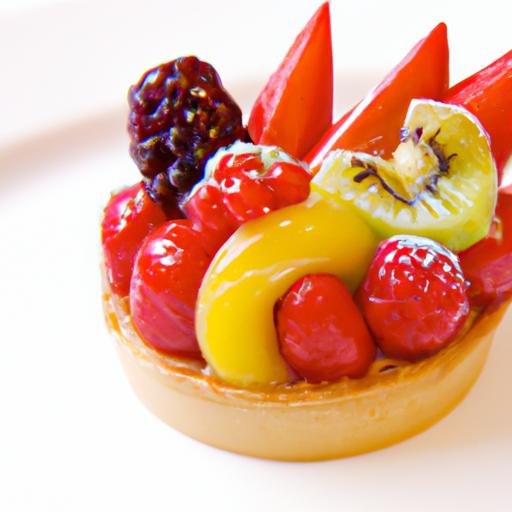
- Fill and Arrange Fruits: Spread the pastry cream evenly over the cooled crust. Artistically arrange the prepared fresh fruits in concentric circles or an eye-catching mosaic pattern, mixing colors and shapes for dynamic contrast.
- Glaze: Lightly brush the fruits with warmed apricot jam to add shine and preserve freshness.Refrigerate for 10 minutes to set the glaze.
- Garnish: Finish with delicate mint leaves or edible flowers to enhance the visual appeal and add a fresh herbal note.
Tips for Success
- Fruit Selection: Choose a mix of textures-firm berries,juicy citrus,and mellow kiwi-to create a balanced bite. Look for fruits that are ripe but still hold their shape well.
- Flaky crust Mastery: Keep butter cold and avoid overmixing. Cold water should be added sparingly. Rest your dough well in the fridge to perfect the texture.
- Glazing: Warmed apricot jam seals in moisture and adds a brilliant sheen,helping maintain freshness. For a vegan option, use a light maple syrup glaze.
- Make ahead: The crust and pastry cream can be prepared a day in advance. Assemble the tart just before serving to keep fruit vibrant.
- Flavor Pairings: lemon zest in the crust or a hint of cardamom in the pastry cream can elevate the flavor profile subtly.
Serving Suggestions
Serve chilled or at room temperature with a dollop of fresh whipped cream or a scoop of vanilla bean ice cream. Present slices on simple white plates to make the fruit colors pop. Garnish with an edible flower or a mint sprig for an elegant touch. Pair with a light floral tea or a crisp sparkling wine for an elevated experience.
| Nutrient | Per Serving |
|---|---|
| Calories | 320 kcal |
| Protein | 5 g |
| Carbohydrates | 42 g |
| Fat | 14 g |
Learn more about creating flawless tart crusts and for enriching your baking skills.
For in-depth fruit ripening and storage tips, check out this authoritative guide on fruit selection.

Q&A
Q&A: The Art of Fruit Tarts - A Delicious Symphony of Flavors
Q1: What makes a fruit tart more than just a simple dessert?
A1: A fruit tart is a masterful blend of art and gastronomy. It’s not merely about slapping some fruit atop a crust; it’s a harmonious composition where each element-crispy pastry, luscious cream, and vibrant fruit-plays a vital role. Like a symphony, every flavor and texture must balance perfectly to create a delightful experience for the palate and the eyes.
Q2: How important is the tart crust in the overall flavor profile?
A2: The crust is the foundation of any fruit tart masterpiece. Frequently enough buttery, flaky, or crumbly, it offers a textural contrast that elevates the sweetness and juiciness of the fruit. A well-made crust has subtle hints of vanilla or almond and is never overpowering, allowing the fruit’s natural flavors to shine while delivering a satisfying crunch.
Q3: What types of creams or fillings are traditionally used in fruit tarts?
A3: Classic fruit tarts frequently enough feature pastry cream-a silky, mildly sweet custard that adds richness without overwhelming the fruit. Other popular fillings include lemon curd for a zesty punch, mascarpone for a creamy depth, or whipped cream for lightness. Each filling complements different fruits and adds its own layer to the flavor symphony.
Q4: How does one select the perfect fruits for a tart?
A4: The ideal fruits for a tart are fresh, ripe, and vibrant in color. Seasonal varieties such as strawberries, blueberries, kiwis, apricots, and peaches not only pop visually but also provide a medley of sweet, tangy, and sometimes tart notes. The key is variety and balance-mixing sweet fruits with a hint of tartness to engage the taste buds fully.
Q5: Are there artistic techniques that enhance a fruit tart’s visual appeal?
A5: Absolutely! The art of fruit tart decoration is akin to painting on a canvas. Arranging fruit slices in concentric circles, layering colors for contrast, or creating floral patterns with berries can turn a simple tart into a masterpiece. Glazing the fruit with apricot jam or honey adds a glossy finish that makes the tart irresistible.
Q6: Can fruit tarts be adapted for dietary preferences like vegan or gluten-free?
A6: Certainly! vegan tart shells can be crafted with plant-based butters or coconut oil, and fillings can be made from coconut cream or cashew-based custards. Gluten-free flours such as almond or oat flour substitute perfectly for traditional pastry. This adaptability ensures that everyone can enjoy the delicious symphony of fruit tarts.
Q7: What is the best way to serve and store a fruit tart?
A7: Fruit tarts are best served fresh to preserve the crispness of the crust and the vibrancy of the fruit. If stored, keep them refrigerated in an airtight container for up to two days to prevent sogginess.For the full sensory experience, serve slightly chilled, allowing the flavors to meld beautifully on the tongue.
Q8: Why has the fruit tart endured as a beloved dessert through the ages?
A8: Fruit tarts remain timeless because they marry simplicity with sophistication. They celebrate natural ingredients, seasonal bounty, and culinary craftsmanship.the interplay of textures and flavors creates a joyous eating experience that appeals to both casual bakers and gourmet connoisseurs alike-truly a delicious symphony worth savoring.
In Summary
the art of fruit tarts is much more than a mere recipe-it is a harmonious blend of textures, colors, and flavors that dances on the palate like a carefully composed symphony. Each element, from the crisp buttery crust to the luscious custard and vibrant fruits, plays its part in crafting a dessert that is as visually stunning as it is delectably satisfying. Whether you’re a seasoned baker or a curious beginner, embracing this delicate balance invites you into a world where creativity meets culinary tradition. So next time you slice into a fruit tart, take a moment to savor not just the taste, but the artistry behind every bite-a sweet celebration of nature’s bounty and human ingenuity intertwined.